


Father Koch: Constant prayer is needed for a faithful life
October 17, 2025 at 3:48 p.m.
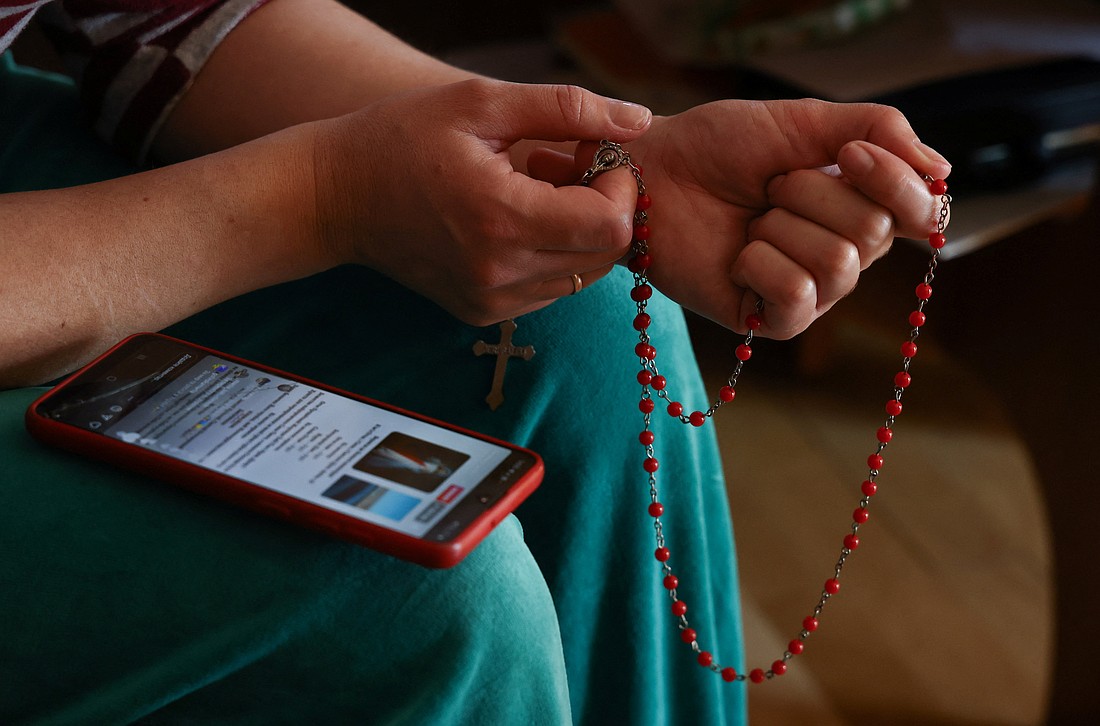
Gospel reflection for Oct. 19, 2025, 29th Sunday in Ordinary Time
When we think of the disciples of Jesus we all too often pigeonhole them as just uneducated fishermen or tradesmen that Jesus found along the way and got to follow him. We generally do not think about their interior lives, their observance of their shared Jewish faith, and what it was that originally drew them to Jesus. We have a sense that some of them -- certainly Simon Peter, Andrew, James and John -- were familiar with the ministry of John the Baptizer and they may have actually followed John for a period before they encountered Jesus.
They were attracted to Jesus because of his teaching and his interpretation of what it meant to live a faithful Jewish life in accordance with the Mosaic Law in the Greco-Roman world. The vast majority of those who followed Jesus were of the over 90% of the Jews who were neither Pharisee, Sadducee, Zealot or Essene.
When we think of the teaching of Jesus, we often focus on him teaching his disciples how to be disciples, the importance of loving their neighbor, and caring for the poor, the sick, and those who are unable to care for themselves. However, Jesus also instructed his disciples about their relationship with the father and their own practice of prayer and fasting. What we often overlook as we read the Gospels is that It is the disciples themselves who usually initiate this discussion. Jesus taught his disciples the prayer we call the Pater Noster when his disciples asked him to teach them how to pray as the Baptizer had taught his disciples.
Jesus was also a model of prayer for his disciples. We frequently read that Jesus went off alone to pray. We see Jesus praying publicly as he blesses the few loaves and fish presented to him to feed thousands of people who had assembled to hear him. Chapter 17 in the John’s Gospel is a prayer of Jesus for his disciples.
Following a series of sayings on the coming of the Kingdom of God and the revelation of the Son of Man, Jesus turned his attention to his disciples and taught them about the need to pray. He warned them about the upheaval that will come with the end of time, and why they need to be prepared for that day. Here he told them the parable of the Widow and the Unjust Judge. Seeking justice from a judge who had no mind for God, compassion for the destitute, and certainly not for this widow, he finally relented because she kept after him to settle her case in her favor. She wore him down and he became weary, so he ruled in her favor.
Isolated or occasional prayer in itself is insufficient. Such prayer does not reflect a desire to have a relationship with God, but rather to use God to achieve our own personal needs or ends. Prayer is the outpouring of oneself to God in a relationship which is forged and nurtured over time and through the good and bad times of our lives.
Therefore, Jesus instructed his disciples about the necessity of persistence in prayer. We are told to “pray always,” and can feel overwhelmed by that admonition. St. Benedict teaches that to "pray always" means integrating prayer into every aspect of life, transforming daily activities into moments of connection with God through a holy rhythm of regular prayer and work. This "pray without ceasing" is achieved by keeping the heart focused on God, seeking His will in all circumstances, and recognizing His presence even in ordinary, mundane tasks, making prayer a constant attitude which finds its focus in concentrated moments of prayer and meditation.
We are challenged to develop a constant habit of prayer in our lives.
This admonition to constant prayer, though, also comes with an admonition from Jesus to not merely babble in prayer hoping to penetrate the heart of God. We do not recite vain repetitions hoping to be heard, or perhaps to drown out the prayers of others.
We pray -- we open our hearts to God -- knowing that he hears our innermost desires and responds to us in his time and in his way. Prayer is the dialogue wherein we learn to conform our desires and our wills to that of the Father. St. Teresa of Avila teaches us that prayer is most fruitful when we recognize that it is a dialogue of love.
Prayer is not always easy. It takes work. As all of the relationships in our lives require intentionality, work, perseverance, and love, so much more so does our relationship with God. Jesus taught his disciples that if an unjust judge who cares nothing about justice or people, can respond with justice to the plight of a poor yet persistent widow, imagine how much more a loving and just God responds to the needs of those who are persistent in their desire to love him.
Father Garry Koch is pastor of St. Benedict Parish, Holmdel.
Related Stories
Sunday, December 28, 2025



E-Editions

Events
Gospel reflection for Oct. 19, 2025, 29th Sunday in Ordinary Time
When we think of the disciples of Jesus we all too often pigeonhole them as just uneducated fishermen or tradesmen that Jesus found along the way and got to follow him. We generally do not think about their interior lives, their observance of their shared Jewish faith, and what it was that originally drew them to Jesus. We have a sense that some of them -- certainly Simon Peter, Andrew, James and John -- were familiar with the ministry of John the Baptizer and they may have actually followed John for a period before they encountered Jesus.
They were attracted to Jesus because of his teaching and his interpretation of what it meant to live a faithful Jewish life in accordance with the Mosaic Law in the Greco-Roman world. The vast majority of those who followed Jesus were of the over 90% of the Jews who were neither Pharisee, Sadducee, Zealot or Essene.
When we think of the teaching of Jesus, we often focus on him teaching his disciples how to be disciples, the importance of loving their neighbor, and caring for the poor, the sick, and those who are unable to care for themselves. However, Jesus also instructed his disciples about their relationship with the father and their own practice of prayer and fasting. What we often overlook as we read the Gospels is that It is the disciples themselves who usually initiate this discussion. Jesus taught his disciples the prayer we call the Pater Noster when his disciples asked him to teach them how to pray as the Baptizer had taught his disciples.
Jesus was also a model of prayer for his disciples. We frequently read that Jesus went off alone to pray. We see Jesus praying publicly as he blesses the few loaves and fish presented to him to feed thousands of people who had assembled to hear him. Chapter 17 in the John’s Gospel is a prayer of Jesus for his disciples.
Following a series of sayings on the coming of the Kingdom of God and the revelation of the Son of Man, Jesus turned his attention to his disciples and taught them about the need to pray. He warned them about the upheaval that will come with the end of time, and why they need to be prepared for that day. Here he told them the parable of the Widow and the Unjust Judge. Seeking justice from a judge who had no mind for God, compassion for the destitute, and certainly not for this widow, he finally relented because she kept after him to settle her case in her favor. She wore him down and he became weary, so he ruled in her favor.
Isolated or occasional prayer in itself is insufficient. Such prayer does not reflect a desire to have a relationship with God, but rather to use God to achieve our own personal needs or ends. Prayer is the outpouring of oneself to God in a relationship which is forged and nurtured over time and through the good and bad times of our lives.
Therefore, Jesus instructed his disciples about the necessity of persistence in prayer. We are told to “pray always,” and can feel overwhelmed by that admonition. St. Benedict teaches that to "pray always" means integrating prayer into every aspect of life, transforming daily activities into moments of connection with God through a holy rhythm of regular prayer and work. This "pray without ceasing" is achieved by keeping the heart focused on God, seeking His will in all circumstances, and recognizing His presence even in ordinary, mundane tasks, making prayer a constant attitude which finds its focus in concentrated moments of prayer and meditation.
We are challenged to develop a constant habit of prayer in our lives.
This admonition to constant prayer, though, also comes with an admonition from Jesus to not merely babble in prayer hoping to penetrate the heart of God. We do not recite vain repetitions hoping to be heard, or perhaps to drown out the prayers of others.
We pray -- we open our hearts to God -- knowing that he hears our innermost desires and responds to us in his time and in his way. Prayer is the dialogue wherein we learn to conform our desires and our wills to that of the Father. St. Teresa of Avila teaches us that prayer is most fruitful when we recognize that it is a dialogue of love.
Prayer is not always easy. It takes work. As all of the relationships in our lives require intentionality, work, perseverance, and love, so much more so does our relationship with God. Jesus taught his disciples that if an unjust judge who cares nothing about justice or people, can respond with justice to the plight of a poor yet persistent widow, imagine how much more a loving and just God responds to the needs of those who are persistent in their desire to love him.
Father Garry Koch is pastor of St. Benedict Parish, Holmdel.