


Father Koch: The end is near!
November 13, 2025 at 12:44 p.m.
Gospel reflection for Nov. 16, 2025, 33rd Sunday in Ordinary Time
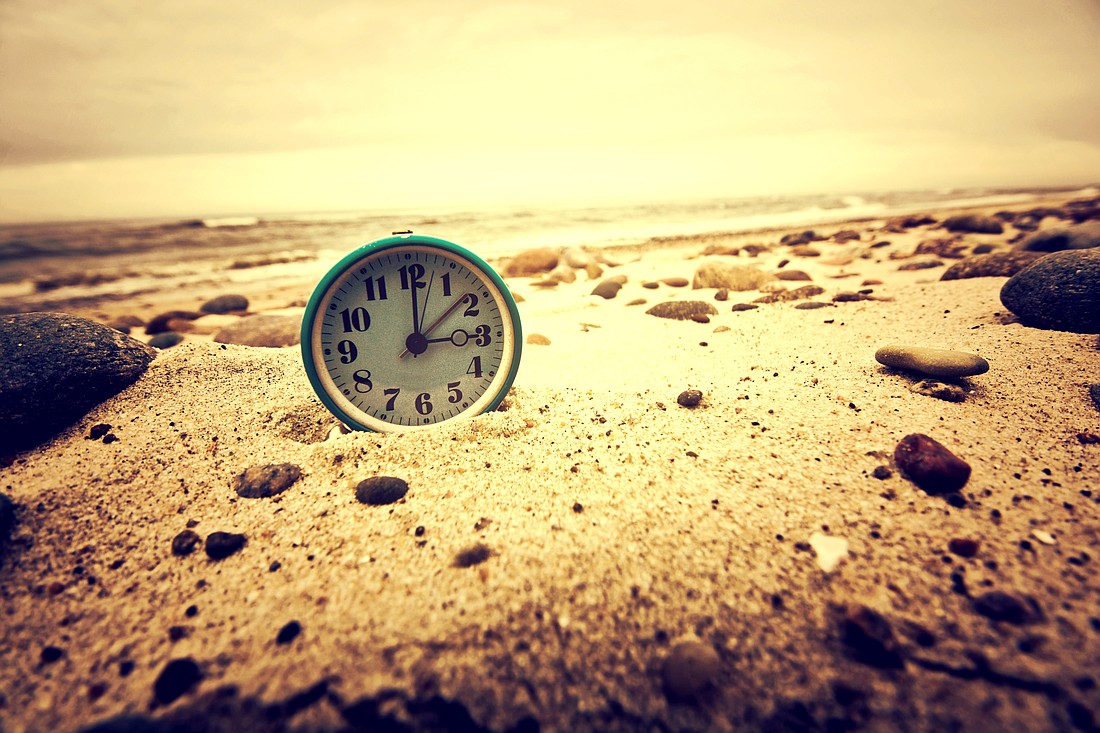
Every age and generation comes to a crisis point when their view becomes apocalyptic and they focus on the end of things. This is not just true in religious circles, as secular historians similarly focus on the comings and goings of empires and civilizations. There is a natural cycle to history which fascinates us, frightens us, and seems so inevitable that there is no way to end it. Each generation has their own apocalyptic world view that impacts how they view themselves and their relationship with the world. The appearance of strange prophets and reading the Scriptures through the lens of modern geopolitics only heightens anxiety and creates false illusions.
We saw that heightened at the end of the summer when some alleged prophet foresaw an event called the rapture (which is outside of Catholic teaching) and people tragically sold their homes and quit their jobs expecting to be taken up to heaven. As with many hundreds of false prophecies over the millennia, they were forced to confront the reality of their deception. Sadly, and predictably, the “prophet” announced a delay and gave a new date, which will itself come and go.
Among Catholics the fascination with the “Third Secret of Our Lady of Fatima” and the various conspiracies that surround the contents of the apparition, leads many to dismay and to hold beliefs that are often contrary to the teaching of the church.
The pervasiveness of an evangelical Christian apocalyptic world view in our culture has seduced many faithful Catholics down rabbit holes going in directions contrary to the teaching of the church and, frankly, even the Scriptures.
Jesus is both clear and vague in his teaching about the end of history and the Second Coming. That history will come to an end and that the Kingdom of God will be fully realized for all eternity is a fundamental truth of the Christian faith, in keeping with the teaching of Jesus and the early Church. At some time in history Jesus will again be made manifest to humanity, in all of his divine glory, and the dead will be raised and all of humanity will be subject to the final judgment.
Jesus was asked “when? How will we know?” The early Church, too, struggled with this question, and we hear it so clearly laid out by Saint Paul in his Second Letter to the Thessalonians. The answer is really always the same: “it happens when it happens.”
What are we to do in the meantime?
The Thessalonian church, hearing rumors that the Second Coming was imminent, fell into laxity as they waited for the end. This earned the anger of Saint Paul who sternly addressed them in this letter.
Both Jesus and Paul warn against the false prophets and doomsdayers who constantly announce the final days. We saw people fall into this trap again this past October when an alleged oracle, reading the signs of the times and some ancient prophecies, announced the date for the end. Like the hundreds of prophets before him, the day came and went, and like them he, too, had to explain the “delay” and then arrogantly set a new date. He will be wrong again.
What is certain is that we are living in the last days – we have always been living in the last days – and generations from now they, too, will be living in the last days. This is the reminder to us that God is always with us, his kingdom is always at hand, and the demands of discipleship are always upon us.
We cannot rely on the delay as an opportunity to grow lax in faith and in living the moral Christian life. Each and every day we need to be prepared to exercise true discipleship and to live our faith and make an accounting to God for how we have lived the gift of life that he gave to us freely and unreservedly.
Father Garry Koch is pastor of St. Benedict Parish, Holmdel.
Related Stories
Monday, December 29, 2025


E-Editions
Events
Gospel reflection for Nov. 16, 2025, 33rd Sunday in Ordinary Time
Every age and generation comes to a crisis point when their view becomes apocalyptic and they focus on the end of things. This is not just true in religious circles, as secular historians similarly focus on the comings and goings of empires and civilizations. There is a natural cycle to history which fascinates us, frightens us, and seems so inevitable that there is no way to end it. Each generation has their own apocalyptic world view that impacts how they view themselves and their relationship with the world. The appearance of strange prophets and reading the Scriptures through the lens of modern geopolitics only heightens anxiety and creates false illusions.
We saw that heightened at the end of the summer when some alleged prophet foresaw an event called the rapture (which is outside of Catholic teaching) and people tragically sold their homes and quit their jobs expecting to be taken up to heaven. As with many hundreds of false prophecies over the millennia, they were forced to confront the reality of their deception. Sadly, and predictably, the “prophet” announced a delay and gave a new date, which will itself come and go.
Among Catholics the fascination with the “Third Secret of Our Lady of Fatima” and the various conspiracies that surround the contents of the apparition, leads many to dismay and to hold beliefs that are often contrary to the teaching of the church.
The pervasiveness of an evangelical Christian apocalyptic world view in our culture has seduced many faithful Catholics down rabbit holes going in directions contrary to the teaching of the church and, frankly, even the Scriptures.
Jesus is both clear and vague in his teaching about the end of history and the Second Coming. That history will come to an end and that the Kingdom of God will be fully realized for all eternity is a fundamental truth of the Christian faith, in keeping with the teaching of Jesus and the early Church. At some time in history Jesus will again be made manifest to humanity, in all of his divine glory, and the dead will be raised and all of humanity will be subject to the final judgment.
Jesus was asked “when? How will we know?” The early Church, too, struggled with this question, and we hear it so clearly laid out by Saint Paul in his Second Letter to the Thessalonians. The answer is really always the same: “it happens when it happens.”
What are we to do in the meantime?
The Thessalonian church, hearing rumors that the Second Coming was imminent, fell into laxity as they waited for the end. This earned the anger of Saint Paul who sternly addressed them in this letter.
Both Jesus and Paul warn against the false prophets and doomsdayers who constantly announce the final days. We saw people fall into this trap again this past October when an alleged oracle, reading the signs of the times and some ancient prophecies, announced the date for the end. Like the hundreds of prophets before him, the day came and went, and like them he, too, had to explain the “delay” and then arrogantly set a new date. He will be wrong again.
What is certain is that we are living in the last days – we have always been living in the last days – and generations from now they, too, will be living in the last days. This is the reminder to us that God is always with us, his kingdom is always at hand, and the demands of discipleship are always upon us.
We cannot rely on the delay as an opportunity to grow lax in faith and in living the moral Christian life. Each and every day we need to be prepared to exercise true discipleship and to live our faith and make an accounting to God for how we have lived the gift of life that he gave to us freely and unreservedly.
Father Garry Koch is pastor of St. Benedict Parish, Holmdel.