


Ending TPS for Honduras, Nicaragua shows 'no discernment,' sparks fear, say experts
July 11, 2025 at 12:40 p.m.
OSV News — The Trump administration's ending of deportation protections for those who have fled Honduras and Nicaragua shows "no discernment," an immigration policy expert told OSV News — while a pastor at one Philadelphia parish said the moves have sparked fear and a sense of powerlessness among his community.
On July 7, the Department of Homeland Security announced it would terminate the designation of Temporary Protected Status for the nations of Honduras and Nicaragua, effective Sept. 8.
An estimated 72,000 Hondurans and 4,000 Nicaraguans now in the U.S. are set to lose deportation protections as a result.
Established by Congress under the Immigration Act of 1990, TPS is granted to individuals from Homeland Security-designated countries experiencing ongoing crises.
Along with time-bound protection from deportation, TPS typically provides work authorization, and can be extended by the discretion of the Department of Homeland Security, to which U.S. immigration administration was transferred following the 2002 passage of the Homeland Security Act.
Both Honduras and Nicaragua were designated as TPS nations in January 1999, following the devastation wrought by Hurricane Mitch a few months prior.
The protection was extended for both countries multiple times over the years, due to ongoing effects from the hurricane, political and social instability, and legal challenges in the U.S. against efforts to end the TPS designation.
DHS Secretary Kristi Noem said July 7 that Honduras' government has "taken all of the necessary steps to overcome the impacts of Hurricane Mitch" and that "Honduran citizens can safely return home."
Also on July 7, a DHS spokesperson said the storm's impact in Nicaragua "no longer" exists, and that "the environmental situation has improved enough that it is safe enough for Nicaraguan citizens to return home."
But with both Nicaragua and Honduras facing ongoing human rights crises, "it is clear that the administration is showing no discernment on these terminations — country conditions are irrelevant to them," said J. Kevin Appleby, senior fellow for policy and communications at the Center for Migration Studies in New York.
Honduras continues to grapple with severe poverty, corruption and violence, ranking as one of the world's most violent nations with a 2023 homicide rate of 31 per 100,000 persons. Among Latin American and Caribbean nations, Honduras has the highest rate of femicide, or the murder of women, according to data provided by the Economic Commission for Latin America and the Caribbean.
The nation is also "one of the most important drug trafficking transshipment points between South America and Mexico," with criminal groups enjoying "official protection" from corruption-plagued government offices and armed forces, noted the think tank InSight Crime, which focuses on organized crime and security in the Americas.
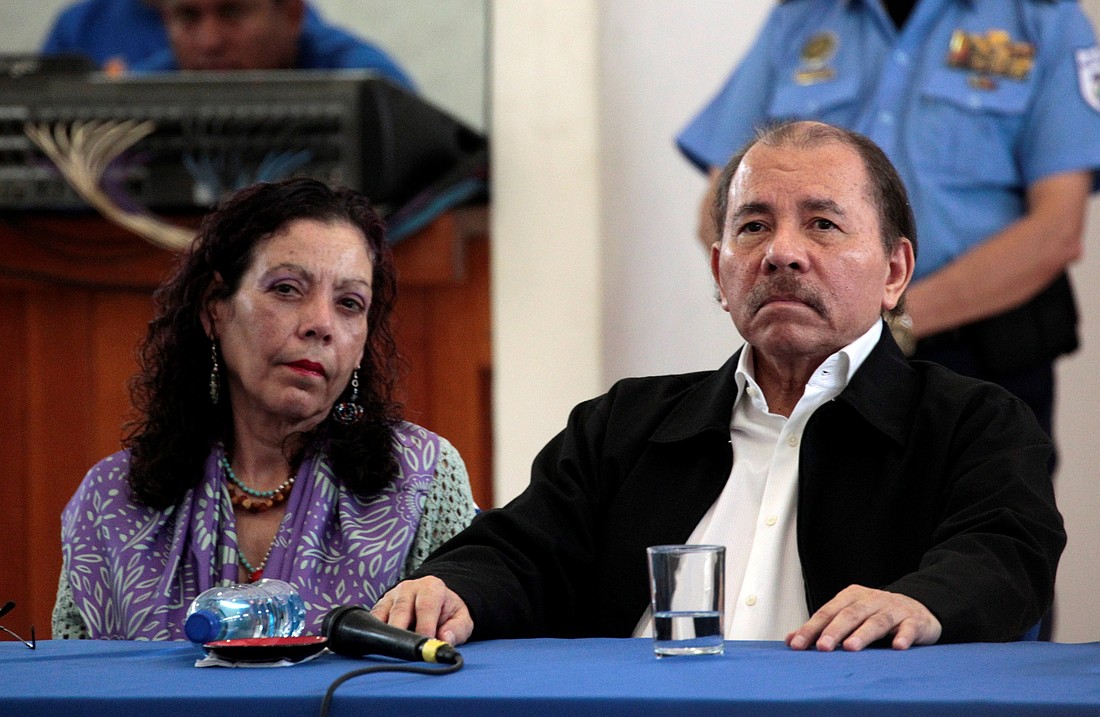
Nicaragua under the regime of President Daniel Ortega and his wife, Co-President Rosario Murillo, has seen a brutal crackdown on the Catholic Church, with clergy, religious and laypeople have been harassed, detained, imprisoned and expelled — most notably Bishop Rolando Álvarez of the Diocese of Matagalpa, who was first sentenced to jail, then deported and stripped of his citizenship. He now lives in exile in Rome.
The regime has now closed some 5,600 nongovernmental organizations, along with close to 60 media outlets, amid its wider repression of human freedoms, according to Human Rights Watch.
In April, Secretary of State Marco Rubio announced visa restrictions on "more than 250 regime officials of the Nicaraguan dictatorship," bringing the total to over 2,000 against the Ortega-Murillo government, which Rubio said "has deprived the Nicaraguan people of their fundamental freedoms and forced so many into exile."
"Honduras and Nicaragua are two of the most dangerous countries in this hemisphere, not to mention Haiti and Venezuela," said Appleby, who served as the U.S. Conference of Catholic Bishops' director of migration policy and public affairs from 1998-2016.
Father Charles Ravert, pastor of St. Ambrose Parish in Philadelphia, said the Trump administration's ending of TPS protections for Honduras, Nicaragua and other nations has made for "fear compounding fear" among his flock.
"They're afraid to go back, and they're afraid someone's going to force them to go back," he told OSV News. "And that leaves them feeling powerless."
Among his Hispanic parishioners, "there's a sense of fear that they're either being targeted, or people close to them are being targeted," he said, adding that many are bewildered and distraught at the prospect of "going back to a place where they fled from because of fear."
He noted that they do support the removal of those individuals who present genuine security and criminal threats to the U.S. — but that they're "worried about the good people who get caught up in the wake of driving out the bad."
A number have expressed to him their concern over "the whole idea of being removed by the mass deportations — just the fact that you see little due process, or no due process whatsoever," he said. "You're here one moment, you're there the next."
Appleby warned that the Trump administration is "terminating TPS for as many countries as possible before their mass deportation campaign begins in full."
Father Ravert said his parishioners are holding fast to the Lord amid the immigration restrictions.
"We continue to pray," he said. "Our parish, thankfully, is a refuge for them to have a little bit of peace of mind."
Ultimately, Father Ravert said, "the Lord's the one who's in control. It's not a president, it's not a policy, it's not an office, it's not a department. It's the Lord."
Gina Christian is a multimedia reporter for OSV News. Follow her on X @GinaJesseReina.
Please consider supporting this work by signing up for a SUBSCRIPTION (click HERE) or making a DONATION to The Monitor (click HERE). Thank you for your support.
Related Stories
Sunday, December 14, 2025

E-Editions

Events
OSV News — The Trump administration's ending of deportation protections for those who have fled Honduras and Nicaragua shows "no discernment," an immigration policy expert told OSV News — while a pastor at one Philadelphia parish said the moves have sparked fear and a sense of powerlessness among his community.
On July 7, the Department of Homeland Security announced it would terminate the designation of Temporary Protected Status for the nations of Honduras and Nicaragua, effective Sept. 8.
An estimated 72,000 Hondurans and 4,000 Nicaraguans now in the U.S. are set to lose deportation protections as a result.
Established by Congress under the Immigration Act of 1990, TPS is granted to individuals from Homeland Security-designated countries experiencing ongoing crises.
Along with time-bound protection from deportation, TPS typically provides work authorization, and can be extended by the discretion of the Department of Homeland Security, to which U.S. immigration administration was transferred following the 2002 passage of the Homeland Security Act.
Both Honduras and Nicaragua were designated as TPS nations in January 1999, following the devastation wrought by Hurricane Mitch a few months prior.
The protection was extended for both countries multiple times over the years, due to ongoing effects from the hurricane, political and social instability, and legal challenges in the U.S. against efforts to end the TPS designation.
DHS Secretary Kristi Noem said July 7 that Honduras' government has "taken all of the necessary steps to overcome the impacts of Hurricane Mitch" and that "Honduran citizens can safely return home."
Also on July 7, a DHS spokesperson said the storm's impact in Nicaragua "no longer" exists, and that "the environmental situation has improved enough that it is safe enough for Nicaraguan citizens to return home."
But with both Nicaragua and Honduras facing ongoing human rights crises, "it is clear that the administration is showing no discernment on these terminations — country conditions are irrelevant to them," said J. Kevin Appleby, senior fellow for policy and communications at the Center for Migration Studies in New York.
Honduras continues to grapple with severe poverty, corruption and violence, ranking as one of the world's most violent nations with a 2023 homicide rate of 31 per 100,000 persons. Among Latin American and Caribbean nations, Honduras has the highest rate of femicide, or the murder of women, according to data provided by the Economic Commission for Latin America and the Caribbean.
The nation is also "one of the most important drug trafficking transshipment points between South America and Mexico," with criminal groups enjoying "official protection" from corruption-plagued government offices and armed forces, noted the think tank InSight Crime, which focuses on organized crime and security in the Americas.
Nicaragua under the regime of President Daniel Ortega and his wife, Co-President Rosario Murillo, has seen a brutal crackdown on the Catholic Church, with clergy, religious and laypeople have been harassed, detained, imprisoned and expelled — most notably Bishop Rolando Álvarez of the Diocese of Matagalpa, who was first sentenced to jail, then deported and stripped of his citizenship. He now lives in exile in Rome.
The regime has now closed some 5,600 nongovernmental organizations, along with close to 60 media outlets, amid its wider repression of human freedoms, according to Human Rights Watch.
In April, Secretary of State Marco Rubio announced visa restrictions on "more than 250 regime officials of the Nicaraguan dictatorship," bringing the total to over 2,000 against the Ortega-Murillo government, which Rubio said "has deprived the Nicaraguan people of their fundamental freedoms and forced so many into exile."
"Honduras and Nicaragua are two of the most dangerous countries in this hemisphere, not to mention Haiti and Venezuela," said Appleby, who served as the U.S. Conference of Catholic Bishops' director of migration policy and public affairs from 1998-2016.
Father Charles Ravert, pastor of St. Ambrose Parish in Philadelphia, said the Trump administration's ending of TPS protections for Honduras, Nicaragua and other nations has made for "fear compounding fear" among his flock.
"They're afraid to go back, and they're afraid someone's going to force them to go back," he told OSV News. "And that leaves them feeling powerless."
Among his Hispanic parishioners, "there's a sense of fear that they're either being targeted, or people close to them are being targeted," he said, adding that many are bewildered and distraught at the prospect of "going back to a place where they fled from because of fear."
He noted that they do support the removal of those individuals who present genuine security and criminal threats to the U.S. — but that they're "worried about the good people who get caught up in the wake of driving out the bad."
A number have expressed to him their concern over "the whole idea of being removed by the mass deportations — just the fact that you see little due process, or no due process whatsoever," he said. "You're here one moment, you're there the next."
Appleby warned that the Trump administration is "terminating TPS for as many countries as possible before their mass deportation campaign begins in full."
Father Ravert said his parishioners are holding fast to the Lord amid the immigration restrictions.
"We continue to pray," he said. "Our parish, thankfully, is a refuge for them to have a little bit of peace of mind."
Ultimately, Father Ravert said, "the Lord's the one who's in control. It's not a president, it's not a policy, it's not an office, it's not a department. It's the Lord."
Gina Christian is a multimedia reporter for OSV News. Follow her on X @GinaJesseReina.
Please consider supporting this work by signing up for a SUBSCRIPTION (click HERE) or making a DONATION to The Monitor (click HERE). Thank you for your support.