


Father Koch: The Eucharist is made possible by the Incarnation
December 19, 2025 at 8:00 a.m.
Gospel reflection for Dec. 21, 2025, Fourth Sunday of Advent
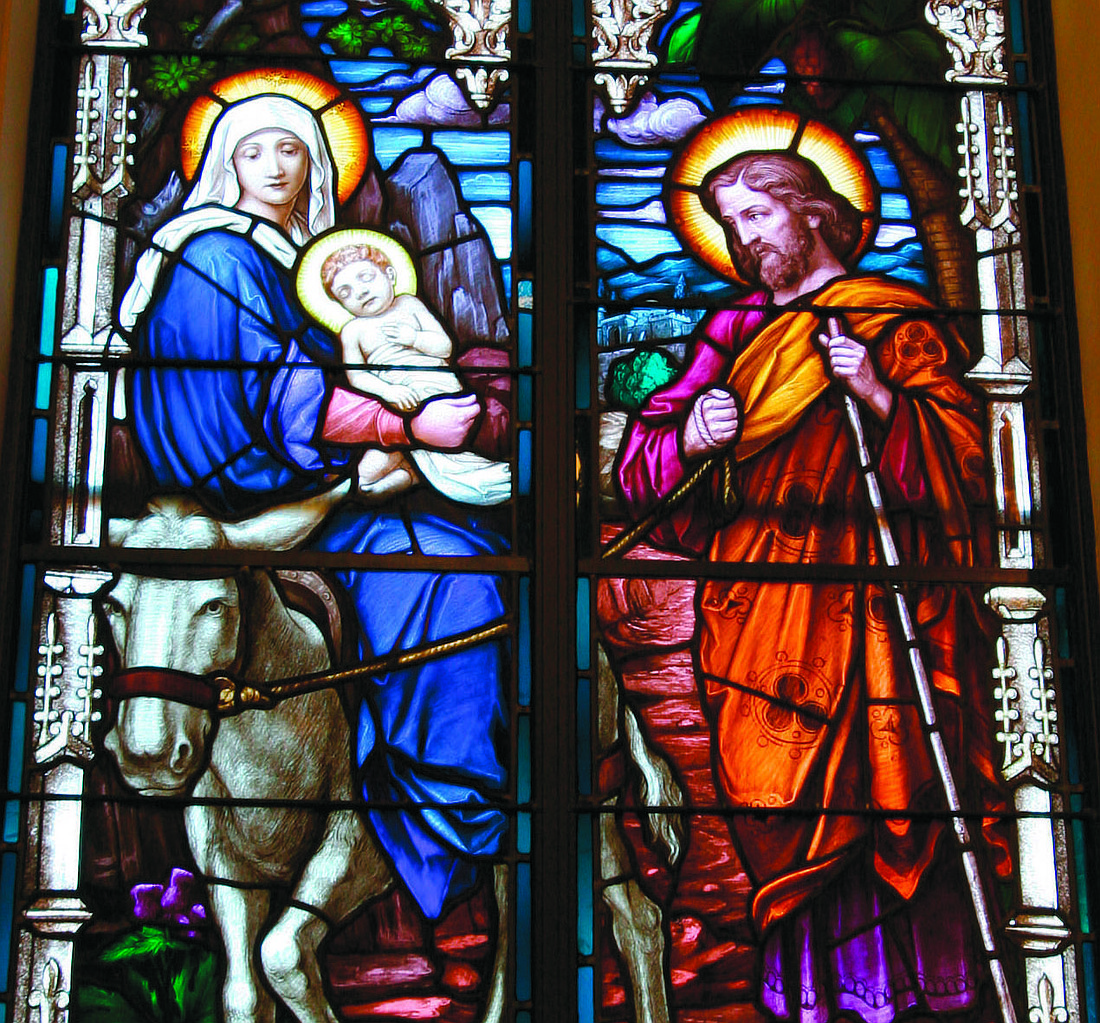
While we often focus on the redemptive ministry of Jesus accomplished through the Cross, the message of Joseph’s dream points us towards the Incarnation.
The Isaiah prophecy cited by Matthew does not focus on redemption but rather emphasizes the presence of Emmanuel – “God is with us.” This is the great mystery and gift of the Incarnation – that God is truly with us. No longer can God be experienced solely in abstract or distant ways, rather God is made known in the person of Jesus and even now, in the Eucharistic miracle that flows from the Incarnation.
When we reflect deeply on what we are celebrating at Christmas we cannot help but be overwhelmed by the awesomeness of the events. It is the God who created all things – the very universe itself – and is the source of all life who becomes a human being, like us (“in all things but sin”) in the person of Jesus. By becoming a human being, with all of the traits that you and I share, God himself entered into creation and in a mysterious way became a part of his own creation, and subject to the laws of that creation. This is why, then, the Death of Jesus is possible and necessary.
The corporeality of Jesus meant that he experienced human desire, which we see at those times in his life when the evangelists report that he was hungry. The infant Jesus needed to be fed, just as every baby does, and like every child longed for the loving touch and the soothing sounds of his mother’s voice.
When the ancient peoples imagined their gods interacting with the physical world, they were generally understood as nefarious creatures, either grotesque or dazzlingly beautiful in appearance, and virtually never with the best of intentions for humanity.
The Israelite and Jewish peoples did not see God in this same way. God was totally other, the source of all things, but never whimsical or inane in his treatment of others. With the promise of a messianic age and the visitation of God to his Temple in Jerusalem, the Jews longed to see their God and to encounter him. Though strong and punishing, God as revealed in the Hebrew Scriptures loves his people and chastises them for their own good, and not for his sadistic pleasure, as do the mythological deities.
Humanity seeks a personal relationship with God and to have an intimate encounter with him. This is not really possible outside of the Incarnation.
Once God becomes a human person the entire dynamic changes. Humans, who from the very beginning have tried also to make themselves gods, or to be like the gods (for good or for ill) now see their humanity elevated, while at the same time, divinity is not debased. As the deacon prays at the intinction of the water and wine in the chalice at Mass: “... may we come to share in the divinity of Christ who humbled himself to share in our humanity.”
Now, with our human nature sharing in the divine nature, we seek not only this intimacy but also nourishment, as it were, “food for the journey.”
Again, at Mass, during the fractioning rite, the priest prays quietly: “May this mingling of the Body and Blood of our Lord Jesus Christ bring eternal life to us who receive it,” as he breaks the consecrated host and places a small fragment of it into the chalice.
This reflects the reality that our human nature and the divine nature, perfectly commingled in the person of Jesus, is yet present with and in us.
We seek this union with God and God seeks this union with us. This unity was not completed at the Paschal Events, though it brought it all to fulfillment, rather each one of us seeks this personal union with God as God seeks this personal union with us. This desire on the part of God is not just for all of humanity but for each individual person – you and I – and all of the you’s and I’s who will have ever lived.
God intends to be present with us and seeks that union with us as we seek that union with him. Both God and the individual person seek the unity that comes from the reception of the Eucharist.
Once God becomes a human person then the Eucharist itself becomes necessary and possible.
May this coming Feast of the Nativity strengthen within us the desire to receive Christ fully realized in the Eucharist.
Father Garry Koch is pastor of St. Benedict Parish, Holmdel.
Related Stories
Thursday, January 08, 2026



E-Editions
Events
Gospel reflection for Dec. 21, 2025, Fourth Sunday of Advent
While we often focus on the redemptive ministry of Jesus accomplished through the Cross, the message of Joseph’s dream points us towards the Incarnation.
The Isaiah prophecy cited by Matthew does not focus on redemption but rather emphasizes the presence of Emmanuel – “God is with us.” This is the great mystery and gift of the Incarnation – that God is truly with us. No longer can God be experienced solely in abstract or distant ways, rather God is made known in the person of Jesus and even now, in the Eucharistic miracle that flows from the Incarnation.
When we reflect deeply on what we are celebrating at Christmas we cannot help but be overwhelmed by the awesomeness of the events. It is the God who created all things – the very universe itself – and is the source of all life who becomes a human being, like us (“in all things but sin”) in the person of Jesus. By becoming a human being, with all of the traits that you and I share, God himself entered into creation and in a mysterious way became a part of his own creation, and subject to the laws of that creation. This is why, then, the Death of Jesus is possible and necessary.
The corporeality of Jesus meant that he experienced human desire, which we see at those times in his life when the evangelists report that he was hungry. The infant Jesus needed to be fed, just as every baby does, and like every child longed for the loving touch and the soothing sounds of his mother’s voice.
When the ancient peoples imagined their gods interacting with the physical world, they were generally understood as nefarious creatures, either grotesque or dazzlingly beautiful in appearance, and virtually never with the best of intentions for humanity.
The Israelite and Jewish peoples did not see God in this same way. God was totally other, the source of all things, but never whimsical or inane in his treatment of others. With the promise of a messianic age and the visitation of God to his Temple in Jerusalem, the Jews longed to see their God and to encounter him. Though strong and punishing, God as revealed in the Hebrew Scriptures loves his people and chastises them for their own good, and not for his sadistic pleasure, as do the mythological deities.
Humanity seeks a personal relationship with God and to have an intimate encounter with him. This is not really possible outside of the Incarnation.
Once God becomes a human person the entire dynamic changes. Humans, who from the very beginning have tried also to make themselves gods, or to be like the gods (for good or for ill) now see their humanity elevated, while at the same time, divinity is not debased. As the deacon prays at the intinction of the water and wine in the chalice at Mass: “... may we come to share in the divinity of Christ who humbled himself to share in our humanity.”
Now, with our human nature sharing in the divine nature, we seek not only this intimacy but also nourishment, as it were, “food for the journey.”
Again, at Mass, during the fractioning rite, the priest prays quietly: “May this mingling of the Body and Blood of our Lord Jesus Christ bring eternal life to us who receive it,” as he breaks the consecrated host and places a small fragment of it into the chalice.
This reflects the reality that our human nature and the divine nature, perfectly commingled in the person of Jesus, is yet present with and in us.
We seek this union with God and God seeks this union with us. This unity was not completed at the Paschal Events, though it brought it all to fulfillment, rather each one of us seeks this personal union with God as God seeks this personal union with us. This desire on the part of God is not just for all of humanity but for each individual person – you and I – and all of the you’s and I’s who will have ever lived.
God intends to be present with us and seeks that union with us as we seek that union with him. Both God and the individual person seek the unity that comes from the reception of the Eucharist.
Once God becomes a human person then the Eucharist itself becomes necessary and possible.
May this coming Feast of the Nativity strengthen within us the desire to receive Christ fully realized in the Eucharist.
Father Garry Koch is pastor of St. Benedict Parish, Holmdel.