


Doctor tells young adult audience that they are 'Unprotected'
July 29, 2019 at 12:37 p.m.
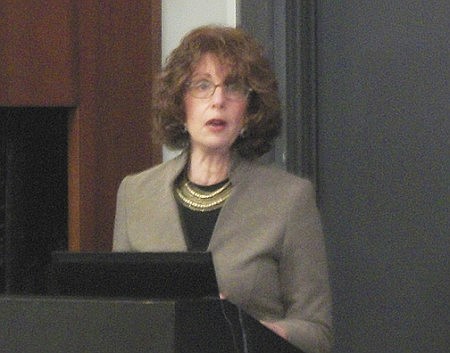
Kayla was one of the many college girls who – after regretfully getting involved in the school’s party scene and subsequently failing three classes – came to Dr. Miriam Grossman for counseling at UCLA. But, according to Dr. Grossman the cause of Kayla’s distress is one that college counsel centers often overlook.
Dr. Grossman noticed that Kayla, like many other young women, was a “casualty of the hook-up culture” since her downward spiral began shortly after she got involved in a “friend with benefits” named David. Kayla’s unrequited feelings toward this guy, and the confusion those feelings caused, made her drift into the party scene in search of relief, Dr. Grossman observed.
After hearing Kayla’s story and many others like it, Dr. Grossman realized that there is an apparent connection between the hook-up culture that most campuses regard as acceptable, and other problems that jeopardize students’ health, well-being and academic success.
Dr. Grossman’s work pushes the warnings against promiscuity and non-marital intimacy beyond the scope of moral teachings, adding to the concerns the scientific and well-researched observations about the risks young people face.
In her talk at Princeton University Nov. 19, Dr. Grossman shared the scope of her book “Unprotected,” which challenges sex education programs that promote the use of contraceptives.
Dr. Grossman, also author of “You’re Teaching my Child What?,” believes sex education programs should teach students the scientific truth about promiscuity.
The talk was sponsored by Princeton University’s Anscombe Society, a student organization dedicated to affirming the importance of the family and marriage. The talk filled a classroom in Robertson Hall with about 50 people, including students and others from the local community.
Dr. Grossman, who received her medical degree from New York University, worked as a student counselor at UCLA for 12 years and said to the students at the talk, “While working there my patients were students like you.”
Dr. Grossman has also completed a residency in psychiatry and a fellowship in child and adolescent psychiatry at North Shore Hospital of Cornell University Medical College.
She said the casual sex culture has many negative consequences that young adults, especially young women, don’t consider strongly enough, like infections and pregnancies that “can be setbacks to achieving personal and professional goals.”
Seeing how college students were being misinformed and made vulnerable, she decided to write her book, which gives a variety of research-based facts that expose the dangers of the hook-up culture.
The hormone oxytocin, which Dr. Grossman called the “politically incorrect hormone,” plays a large role in the biochemical differences between young men and women, she said.
She explained that, since young women have significantly higher levels of oxytocin than young men, they have a more cognitive emotional reaction to all kinds of intimate behavior. Using Kayla’s story as a case in point, Dr. Grossman explained how oxytocin promotes feelings of attachment and trust, and how that is especially significant because the hormone is stimulated through physical intimacy.
“We are wired, especially women, not only to experience pleasure from intimacy,” she said. “We’re wired as well to have an emotional, cognitive reaction. And this is very different from the message Kayla got when she got involved in the hook-up scene.
“There was nothing wrong with Kayla,” she added. “She was just never taught the unique sensitivities of the female brain. The denial that there’s something distinct about women’s neurological response to intimacy is wrong and perilous.”
She cited a survey taken by a 2007 graduate of Princeton University, which found that 91 percent of women had at least some regret after a casual sexual encounter.
“It’s good to have a doctor speak about these issues,” said Audrey Pollnow, president of the Anscombe Society. “‘Unprotected’ is a good book. It illustrates things that are true about the way we are aside from the moral question. Even though I have moral opinions about this, that’s not the only side of it.”
“(Dr. Grossman) certainly is a breath of fresh air, a voice calling out in the wilderness,” said Arthur Mattei, member of St. Paul Parish, Princeton, and retired court official of the Superior Court of New Jersey.
“Having grown up in the ‘50s and ‘60s the big shift has been not only the culture itself but also all of this misinformation that is now coming from the establishment,” he said, adding that the government, media, culture and academia are all sending a much different message.
Father Michael McClane, parochial vicar of St. Paul Parish, said the parish encouraged parishioners to go to Dr. Grossman’s talk by publicizing it especially to its young adult group.
He noted that a sex education program implemented in about 50 school districts throughout New Jersey is based at Princeton University.
“(The program) takes this comprehensive sex education approach. They mention abstinence but also go into all types of other sexuality,” he said. “They say this is the way to be fulfilled and experience self-realization. This is not in line with our Judeo-Christian understanding of sexuality.
“In the 60s, when the sexual revolution began there were two STDs, but now there’s a whole host of other ones,” he said. “(Sex education programs) are not being honest with people. They give a false sense that this is safe, but even the best forms of contraceptives are not. I think that’s definitely something young people should know about.”
[[In-content Ad]]Related Stories
Sunday, December 14, 2025





E-Editions
Events
Kayla was one of the many college girls who – after regretfully getting involved in the school’s party scene and subsequently failing three classes – came to Dr. Miriam Grossman for counseling at UCLA. But, according to Dr. Grossman the cause of Kayla’s distress is one that college counsel centers often overlook.
Dr. Grossman noticed that Kayla, like many other young women, was a “casualty of the hook-up culture” since her downward spiral began shortly after she got involved in a “friend with benefits” named David. Kayla’s unrequited feelings toward this guy, and the confusion those feelings caused, made her drift into the party scene in search of relief, Dr. Grossman observed.
After hearing Kayla’s story and many others like it, Dr. Grossman realized that there is an apparent connection between the hook-up culture that most campuses regard as acceptable, and other problems that jeopardize students’ health, well-being and academic success.
Dr. Grossman’s work pushes the warnings against promiscuity and non-marital intimacy beyond the scope of moral teachings, adding to the concerns the scientific and well-researched observations about the risks young people face.
In her talk at Princeton University Nov. 19, Dr. Grossman shared the scope of her book “Unprotected,” which challenges sex education programs that promote the use of contraceptives.
Dr. Grossman, also author of “You’re Teaching my Child What?,” believes sex education programs should teach students the scientific truth about promiscuity.
The talk was sponsored by Princeton University’s Anscombe Society, a student organization dedicated to affirming the importance of the family and marriage. The talk filled a classroom in Robertson Hall with about 50 people, including students and others from the local community.
Dr. Grossman, who received her medical degree from New York University, worked as a student counselor at UCLA for 12 years and said to the students at the talk, “While working there my patients were students like you.”
Dr. Grossman has also completed a residency in psychiatry and a fellowship in child and adolescent psychiatry at North Shore Hospital of Cornell University Medical College.
She said the casual sex culture has many negative consequences that young adults, especially young women, don’t consider strongly enough, like infections and pregnancies that “can be setbacks to achieving personal and professional goals.”
Seeing how college students were being misinformed and made vulnerable, she decided to write her book, which gives a variety of research-based facts that expose the dangers of the hook-up culture.
The hormone oxytocin, which Dr. Grossman called the “politically incorrect hormone,” plays a large role in the biochemical differences between young men and women, she said.
She explained that, since young women have significantly higher levels of oxytocin than young men, they have a more cognitive emotional reaction to all kinds of intimate behavior. Using Kayla’s story as a case in point, Dr. Grossman explained how oxytocin promotes feelings of attachment and trust, and how that is especially significant because the hormone is stimulated through physical intimacy.
“We are wired, especially women, not only to experience pleasure from intimacy,” she said. “We’re wired as well to have an emotional, cognitive reaction. And this is very different from the message Kayla got when she got involved in the hook-up scene.
“There was nothing wrong with Kayla,” she added. “She was just never taught the unique sensitivities of the female brain. The denial that there’s something distinct about women’s neurological response to intimacy is wrong and perilous.”
She cited a survey taken by a 2007 graduate of Princeton University, which found that 91 percent of women had at least some regret after a casual sexual encounter.
“It’s good to have a doctor speak about these issues,” said Audrey Pollnow, president of the Anscombe Society. “‘Unprotected’ is a good book. It illustrates things that are true about the way we are aside from the moral question. Even though I have moral opinions about this, that’s not the only side of it.”
“(Dr. Grossman) certainly is a breath of fresh air, a voice calling out in the wilderness,” said Arthur Mattei, member of St. Paul Parish, Princeton, and retired court official of the Superior Court of New Jersey.
“Having grown up in the ‘50s and ‘60s the big shift has been not only the culture itself but also all of this misinformation that is now coming from the establishment,” he said, adding that the government, media, culture and academia are all sending a much different message.
Father Michael McClane, parochial vicar of St. Paul Parish, said the parish encouraged parishioners to go to Dr. Grossman’s talk by publicizing it especially to its young adult group.
He noted that a sex education program implemented in about 50 school districts throughout New Jersey is based at Princeton University.
“(The program) takes this comprehensive sex education approach. They mention abstinence but also go into all types of other sexuality,” he said. “They say this is the way to be fulfilled and experience self-realization. This is not in line with our Judeo-Christian understanding of sexuality.
“In the 60s, when the sexual revolution began there were two STDs, but now there’s a whole host of other ones,” he said. “(Sex education programs) are not being honest with people. They give a false sense that this is safe, but even the best forms of contraceptives are not. I think that’s definitely something young people should know about.”
[[In-content Ad]]