
Gospel reflection for July 19, 2026, 16th Sunday in Ordinary Time
As we continue through the Kingdom parables of Jesus as presented in Matthew’s Gospel, the Kingdom of Heaven, a powerful image that encompasses the first stages of the preaching of Jesus, remains elusive and mysterious, yet is an ever-present reality.
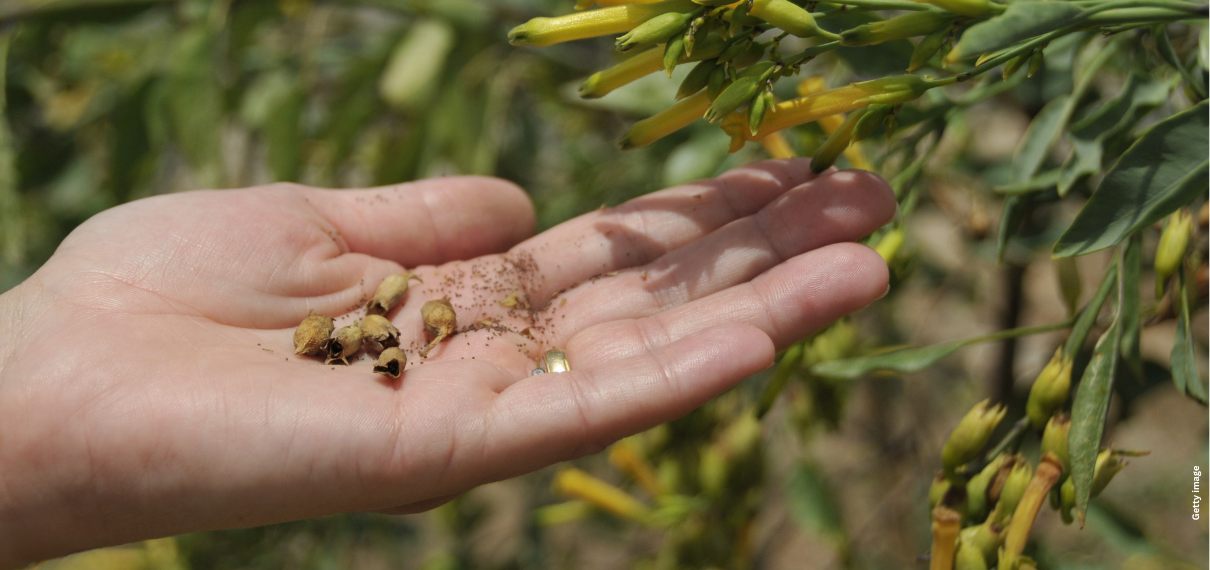
We saw in the first parable, which we heard last week, that the Kingdom is planted in a way that seems haphazard to us. The seeds are strewn about landing on all sorts of terrain and soil.
This week we hear three different parables, each of which emphasizes a different aspect of the Kingdom.
There are good seeds and there are bad seeds. Young plants can at times be hard to distinguish from one another, yet when they mature, there are good crops, weak crops, and weeds all growing together. The farmer in the parable is concerned that uprooting the weeds would be disruptive to the garden, and so they are allowed to grow together, only to be separated at harvest time.
Then Jesus likens the Kingdom to a mustard seed. This very small seed grows into a formidable bush, big enough even for birds to nest.
The next parable moves to the hearth, where the Kingdom is compared to a batch of dough which is leavened by a small amount of yeast.
What we get is a sense of randomness and yet intentionality in the Kingdom. We are left understanding that while we have the responsibility to sow the seeds of faith to the world, the results are not our own, and we can not ever be certain about what will come of our work and our efforts.
The Kakure Kirishitan’s of Japan demonstrate the mystery of the work of the Kingdom. Portuguese Jesuit missionaries planted seeds of faith in Japan in the early sixteenth century. There, though they encountered challenges, they planted seeds of faith, until they and all foreigners were expelled from the islands. The shogunate persecuted and martyred many people, attempting to obliterate the faith from there entirely.
Yet, some remained, hidden underground as a result of the prohibitions. Thousands of Catholics developed a coded language, masked practices, and created images of Jesus, Mary, and other saints in the butsuga art form in order to remain faithful to the Gospel and safe from persecution. In 1865, after 250 years of isolation, they encountered a priest for the first time and revealed themselves to him. They asked specifically whether he believed in Jesus, knew the Blessed Mother, and if he was unmarried. The yeast planted in their ancestors continued to grow and enrich their lives of faith.
Their story spread throughout Catholic Europe quickly, and sparked a revival of the faith, especially as the missionary zeal was then developing among the newly colonized African peoples.
We are seeing this kind of work now in the resurgence of practice among the young. A recent survey in the Catalonia region of Spain, found that 40.9% of those 18 to 24 identified as Catholic, compared to only 34.6% of those aged 25 to 34. Catalonia is the least religious of the Spanish provinces.
In vocation work here in our diocese, we are finding that a significant number of the men discerning priesthood come from families where the practice of the faith is nominal at best. We are seeing that now even with those who present themselves for parish ministries as altar servers, and lectors. Throughout the country, and even in very secular parts of Europe, inquiry for Order of Christian Initiation of Adults enrollment is skyrocketing.
All we can do is plant seeds. Even the smallest seed bears fruit.
Yes, Jesus warned us that there are others out there who also are planting seeds – seeds of division, discontentment, moral ambiguity and doubts of faith as well. Within those who have also been planted the seed of faith, the two grow, often together, causing a profound sense of tension and difficulty.
It is only at harvest time that we will know whether the good plants or the weeds have borne the most fruit.
Father Garry Koch is pastor of St. Benedict Parish, Holmdel.