


‘The Measure of a Man’
January 16, 2026 at 10:05 a.m.
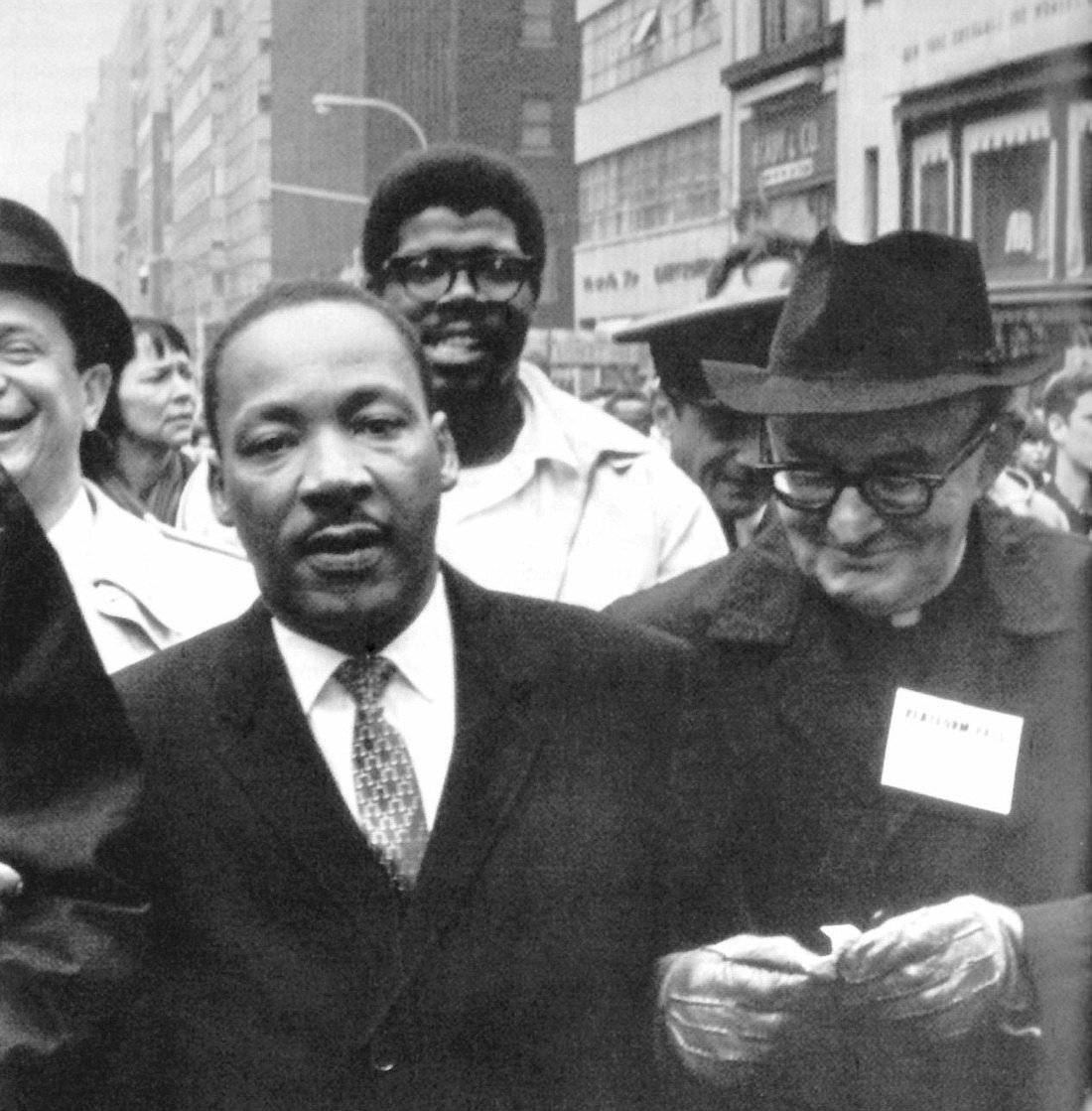
Influenced by the writings of the Indian Hindu religious philosopher and civil rights activist Mahatma Gandhi (1869-1948), Dr. Martin Luther King (1928-1968) embraced and advocated non-violence and civil disobedience in the sermons and speeches he gave, in the demonstrations and protests he led, in the interactions and conversations he had with both his followers and his opponents all over the country. King made the civil rights movement “front page news” everywhere throughout the turbulent 1960s. As first President of the Southern Christian Leadership Conference (1957-68), he helped organize the landmark “March on Washington” in 1963, where his famous “I Have A Dream” speech instantly became a national inspiration and oratorical treasure.
King was awarded the 1964 Nobel Peace Prize for his non-violent work opposing racial inequality. He was instrumental in the passage of: the “1964 Civil Rights Act” signed into law by then President Lyndon B. Johnson, officially ending racial segregation and employment discrimination based on race, color, religion, sex or national origin; the “1965 Voting Rights Act” removing racially-based obstacles to voting; the “1968 Fair-Housing Act” prohibiting racially-based discrimination in the sale, rental or financing of housing. King also broadened his advocacy to include opposition to the Vietnam War and poverty in the United States.
As his mentor Mahatma Gandhi before him in 1948 in New Delhi, Dr. Martin Luther King, Jr., a champion for the non-violent struggle for civil rights and racial equality in America, fell victim to the violence he so valiantly opposed when he was assassinated on April 4, 1968 in Memphis. Although a bullet tragically ended his life at the age of 39, that same bullet ironically established his enduring legacy in our nation’s history, 18 years later earning him a date of annual commemoration on the American federal calendar.
It was Dr. Martin Luther King, Jr., himself who once wrote “the ultimate measure of a man is not where he stands in moments of comfort and convenience, but where he stands in moments of challenge and controversy. The true neighbor will risk his position, his prestige, and even his life for the welfare of others. In dangerous valleys and hazardous pathways, he will lift some bruised and beaten brother to a higher and more noble life (“Strength to Love,” 1963).” King truly gave his life “for the welfare of others,” lifting his brothers and sisters of every race to “a more noble life.” Yes, his life ended 58 years ago. But the cause for which he lived and died goes unfinished.
Celebrating a great man and his inspiring legacy is an important and noble thing. But memories are simply not enough. The true measure of a man like Dr. Martin Luther King is the real difference he made and continues to make in the lives of those he left behind and those he would never know. On this day when our nation remembers, lifts up and honors the life of Dr. Martin Luther King, let’s commit ourselves to the principles for which he gave his life.
Related Stories
Friday, January 16, 2026



E-Editions
Events
Influenced by the writings of the Indian Hindu religious philosopher and civil rights activist Mahatma Gandhi (1869-1948), Dr. Martin Luther King (1928-1968) embraced and advocated non-violence and civil disobedience in the sermons and speeches he gave, in the demonstrations and protests he led, in the interactions and conversations he had with both his followers and his opponents all over the country. King made the civil rights movement “front page news” everywhere throughout the turbulent 1960s. As first President of the Southern Christian Leadership Conference (1957-68), he helped organize the landmark “March on Washington” in 1963, where his famous “I Have A Dream” speech instantly became a national inspiration and oratorical treasure.
King was awarded the 1964 Nobel Peace Prize for his non-violent work opposing racial inequality. He was instrumental in the passage of: the “1964 Civil Rights Act” signed into law by then President Lyndon B. Johnson, officially ending racial segregation and employment discrimination based on race, color, religion, sex or national origin; the “1965 Voting Rights Act” removing racially-based obstacles to voting; the “1968 Fair-Housing Act” prohibiting racially-based discrimination in the sale, rental or financing of housing. King also broadened his advocacy to include opposition to the Vietnam War and poverty in the United States.
As his mentor Mahatma Gandhi before him in 1948 in New Delhi, Dr. Martin Luther King, Jr., a champion for the non-violent struggle for civil rights and racial equality in America, fell victim to the violence he so valiantly opposed when he was assassinated on April 4, 1968 in Memphis. Although a bullet tragically ended his life at the age of 39, that same bullet ironically established his enduring legacy in our nation’s history, 18 years later earning him a date of annual commemoration on the American federal calendar.
It was Dr. Martin Luther King, Jr., himself who once wrote “the ultimate measure of a man is not where he stands in moments of comfort and convenience, but where he stands in moments of challenge and controversy. The true neighbor will risk his position, his prestige, and even his life for the welfare of others. In dangerous valleys and hazardous pathways, he will lift some bruised and beaten brother to a higher and more noble life (“Strength to Love,” 1963).” King truly gave his life “for the welfare of others,” lifting his brothers and sisters of every race to “a more noble life.” Yes, his life ended 58 years ago. But the cause for which he lived and died goes unfinished.
Celebrating a great man and his inspiring legacy is an important and noble thing. But memories are simply not enough. The true measure of a man like Dr. Martin Luther King is the real difference he made and continues to make in the lives of those he left behind and those he would never know. On this day when our nation remembers, lifts up and honors the life of Dr. Martin Luther King, let’s commit ourselves to the principles for which he gave his life.