


Does a person's mortal sin prior to becoming Catholic follow him or her until confession and absolution?
September 9, 2025 at 2:27 p.m.
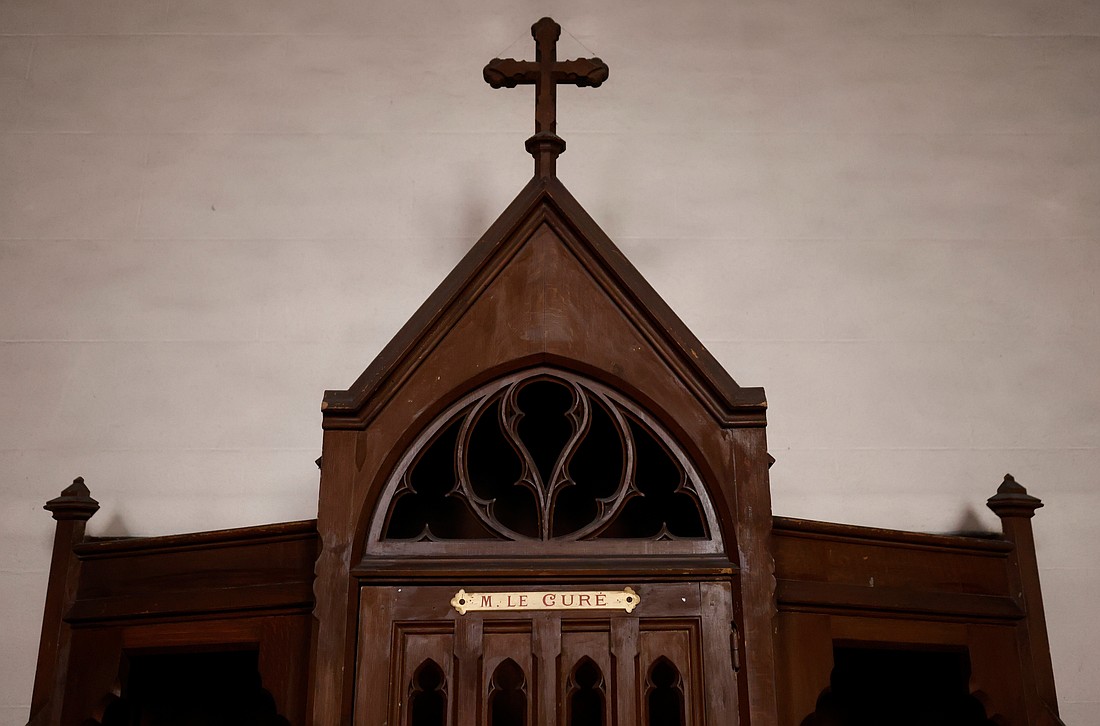
Q: Does a person's mortal sin prior to becoming Catholic follow him or her until confession and absolution? In particular, if a non-Catholic friend paid for someone's abortion during the 1970s under the false belief that the fetus was just "tissue" and not a baby yet, should the friend now acknowledge that his or her part was a mortal sin and go to confession and seek absolution? (Georgia)
A: Regarding the first part of your question, it depends on whether or not the person becoming Catholic was a true convert, in the sense of turning to Jesus from a non-Christian religion; or whether they had been a non-Catholic Christian who "entered into full communion" with the Catholic Church.
If a person was unbaptized before becoming Catholic, then all their sins would have been forgiven by their baptism. As we read in the Catechism of the Catholic Church: "By Baptism all sins are forgiven, original sin and all personal sins" (CCC, No. 1263).
As such, strictly speaking the newly baptized convert would not need to confess their pre-baptismal sins – although if they have a regular confessor afterward, it could still be devoutly helpful for them to share their personal history in this regard.
However, not everyone who becomes Catholic does so through baptism. Other kinds of Christians, such as most Protestants, have already been validly baptized and only need to receive the other two sacraments of initiation (Confirmation and the Eucharist) in order to become a full member of the Catholic Church.
And there are even some non-Catholic Christians, such as the Eastern Orthodox, who have already received all of their sacraments validly and are welcomed into the Catholic Church after just a simple profession of faith.
Already-baptized Christians would need to confess and receive absolution for any mortal sins they committed after baptism but prior to becoming Catholic, since it is baptism that has the power to forgive sins, and not reception into the Catholic Church per se on its own.
Like the Catechism further tells us: "Christ instituted the sacrament of Penance for all sinful members of his Church: above all for those who, since Baptism, have fallen into grave sin, and have thus lost their baptismal grace and wounded ecclesial communion" (CC, No. 1446).
But the specific example you mention in the second part of your question introduces a few nuances.
First, even an objectively serious sin such as facilitating an abortion might not be a mortal sin in every instance. In particular, the Catechism explains that "mortal sin requires full knowledge and complete consent. It presupposes knowledge of the sinful character of the act, of its opposition to God's law" (CCC, No. 1859).
Or in other words, if a person paid for an abortion because they sincerely but mistakenly believed that a fetus was somehow not a human life endowed with intrinsic dignity and the right to live, then this person would not have committed a mortal sin.
Yet depending on what their understanding of abortion actually was (e.g., did they accept the lie that an unborn child was "just a piece of tissue" at face value because this was what was always taught, when they might have asked some more pointed questions about whether this was actually true?) it still may have been venially sinful.
And additionally, the Catechism reminds us that actively "feigned ignorance" and "hardness of heart" do not excuse or diminish "but rather increase the voluntary character of a sin" and thus its seriousness (CCC, No. 1859).
On a practical level, my own rule of thumb with respect to questions like this is: When in doubt, bring it up in confession anyway. If a person does bear the guilt of a sin committed in their pre-Catholic life, the priest will be happy to grant absolution. And even if the act was only venially sinful, it never hurts to bring the light of God's sacramental grace into such a dark episode of one's history.
Jenna Marie Cooper, who holds a licentiate in canon law, is a consecrated virgin and a canonist whose column appears weekly at OSV News. Send your questions to [email protected].
Catholic journalism is needed now more than ever. Please consider supporting this work by signing up for a SUBSCRIPTION (click HERE) or making a DONATION to The Monitor (click HERE). Thank you for your support.
Related Stories
Saturday, December 27, 2025



E-Editions

Events
Q: Does a person's mortal sin prior to becoming Catholic follow him or her until confession and absolution? In particular, if a non-Catholic friend paid for someone's abortion during the 1970s under the false belief that the fetus was just "tissue" and not a baby yet, should the friend now acknowledge that his or her part was a mortal sin and go to confession and seek absolution? (Georgia)
A: Regarding the first part of your question, it depends on whether or not the person becoming Catholic was a true convert, in the sense of turning to Jesus from a non-Christian religion; or whether they had been a non-Catholic Christian who "entered into full communion" with the Catholic Church.
If a person was unbaptized before becoming Catholic, then all their sins would have been forgiven by their baptism. As we read in the Catechism of the Catholic Church: "By Baptism all sins are forgiven, original sin and all personal sins" (CCC, No. 1263).
As such, strictly speaking the newly baptized convert would not need to confess their pre-baptismal sins – although if they have a regular confessor afterward, it could still be devoutly helpful for them to share their personal history in this regard.
However, not everyone who becomes Catholic does so through baptism. Other kinds of Christians, such as most Protestants, have already been validly baptized and only need to receive the other two sacraments of initiation (Confirmation and the Eucharist) in order to become a full member of the Catholic Church.
And there are even some non-Catholic Christians, such as the Eastern Orthodox, who have already received all of their sacraments validly and are welcomed into the Catholic Church after just a simple profession of faith.
Already-baptized Christians would need to confess and receive absolution for any mortal sins they committed after baptism but prior to becoming Catholic, since it is baptism that has the power to forgive sins, and not reception into the Catholic Church per se on its own.
Like the Catechism further tells us: "Christ instituted the sacrament of Penance for all sinful members of his Church: above all for those who, since Baptism, have fallen into grave sin, and have thus lost their baptismal grace and wounded ecclesial communion" (CC, No. 1446).
But the specific example you mention in the second part of your question introduces a few nuances.
First, even an objectively serious sin such as facilitating an abortion might not be a mortal sin in every instance. In particular, the Catechism explains that "mortal sin requires full knowledge and complete consent. It presupposes knowledge of the sinful character of the act, of its opposition to God's law" (CCC, No. 1859).
Or in other words, if a person paid for an abortion because they sincerely but mistakenly believed that a fetus was somehow not a human life endowed with intrinsic dignity and the right to live, then this person would not have committed a mortal sin.
Yet depending on what their understanding of abortion actually was (e.g., did they accept the lie that an unborn child was "just a piece of tissue" at face value because this was what was always taught, when they might have asked some more pointed questions about whether this was actually true?) it still may have been venially sinful.
And additionally, the Catechism reminds us that actively "feigned ignorance" and "hardness of heart" do not excuse or diminish "but rather increase the voluntary character of a sin" and thus its seriousness (CCC, No. 1859).
On a practical level, my own rule of thumb with respect to questions like this is: When in doubt, bring it up in confession anyway. If a person does bear the guilt of a sin committed in their pre-Catholic life, the priest will be happy to grant absolution. And even if the act was only venially sinful, it never hurts to bring the light of God's sacramental grace into such a dark episode of one's history.
Jenna Marie Cooper, who holds a licentiate in canon law, is a consecrated virgin and a canonist whose column appears weekly at OSV News. Send your questions to [email protected].
Catholic journalism is needed now more than ever. Please consider supporting this work by signing up for a SUBSCRIPTION (click HERE) or making a DONATION to The Monitor (click HERE). Thank you for your support.