


Father Koch: Standing is easy; kneeling is hard
October 24, 2025 at 9:41 a.m.
Gospel reflection for Oct. 26, 2025, 30th Sunday in Ordinary Time
Our posture says a great deal about us, how we perceive ourselves and how we interact with others. We are familiar with the necessity of a firm handshake, appropriate eye contact, and how to be attentive to the person with whom we are interacting.
We use the term “posturing” when someone is making a stance, and more frequently to refer to someone making a defensive stance or inappropriately boasting about themselves. We generally react negatively to this attitude as it can feel condescending and disrespectful.
As Catholics we often get teased about the various postures we engage during the celebration of Mass and the sacraments. We stand, we sit, we kneel, we also cross ourselves, sometimes full body, at one point three smaller crosses on the forehead, lips, and the heart; we also strike our breasts and then receive Communion either on our tongue or with our hands cupped as a throne to embrace the Lord. Even more subtly there is the movement of our eyes and of our heads. We bow our heads at the Name of Jesus, and our gaze shifts ever so slightly during the more sacred moments of the Mass. Even the most regular attendee is unaware of those nuances. No one tells us to do these things, we learn them intuitively as we attend Mass and imitate the actions of others. To an outsider there seems no reason for any of these gestures and postures, yet they are deeply ingrained within the rubrics of the Mass and express a profound meaning for us.
As Catholics we know two things: first is that we are in the presence of God. Even before the celebration of the Mass, Jesus is present to us in the Tabernacle. We also understand that the altar, the Word being proclaimed, the priest, and even the assembly itself, are expressions and signs of God’s presence to us. The second thing we know is that none of us on our own merit are worthy to be in God’s presence. His presence is a total gift to us, one that he extends to us as a sign of his love and his mercy.
When our hearts and minds are drawn to pondering God’s presence, our interior disposition then should lead us to reflect on how unworthy we are to be in God’s presence. St. Ignatius of Loyola teaches us that it is through seeking God and our need for mercy that it is truly possible for us to experience mercy.
Following the parable of the unjust Judge (which we heard last Sunday) Jesus tells the Parable of the Pharisee and Tax Collector. Here he takes two generally unpopular figures and uses them in contrast to each other. Each man at prayer takes a different approach to being in God’s presence and, consequently, in his prayer.
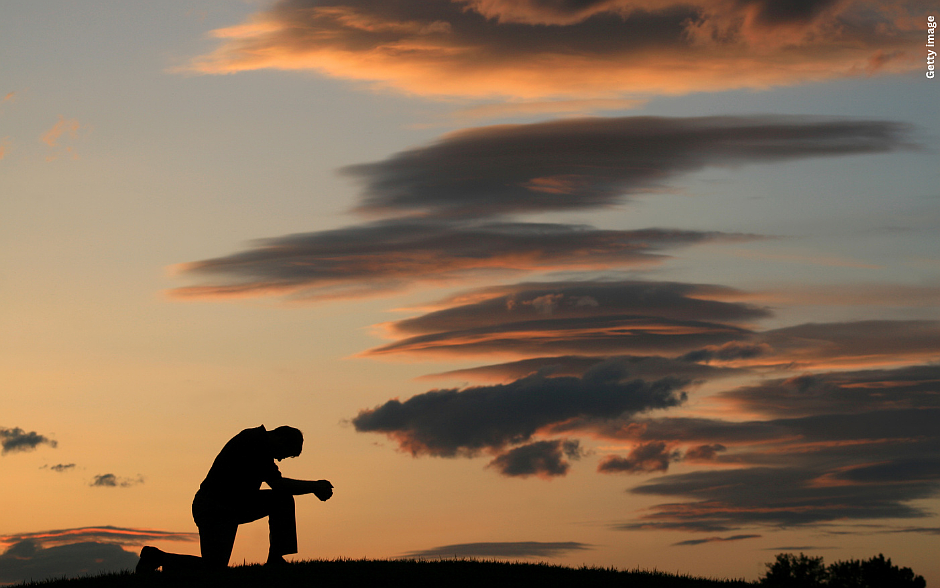
In the parable the Pharisee stands and boasts of his presumed virtue, while the tax collector kneels and pleads for mercy. His posture reflects his conscious need for mercy and awe in the presence of God.
The Pharisee in reporting his good deeds before the Lord, fails to understand his shortcomings, his sinfulness, and his need for God’s mercy. He recites a checklist, and is proud of the good works he does. While his list is impressive, he doesn’t own his goodness any more than he owns his sins. He seems to do what he does in order to look good before others and build his resume before his fellow Pharisees. The hearer of this parable can get the impression that he treats God as an equal to whom he can boast of his personal accomplishments.
The tax collector does not consider at all any of the good works he might have done, as he likely views them as worthless in light of the sins he has committed. He chose to take the more unusual and less comfortable posture of kneeling as he pleaded with God to have mercy upon him in his sinfulness.
Each one of us comes before God in prayer. While our personal prayers often take on a more casual posture -- sitting, or even lying on our beds -- our attitude in prayer quickly defines our relationship to God.
This is true not only of our personal prayer -- and how we approach liturgical prayer as well -- but especially as we enter (or choose not to enter) into the Sacrament of Confession. It is easy to stand before God and speak of our goodness, it is far more difficult to genuinely acknowledge our sinfulness.
It is easy to stand and boast, it is much harder to kneel and plead for mercy.
Father Garry Koch is pastor of St. Benedict Parish, Holmdel.
Related Stories
Sunday, December 28, 2025

E-Editions
Events
Gospel reflection for Oct. 26, 2025, 30th Sunday in Ordinary Time
Our posture says a great deal about us, how we perceive ourselves and how we interact with others. We are familiar with the necessity of a firm handshake, appropriate eye contact, and how to be attentive to the person with whom we are interacting.
We use the term “posturing” when someone is making a stance, and more frequently to refer to someone making a defensive stance or inappropriately boasting about themselves. We generally react negatively to this attitude as it can feel condescending and disrespectful.
As Catholics we often get teased about the various postures we engage during the celebration of Mass and the sacraments. We stand, we sit, we kneel, we also cross ourselves, sometimes full body, at one point three smaller crosses on the forehead, lips, and the heart; we also strike our breasts and then receive Communion either on our tongue or with our hands cupped as a throne to embrace the Lord. Even more subtly there is the movement of our eyes and of our heads. We bow our heads at the Name of Jesus, and our gaze shifts ever so slightly during the more sacred moments of the Mass. Even the most regular attendee is unaware of those nuances. No one tells us to do these things, we learn them intuitively as we attend Mass and imitate the actions of others. To an outsider there seems no reason for any of these gestures and postures, yet they are deeply ingrained within the rubrics of the Mass and express a profound meaning for us.
As Catholics we know two things: first is that we are in the presence of God. Even before the celebration of the Mass, Jesus is present to us in the Tabernacle. We also understand that the altar, the Word being proclaimed, the priest, and even the assembly itself, are expressions and signs of God’s presence to us. The second thing we know is that none of us on our own merit are worthy to be in God’s presence. His presence is a total gift to us, one that he extends to us as a sign of his love and his mercy.
When our hearts and minds are drawn to pondering God’s presence, our interior disposition then should lead us to reflect on how unworthy we are to be in God’s presence. St. Ignatius of Loyola teaches us that it is through seeking God and our need for mercy that it is truly possible for us to experience mercy.
Following the parable of the unjust Judge (which we heard last Sunday) Jesus tells the Parable of the Pharisee and Tax Collector. Here he takes two generally unpopular figures and uses them in contrast to each other. Each man at prayer takes a different approach to being in God’s presence and, consequently, in his prayer.
In the parable the Pharisee stands and boasts of his presumed virtue, while the tax collector kneels and pleads for mercy. His posture reflects his conscious need for mercy and awe in the presence of God.
The Pharisee in reporting his good deeds before the Lord, fails to understand his shortcomings, his sinfulness, and his need for God’s mercy. He recites a checklist, and is proud of the good works he does. While his list is impressive, he doesn’t own his goodness any more than he owns his sins. He seems to do what he does in order to look good before others and build his resume before his fellow Pharisees. The hearer of this parable can get the impression that he treats God as an equal to whom he can boast of his personal accomplishments.
The tax collector does not consider at all any of the good works he might have done, as he likely views them as worthless in light of the sins he has committed. He chose to take the more unusual and less comfortable posture of kneeling as he pleaded with God to have mercy upon him in his sinfulness.
Each one of us comes before God in prayer. While our personal prayers often take on a more casual posture -- sitting, or even lying on our beds -- our attitude in prayer quickly defines our relationship to God.
This is true not only of our personal prayer -- and how we approach liturgical prayer as well -- but especially as we enter (or choose not to enter) into the Sacrament of Confession. It is easy to stand before God and speak of our goodness, it is far more difficult to genuinely acknowledge our sinfulness.
It is easy to stand and boast, it is much harder to kneel and plead for mercy.
Father Garry Koch is pastor of St. Benedict Parish, Holmdel.