


Is there any way to know how long a person might be in purgatory?
October 21, 2025 at 2:31 p.m.
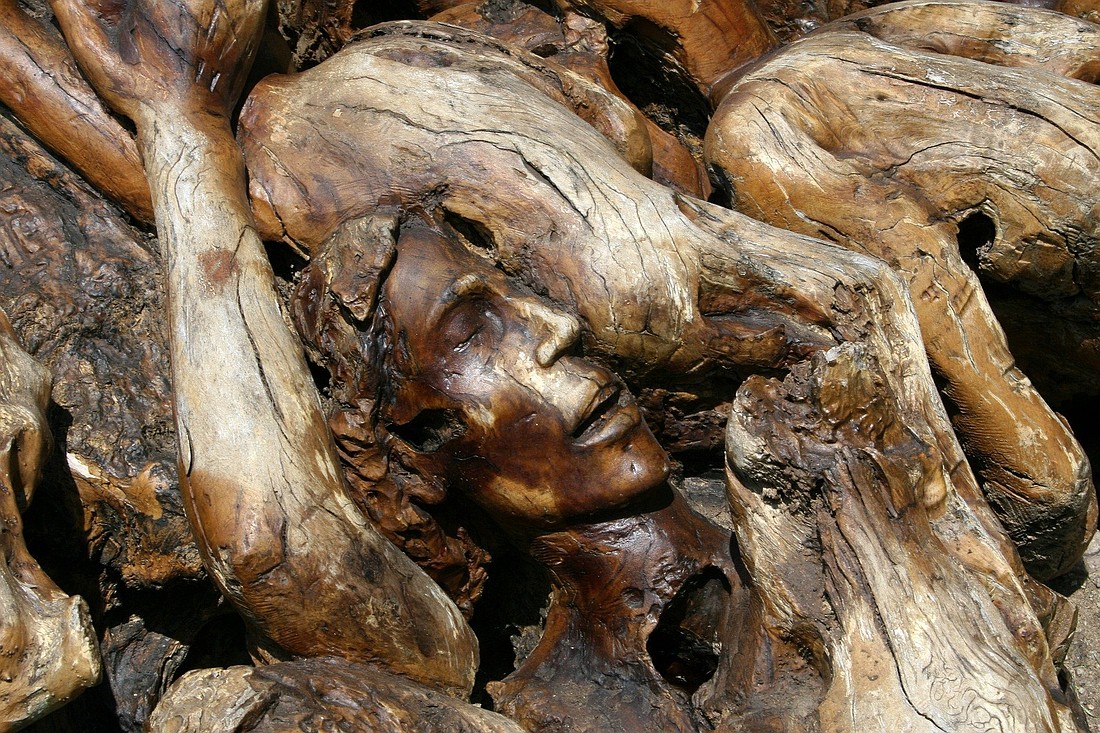
Q: At Mass we typically pray for the souls of "those in purgatory," often mentioning names of persons long since passed, sometimes 10 or even 20 years ago. Is there any way to know how long a person could be in purgatory? Could a deceased person still be in purgatory 20 years later? (Indiana)
A: Generally, there is no clear way to know whether or not someone is still in purgatory.
There is one major exception, of course. That is, the Church's process for canonizing saints is essentially a long discernment of whether or not the person in question is actually in heaven. If it is determined that the individual is now in heaven, it logically follows that they would no longer be in purgatory – if they were ever even there in the first place.
The Church's canonization process involves multiple stages, beginning with a careful review of the proposed saint's life, works and writings, to ensure that they were faithful to the Church's teachings and lived a life of "heroic virtue."
Following this, the Church looks for two miracles attributed to the proposed saint's intercession, as a sign that this person truly is in heaven. Any reported miracle is then carefully scrutinized by a team of experts to confirm that it is indeed a miracle, i.e. that it cannot be attributed to any natural cause. After the first verified miracle, the person is beatified and given the title "Blessed"; after a second miracle they are canonized and declared a saint.
The whole process can take decades and requires a great deal of dedication and resources, which is why the canonization process is generally only applied in cases where officially declaring a deceased member of the faithful a saint will have some special benefit for the Church in general. Obviously, the canonization process is not something you would invoke out of mere curiosity as to whether a person is still in purgatory.
Still, it's good to keep in mind that in our Catholic theology, any person now in heaven – whether they are known or unknown, famous or obscure – is technically a saint. This is one reason why we celebrate the solemnity of All Saints on Nov. 1 every year, even though individual canonized saints often already have their own feast days on the calendar. On All Saints' Day, we commemorate all the members of the faithful who are actually in heaven, although most of these saints are known only to God.
With respect to the other part of your question, it is entirely possible that a person may still be in purgatory 20 years after their death, or even longer. Reading your question, I was reminded of the apparitions of Our Lady of Fatima, where one of the visionaries reported that Our Lady told her that a recently deceased teenager from their village would be in purgatory until the end of the world!
But purgatory, like heaven and hell, is a state that exists outside of our earthly experience of time. So even if there was an easy way to determine whether or not someone is currently in purgatory, we couldn't really gauge that soul's spiritual progress there in terms of months, days or years.
I can understand why you might want to know whether someone is still in purgatory, especially when it comes to departed loved ones. Yet in our practical life of faith, we can still carry on peacefully even with this ambiguity.
For one thing, prayers for the dead are never wasted. If we pray for the repose of the soul for someone already in heaven who is thus no longer in need of prayer, we can be confident that those graces will be given to a soul in purgatory that does need it. Since there is really nothing to lose by praying for the dead, we can still fruitfully pray for the faithful departed, even if many years have passed since their death.
Jenna Marie Cooper, who holds a licentiate in canon law, is a consecrated virgin and a canonist whose column appears weekly at OSV News. Send your questions to [email protected].
Catholic journalism is needed now more than ever. Please consider supporting this work by signing up for a SUBSCRIPTION (click HERE) or making a DONATION to The Monitor (click HERE). Thank you for your contribution.
Related Stories
Saturday, December 13, 2025


E-Editions

Events
Q: At Mass we typically pray for the souls of "those in purgatory," often mentioning names of persons long since passed, sometimes 10 or even 20 years ago. Is there any way to know how long a person could be in purgatory? Could a deceased person still be in purgatory 20 years later? (Indiana)
A: Generally, there is no clear way to know whether or not someone is still in purgatory.
There is one major exception, of course. That is, the Church's process for canonizing saints is essentially a long discernment of whether or not the person in question is actually in heaven. If it is determined that the individual is now in heaven, it logically follows that they would no longer be in purgatory – if they were ever even there in the first place.
The Church's canonization process involves multiple stages, beginning with a careful review of the proposed saint's life, works and writings, to ensure that they were faithful to the Church's teachings and lived a life of "heroic virtue."
Following this, the Church looks for two miracles attributed to the proposed saint's intercession, as a sign that this person truly is in heaven. Any reported miracle is then carefully scrutinized by a team of experts to confirm that it is indeed a miracle, i.e. that it cannot be attributed to any natural cause. After the first verified miracle, the person is beatified and given the title "Blessed"; after a second miracle they are canonized and declared a saint.
The whole process can take decades and requires a great deal of dedication and resources, which is why the canonization process is generally only applied in cases where officially declaring a deceased member of the faithful a saint will have some special benefit for the Church in general. Obviously, the canonization process is not something you would invoke out of mere curiosity as to whether a person is still in purgatory.
Still, it's good to keep in mind that in our Catholic theology, any person now in heaven – whether they are known or unknown, famous or obscure – is technically a saint. This is one reason why we celebrate the solemnity of All Saints on Nov. 1 every year, even though individual canonized saints often already have their own feast days on the calendar. On All Saints' Day, we commemorate all the members of the faithful who are actually in heaven, although most of these saints are known only to God.
With respect to the other part of your question, it is entirely possible that a person may still be in purgatory 20 years after their death, or even longer. Reading your question, I was reminded of the apparitions of Our Lady of Fatima, where one of the visionaries reported that Our Lady told her that a recently deceased teenager from their village would be in purgatory until the end of the world!
But purgatory, like heaven and hell, is a state that exists outside of our earthly experience of time. So even if there was an easy way to determine whether or not someone is currently in purgatory, we couldn't really gauge that soul's spiritual progress there in terms of months, days or years.
I can understand why you might want to know whether someone is still in purgatory, especially when it comes to departed loved ones. Yet in our practical life of faith, we can still carry on peacefully even with this ambiguity.
For one thing, prayers for the dead are never wasted. If we pray for the repose of the soul for someone already in heaven who is thus no longer in need of prayer, we can be confident that those graces will be given to a soul in purgatory that does need it. Since there is really nothing to lose by praying for the dead, we can still fruitfully pray for the faithful departed, even if many years have passed since their death.
Jenna Marie Cooper, who holds a licentiate in canon law, is a consecrated virgin and a canonist whose column appears weekly at OSV News. Send your questions to [email protected].
Catholic journalism is needed now more than ever. Please consider supporting this work by signing up for a SUBSCRIPTION (click HERE) or making a DONATION to The Monitor (click HERE). Thank you for your contribution.