


Honoring the contributions of Hispanics
October 15, 2025 at 3:08 p.m.
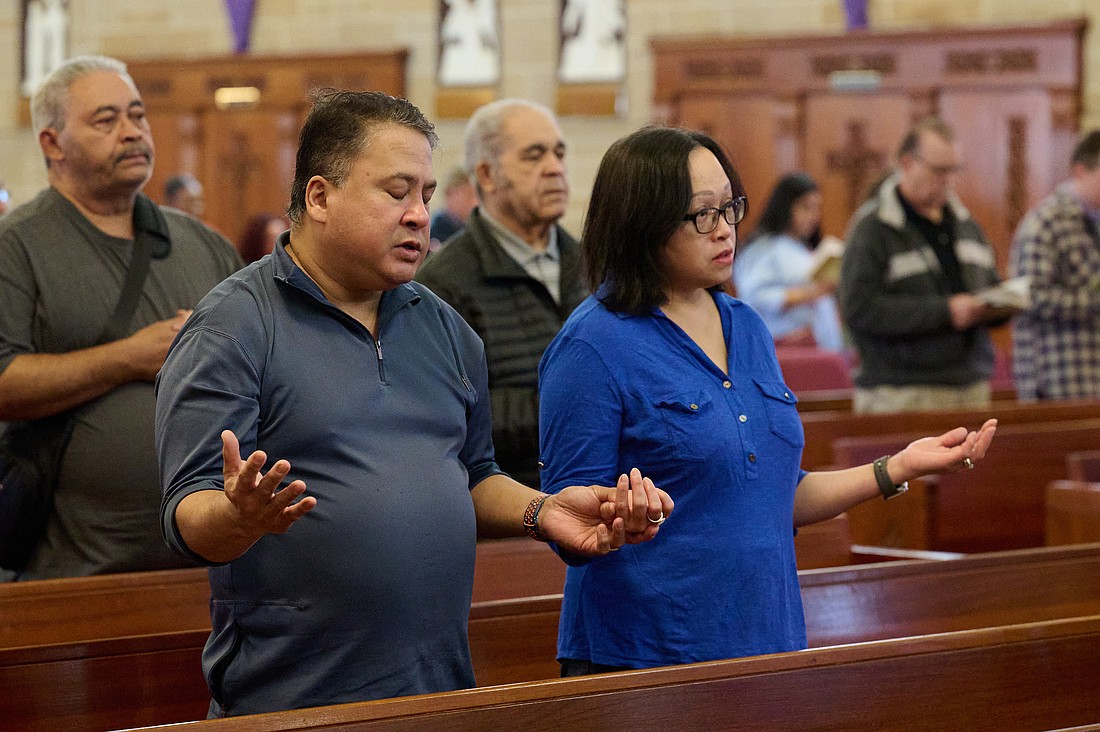
Hispanic Heritage Month is a topic that many Hispanics are unaware of or simply do not give importance to. Perhaps we have heard about it on television, but we simply relate it to one of the many political or cultural advertisements in the media.
Many of us don’t know that Hispanic Heritage Month is a 30-day celebration that honors the contributions Hispanics continually make in the United States at the level of history, academia, sports and culture. This celebration seeks to raise awareness of the contributions and importance of Hispanic culture in our nation, all the more important in this day when our Hispanic identity is under attack.
Hispanics and the church
At the level of faith, we can easily recognize the contributions of Hispanic Catholic culture in the construction of the Church and the values of the Gospel in the midst of a society currently marked by divisions. But indirectly, this pastoral work is fully connected to the building of a civil community, with members aware of their obligations as citizens and committed to healthy coexistence and peace. Hispanic Heritage Month should serve as motivation to raise awareness of the value of Hispanic culture in all spheres of national coexistence, as we all appreciate and understand the positive impact that the Catholic faith has on life and the healthy development of civic activities. In the Catholic environment, each person must assume his or her role and highlight the importance of our daily efforts.
Hispanic Heritage Month is not merely about talking about the past, present or future, it is one of the most precious opportunities we have to refresh the neglected impact of the Hispanic contributions of the past, connecting them with those of the present and motivating the work and effort of our people toward the future.
The U.S. Census Bureau estimates that as of July 1, 2024, the Hispanic population in the United States was 68.1 million, representing 20 percent of the country’s population. The Hispanic population grew by 2.9 million compared to 2023 estimates. The Hispanic community is the largest racial or ethnic group in the country. Although not publicly recognized, Hispanics continue to help boost the economy and enrich our country as entrepreneurs, athletes, artists, scientists, public officials, priests, educators, cooks, gardeners, builders, and more.
Many impacts
The contributions of the Hispanic community are an essential part of the American workforce and cannot be reduced exclusively to the proportional increase of the Hispanic population in the country. This contribution boosts key sectors such as agriculture, construction and services. Hispanics are also entrepreneurs, with millions of businesses in the United States that contribute significantly to this economy. If the Hispanic contribution to the gross domestic product of the U.S. were viewed on its own, it would be the fifth-largest economy in the world. This growth of Hispanics also has increased purchasing power, which strengthens the economy through consumption. All this without mentioning all the athletes, artists, actors, actresses, and others, who every day make us proud with their contributions to culture, music and art at a national and international level.
Historically, the Catholic Church has cultivated a crucial role in the formation of law, culture, and philosophical and academic thought. Today, the role of our catholicity remains relevant as we continue to engage in debates on controversial issues and to defend human rights nationally and, through the Vatican, internationally. Hispanic Catholics continue to influence civil life through education, social assistance, charitable works, hospitals and shelters, morality and ethics, molding values and principles about human life, its dignity, and justice. It is a pastoral work that must persist for the good of the peoples.
When we think of our contributions to humanity, let us remember to always seek to do good without looking at who benefits.
Father Cardenas is parochial vicar of St. Joseph Parish, Toms River.
Related Stories
Sunday, December 28, 2025


E-Editions
Events
Hispanic Heritage Month is a topic that many Hispanics are unaware of or simply do not give importance to. Perhaps we have heard about it on television, but we simply relate it to one of the many political or cultural advertisements in the media.
Many of us don’t know that Hispanic Heritage Month is a 30-day celebration that honors the contributions Hispanics continually make in the United States at the level of history, academia, sports and culture. This celebration seeks to raise awareness of the contributions and importance of Hispanic culture in our nation, all the more important in this day when our Hispanic identity is under attack.
Hispanics and the church
At the level of faith, we can easily recognize the contributions of Hispanic Catholic culture in the construction of the Church and the values of the Gospel in the midst of a society currently marked by divisions. But indirectly, this pastoral work is fully connected to the building of a civil community, with members aware of their obligations as citizens and committed to healthy coexistence and peace. Hispanic Heritage Month should serve as motivation to raise awareness of the value of Hispanic culture in all spheres of national coexistence, as we all appreciate and understand the positive impact that the Catholic faith has on life and the healthy development of civic activities. In the Catholic environment, each person must assume his or her role and highlight the importance of our daily efforts.
Hispanic Heritage Month is not merely about talking about the past, present or future, it is one of the most precious opportunities we have to refresh the neglected impact of the Hispanic contributions of the past, connecting them with those of the present and motivating the work and effort of our people toward the future.
The U.S. Census Bureau estimates that as of July 1, 2024, the Hispanic population in the United States was 68.1 million, representing 20 percent of the country’s population. The Hispanic population grew by 2.9 million compared to 2023 estimates. The Hispanic community is the largest racial or ethnic group in the country. Although not publicly recognized, Hispanics continue to help boost the economy and enrich our country as entrepreneurs, athletes, artists, scientists, public officials, priests, educators, cooks, gardeners, builders, and more.
Many impacts
The contributions of the Hispanic community are an essential part of the American workforce and cannot be reduced exclusively to the proportional increase of the Hispanic population in the country. This contribution boosts key sectors such as agriculture, construction and services. Hispanics are also entrepreneurs, with millions of businesses in the United States that contribute significantly to this economy. If the Hispanic contribution to the gross domestic product of the U.S. were viewed on its own, it would be the fifth-largest economy in the world. This growth of Hispanics also has increased purchasing power, which strengthens the economy through consumption. All this without mentioning all the athletes, artists, actors, actresses, and others, who every day make us proud with their contributions to culture, music and art at a national and international level.
Historically, the Catholic Church has cultivated a crucial role in the formation of law, culture, and philosophical and academic thought. Today, the role of our catholicity remains relevant as we continue to engage in debates on controversial issues and to defend human rights nationally and, through the Vatican, internationally. Hispanic Catholics continue to influence civil life through education, social assistance, charitable works, hospitals and shelters, morality and ethics, molding values and principles about human life, its dignity, and justice. It is a pastoral work that must persist for the good of the peoples.
When we think of our contributions to humanity, let us remember to always seek to do good without looking at who benefits.
Father Cardenas is parochial vicar of St. Joseph Parish, Toms River.