


Changing demographics, technology challenge all Christians, Pope says
November 6, 2025 at 1:36 p.m.
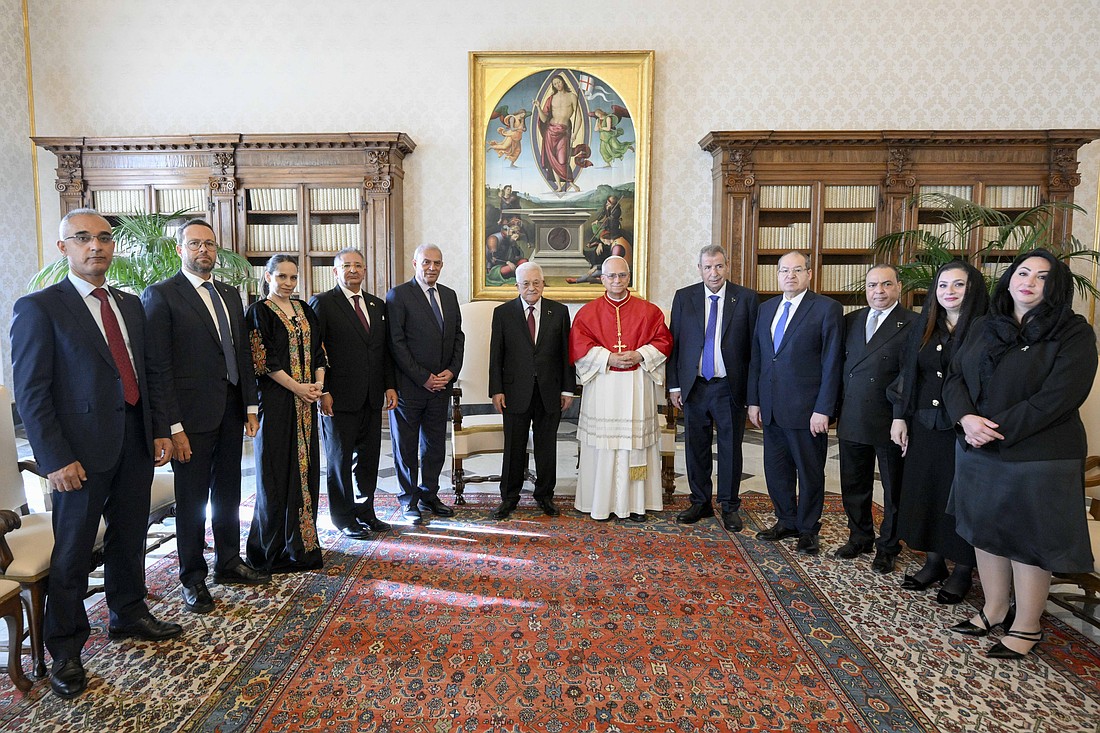
VATICAN CITY CNS – The changing landscape of Christianity in Europe, with growth in some countries and continued decline in others, poses challenges that all Churches should face together, Pope Leo XIV told Christian leaders.
War and violence, the arrival of migrants – Christian or not – and the rapid spread of new technology also call for a coordinated response, the Pope told members of the Joint Committee of the Council of European Bishops' Conferences and the Conference of European Churches.
The group of Catholic bishops and representatives of the Protestant, Anglican and Orthodox Churches in Europe met Pope Leo Nov. 6, the day after they had signed a revised and updated "Charta Oecumenica" (Ecumenical Charter).
With many new voices to be heard, "not to mention the urgency of promoting dialogue, concord and fraternity amidst the din of violence and war," the Pope said, Christians must constantly discern the best ways to fulfill Jesus' great commission to "make disciples of all nations, baptizing them in the name of the Father and of the Son and of the Holy Spirit."
"In all these situations," he said, "the grace, mercy and peace of the Lord are indeed vital, for only divine help will show us the most convincing way to proclaim Christ in these changing contexts."
The charter commits the Churches and Christian communities to joint prayer and service, to working more diligently toward Christian unity, to defending the religious freedom of all people and to examining the possibility of greater flexibility in "mutual Eucharistic hospitality," a sharing of Communion that the Catholic and Orthodox Churches generally see as the goal of Christian unity rather than as a step on the way.
The European Christian leaders vowed to increase their efforts to fight antisemitism and anti-Judaism, to promote dialogue with the continent's Muslim communities and to fight religious extremism.
They promised to work together to promote and defend human dignity, to welcome and help integrate migrants, to safeguard the environment and "to foster digital literacy and critical engagement with technology," including by working with governments and tech companies to ensure the ethical use of artificial intelligence.
Pope Leo told the leaders that the charter "is a testimony to the willingness of the Churches in Europe to look at our history through the eyes of Christ."
"Moreover," he said, "with the help of the Holy Spirit, we will be able to understand where we have succeeded, where we have fallen short, and where we must go in order to proclaim the Gospel anew."
In addition to the suggestions and commitments, he said, the charter also carries strong reminders that Christians must accompany one another in seeking to do God's will and being open "to the promptings and surprises of the Holy Spirit!"
Catholic journalism is needed now more than ever. Please consider supporting this work by signing up for a SUBSCRIPTION (click HERE) or making a DONATION to The Monitor (click HERE). Thank you for your contribution.
Related Stories
Monday, December 29, 2025

E-Editions
Events
VATICAN CITY CNS – The changing landscape of Christianity in Europe, with growth in some countries and continued decline in others, poses challenges that all Churches should face together, Pope Leo XIV told Christian leaders.
War and violence, the arrival of migrants – Christian or not – and the rapid spread of new technology also call for a coordinated response, the Pope told members of the Joint Committee of the Council of European Bishops' Conferences and the Conference of European Churches.
The group of Catholic bishops and representatives of the Protestant, Anglican and Orthodox Churches in Europe met Pope Leo Nov. 6, the day after they had signed a revised and updated "Charta Oecumenica" (Ecumenical Charter).
With many new voices to be heard, "not to mention the urgency of promoting dialogue, concord and fraternity amidst the din of violence and war," the Pope said, Christians must constantly discern the best ways to fulfill Jesus' great commission to "make disciples of all nations, baptizing them in the name of the Father and of the Son and of the Holy Spirit."
"In all these situations," he said, "the grace, mercy and peace of the Lord are indeed vital, for only divine help will show us the most convincing way to proclaim Christ in these changing contexts."
The charter commits the Churches and Christian communities to joint prayer and service, to working more diligently toward Christian unity, to defending the religious freedom of all people and to examining the possibility of greater flexibility in "mutual Eucharistic hospitality," a sharing of Communion that the Catholic and Orthodox Churches generally see as the goal of Christian unity rather than as a step on the way.
The European Christian leaders vowed to increase their efforts to fight antisemitism and anti-Judaism, to promote dialogue with the continent's Muslim communities and to fight religious extremism.
They promised to work together to promote and defend human dignity, to welcome and help integrate migrants, to safeguard the environment and "to foster digital literacy and critical engagement with technology," including by working with governments and tech companies to ensure the ethical use of artificial intelligence.
Pope Leo told the leaders that the charter "is a testimony to the willingness of the Churches in Europe to look at our history through the eyes of Christ."
"Moreover," he said, "with the help of the Holy Spirit, we will be able to understand where we have succeeded, where we have fallen short, and where we must go in order to proclaim the Gospel anew."
In addition to the suggestions and commitments, he said, the charter also carries strong reminders that Christians must accompany one another in seeking to do God's will and being open "to the promptings and surprises of the Holy Spirit!"
Catholic journalism is needed now more than ever. Please consider supporting this work by signing up for a SUBSCRIPTION (click HERE) or making a DONATION to The Monitor (click HERE). Thank you for your contribution.