


Mary, Mother of the Faithful people of God: a Doctrinal Reflection
November 4, 2025 at 11:49 a.m.
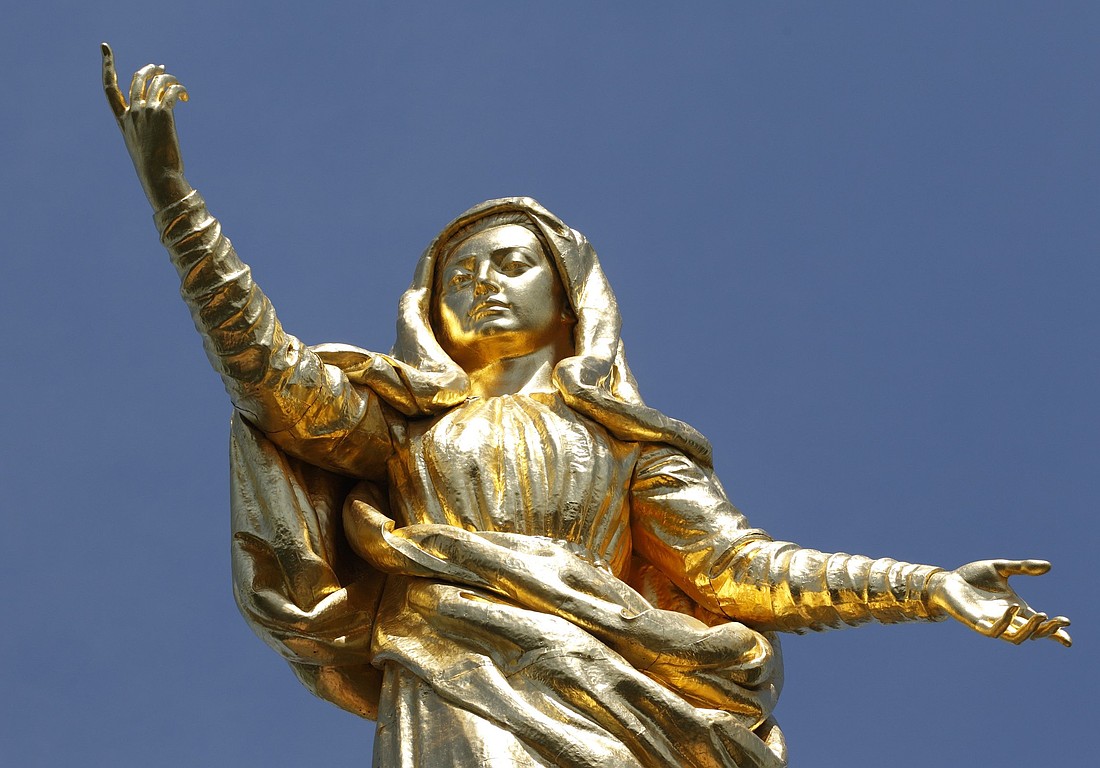
A doctrinal reflection by Bishop David M. O’Connell, C.M.
On November 4, the Dicastery for the Doctrine of the Faith released a new “doctrinal note” on the Blessed Virgin Mary, entitled Mater Populi Fidelis (“Mother of the Faithful People of God”).
A doctrinal note is an official teaching document of the Dicastery, intended to clarify and safeguard Catholic teaching on particular questions. Unlike legislative or devotional texts, such notes focus on doctrinal accuracy, offering guidance to bishops, pastors, and theologians as they carry out their teaching mission. They serve the unity of faith by addressing misunderstandings and providing clear reference points for the Church’s life and witness with ecumenical sensitivity.
This new note reflects Mary’s role in the mystery of salvation. Without introducing new doctrine or dogmas, it seeks to balance heartfelt devotion with theological precision. It reaffirms Mary as a model of faith and a maternal intercessor, while carefully situating her cooperation in salvation history within the unique and all-sufficient redemptive work of Christ. In doing so, it also addresses with sensitivity the debated title of “Co-Redemptrix,” clarifying its meaning in light of the Church’s tradition.
Mater Populi Fidelis stands within a long line of Marian theological reflection, from the Second Vatican Council’s “Dogmatic Constitution on the Church” Lumen Gentium (Chapter VIII) to Pope St. John Paul II’s encyclical Redemptoris Mater (1987). It continues the Church’s meditation on Mary’s “yes” to God and her presence at the Cross, both of which remain central to Catholic spirituality and doctrine.
Recent popes have consistently affirmed Mary’s singular cooperation in salvation, always emphasizing that it is entirely dependent on and subordinate to Christ’s redeeming act. Pope St. John Paul II often employed stronger Marian language, Popes Benedict XVI and Francis spoke with greater caution, and Pope Leo XIV now encourages renewed study while maintaining theological balance. In this trajectory, Mater Populi Fidelis honors Mary’s maternal role with clarity and reverence, while avoiding doctrinal exaggeration.
Here are some highlights of the doctrinal note to look for in the text:
“Mary is rightly called ‘Mother of the Faithful People of God,’ not because she generates the Church biologically, but because she accompanies it maternally in its journey of faith (para. 6).” This quote encapsulates the central theme of the note: Mary’s spiritual motherhood is rooted in her faith and obedience, not in biological generation.
“Mary’s faith at the Annunciation is the beginning of the Church’s journey in faith (para. 6).” This highlights how Mary’s personal ‘yes’ to God marks the origin of the Church’s life of faith.
“The holy Fathers see Mary not merely as a passive instrument in the hands of God, but as freely cooperating in the work of human salvation through faith and obedience (para.7).” This echoes the teaching of the Second Vatican Council and affirms Mary’s active role in salvation history.
“Mary’s cooperation in the work of salvation is always subordinate to and dependent upon the unique mediation of Christ ((para. 8).” This clarifies that while Mary plays a vital role, it does not rival or replace Christ’s redemptive work.
“Her intercession is not magical intervention, but the fruit of her union with Christ and her love for his Body (para. 8).” This clarifies the nature of Marian intercession, avoiding superstition while affirming her spiritual power.
“The title ‘Co-redemptrix’ is not to be used in official Church teaching, as it risks obscuring the singular role of Christ as Redeemer (para. 9).” The note explicitly discourages this controversial title, emphasizing theological precision and unity.
“Mary is the first disciple, the one who believed, loved, and followed Christ most perfectly (para. 10).” This quote elevates Mary as a model for all believers, reinforcing her maternal closeness to the faithful.
“She is the place where only God can reach, the living water that flows, the love that gives itself in the world (para. 11).” A poetic reflection on Mary’s mystical role in the life of the Church and her intimate union with divine grace.
“Mary’s faith at the Annunciation is the beginning of the Church’s journey in faith (para. 6).” This highlights how Mary’s personal ‘yes’ to God marks the origin of the Church’s life of faith
“She is the memory of the Church, the one who treasures and ponders the mysteries of Christ (para. 11).” This poetic line emphasizes Mary’s contemplative role and her spiritual intimacy with Christ.
“In her, the People of God recognize the perfect image of what they are called to become (para. 12).” Mary is presented as the model of holiness and discipleship for all Christians.”
“Mary’s maternal presence is not a theological abstraction but a lived reality in the life of the faithful (para. 12).” This grounds Marian devotion in everyday experience, not just doctrine.
“The Church walks with Mary, not behind her, for she is the companion of the pilgrim people (para. 12).” A beautiful expression of Mary’s closeness and solidarity with the faithful.
May this beautiful doctrinal note yield a deeper understanding of our Blessed Mother and her role in and for the Church as Mother of the faithful people of God.. And, as always, may our Marian meditation, devotion and prayer lead us to her Beloved Son, our Lord Jesus Christ. Amen.
 Mary, mother of Jesus and all believers, is not co-redeemer, Vatican says
Monday, December 29, 2025



E-Editions
Events
A doctrinal reflection by Bishop David M. O’Connell, C.M.
On November 4, the Dicastery for the Doctrine of the Faith released a new “doctrinal note” on the Blessed Virgin Mary, entitled Mater Populi Fidelis (“Mother of the Faithful People of God”).
A doctrinal note is an official teaching document of the Dicastery, intended to clarify and safeguard Catholic teaching on particular questions. Unlike legislative or devotional texts, such notes focus on doctrinal accuracy, offering guidance to bishops, pastors, and theologians as they carry out their teaching mission. They serve the unity of faith by addressing misunderstandings and providing clear reference points for the Church’s life and witness with ecumenical sensitivity.
This new note reflects Mary’s role in the mystery of salvation. Without introducing new doctrine or dogmas, it seeks to balance heartfelt devotion with theological precision. It reaffirms Mary as a model of faith and a maternal intercessor, while carefully situating her cooperation in salvation history within the unique and all-sufficient redemptive work of Christ. In doing so, it also addresses with sensitivity the debated title of “Co-Redemptrix,” clarifying its meaning in light of the Church’s tradition.
Mater Populi Fidelis stands within a long line of Marian theological reflection, from the Second Vatican Council’s “Dogmatic Constitution on the Church” Lumen Gentium (Chapter VIII) to Pope St. John Paul II’s encyclical Redemptoris Mater (1987). It continues the Church’s meditation on Mary’s “yes” to God and her presence at the Cross, both of which remain central to Catholic spirituality and doctrine.
Recent popes have consistently affirmed Mary’s singular cooperation in salvation, always emphasizing that it is entirely dependent on and subordinate to Christ’s redeeming act. Pope St. John Paul II often employed stronger Marian language, Popes Benedict XVI and Francis spoke with greater caution, and Pope Leo XIV now encourages renewed study while maintaining theological balance. In this trajectory, Mater Populi Fidelis honors Mary’s maternal role with clarity and reverence, while avoiding doctrinal exaggeration.
Here are some highlights of the doctrinal note to look for in the text:
“Mary is rightly called ‘Mother of the Faithful People of God,’ not because she generates the Church biologically, but because she accompanies it maternally in its journey of faith (para. 6).” This quote encapsulates the central theme of the note: Mary’s spiritual motherhood is rooted in her faith and obedience, not in biological generation.
“Mary’s faith at the Annunciation is the beginning of the Church’s journey in faith (para. 6).” This highlights how Mary’s personal ‘yes’ to God marks the origin of the Church’s life of faith.
“The holy Fathers see Mary not merely as a passive instrument in the hands of God, but as freely cooperating in the work of human salvation through faith and obedience (para.7).” This echoes the teaching of the Second Vatican Council and affirms Mary’s active role in salvation history.
“Mary’s cooperation in the work of salvation is always subordinate to and dependent upon the unique mediation of Christ ((para. 8).” This clarifies that while Mary plays a vital role, it does not rival or replace Christ’s redemptive work.
“Her intercession is not magical intervention, but the fruit of her union with Christ and her love for his Body (para. 8).” This clarifies the nature of Marian intercession, avoiding superstition while affirming her spiritual power.
“The title ‘Co-redemptrix’ is not to be used in official Church teaching, as it risks obscuring the singular role of Christ as Redeemer (para. 9).” The note explicitly discourages this controversial title, emphasizing theological precision and unity.
“Mary is the first disciple, the one who believed, loved, and followed Christ most perfectly (para. 10).” This quote elevates Mary as a model for all believers, reinforcing her maternal closeness to the faithful.
“She is the place where only God can reach, the living water that flows, the love that gives itself in the world (para. 11).” A poetic reflection on Mary’s mystical role in the life of the Church and her intimate union with divine grace.
“Mary’s faith at the Annunciation is the beginning of the Church’s journey in faith (para. 6).” This highlights how Mary’s personal ‘yes’ to God marks the origin of the Church’s life of faith
“She is the memory of the Church, the one who treasures and ponders the mysteries of Christ (para. 11).” This poetic line emphasizes Mary’s contemplative role and her spiritual intimacy with Christ.
“In her, the People of God recognize the perfect image of what they are called to become (para. 12).” Mary is presented as the model of holiness and discipleship for all Christians.”
“Mary’s maternal presence is not a theological abstraction but a lived reality in the life of the faithful (para. 12).” This grounds Marian devotion in everyday experience, not just doctrine.
“The Church walks with Mary, not behind her, for she is the companion of the pilgrim people (para. 12).” A beautiful expression of Mary’s closeness and solidarity with the faithful.
May this beautiful doctrinal note yield a deeper understanding of our Blessed Mother and her role in and for the Church as Mother of the faithful people of God.. And, as always, may our Marian meditation, devotion and prayer lead us to her Beloved Son, our Lord Jesus Christ. Amen.