


Father Koch: Guided by the Holy Spirit, the Church stands always in need of renewal
May 23, 2025 at 8:00 a.m.
Gospel reflection for May 25, 2025, Sixth Sunday of Easter
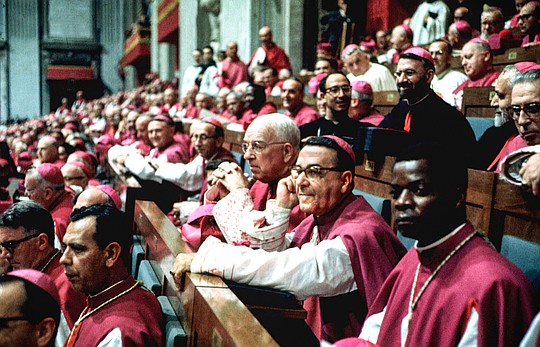
This month we are observing the 1700th anniversary of the first Ecumenical Council – Nicaea I, which was called by the Emperor Constantine. The council began meeting in May 325 and continued until July that year. The council met to respond to the dogmatic challenges of three centuries of development without clear direction, which resulted in differences in language and understanding of the Gospel, the nature of Jesus, and the role of the Holy Spirit. Like the disciples gathered in Jerusalem, as we see in the First Reading, to settle a dispute over the teaching of Paul, the Church always renews through careful study and discernment.
Over the life of the Church, there have been 21 such councils, the most recent of which was Vatican II (1962-65) which addressed the life of the Church in the modern world. Now again, like the early Church, we must be willing to proclaim anew to every age the Gospel that Jesus left with us. This stands at the heart of the new evangelization.
Pope Francis called for a sense of this on-going renewal through the process of synodality. This new term in the ecclesial lexicon already means different things to the different groups of people in the Church. For some this is a hot button of fear, and for others it is a source of renewal and regeneration.
At the moment that Pope Leo XIV emerged on the loggia to greet the world, he used the term synodality as a commitment of his papacy. Just this past week, as he spoke with religious leaders, Pope Leo commented: “I would like to assure you of my intention to continue Pope Francis’ commitment to promoting the synodal nature of the Catholic Church and developing new and concrete forms for an ever stronger synodality in ecumenical relations.”
Synodality as such consists of three essential elements: Communion: the unity and bonds of the Church, both with God and among each other and sharing, and supporting one another in faith; Participation: the active involvement of the whole Church in the life and decision-making of the community, a process of listening, discerning, and responding to the needs of the Church and the world and; Mission, sharing the Gospel and make disciples with each member playing their distinct role in building up the Kingdom of God.
While it sounds bureaucratic and cumbersome, as it is grounded in faith and focused on the Kingdom of God, it is a process that should bring a new life to the way in which the church responds to the realities of the modern world.
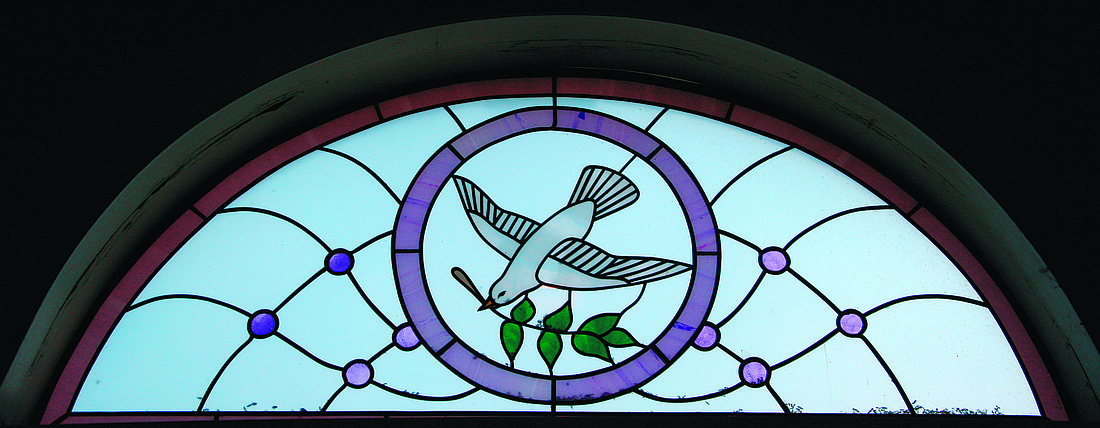
Foundationally the Church is built upon Jesus Christ and the promise that Jesus would remain with the church always. The Holy Spirit, the Paraclete directs the life of the Church and leads us always towards a greater understanding of the Kingdom and how to live out our faith in a constantly changing world.
Pope Leo has already touched on this as he addressed various constituencies already, and certainly will continue to do so.
In the Last Supper discourses in John’s Gospel (chapters 13 - 18) Jesus repeatedly instructs the disciples to love one another. The source of this love is God’s love for us; Jesus’s love and obedience to the Father; and our response in love to abide (or reside) in Jesus.
As spiritual virtues fear stands as an opposition to love.
Jesus says to the disciples: “I have told you this while I am with you. The Advocate, the Holy Spirit, whom the Father will send in my name, will teach you everything and remind you of all that I told you. Peace I leave with you; my peace I give to you. Not as the world gives do I give it to you. Do not let your hearts be troubled or afraid.”
There are many who live in fear of the synodal process and the movement within the church towards renewal, and new modalities of evangelization. Synodality is fundamentally a process to listen to the Holy Spirit -- the Advocate -- who remains with the church and leads us along the path to the Kingdom. There is uncertainty now, just as there was suspicion and uncertainty among the apostles assembled in Jerusalem as they addressed the first great crises in the faith. In May of 325 there were more members of the Council in Nicaea who held to a view that the council itself ultimately rejected concerning the very nature of Jesus in relation to the Father. Yet, through the process -- as messy as it was -- the orthodox position prevailed.
We cannot be afraid, or troubled as the Spirit guides us along the path into the unknown but certain Kingdom of God.
Father Garry Koch is pastor of St. Benedict Parish, Holmdel.
Related Stories
Friday, December 05, 2025
E-Editions
Events
Gospel reflection for May 25, 2025, Sixth Sunday of Easter
This month we are observing the 1700th anniversary of the first Ecumenical Council – Nicaea I, which was called by the Emperor Constantine. The council began meeting in May 325 and continued until July that year. The council met to respond to the dogmatic challenges of three centuries of development without clear direction, which resulted in differences in language and understanding of the Gospel, the nature of Jesus, and the role of the Holy Spirit. Like the disciples gathered in Jerusalem, as we see in the First Reading, to settle a dispute over the teaching of Paul, the Church always renews through careful study and discernment.
Over the life of the Church, there have been 21 such councils, the most recent of which was Vatican II (1962-65) which addressed the life of the Church in the modern world. Now again, like the early Church, we must be willing to proclaim anew to every age the Gospel that Jesus left with us. This stands at the heart of the new evangelization.
Pope Francis called for a sense of this on-going renewal through the process of synodality. This new term in the ecclesial lexicon already means different things to the different groups of people in the Church. For some this is a hot button of fear, and for others it is a source of renewal and regeneration.
At the moment that Pope Leo XIV emerged on the loggia to greet the world, he used the term synodality as a commitment of his papacy. Just this past week, as he spoke with religious leaders, Pope Leo commented: “I would like to assure you of my intention to continue Pope Francis’ commitment to promoting the synodal nature of the Catholic Church and developing new and concrete forms for an ever stronger synodality in ecumenical relations.”
Synodality as such consists of three essential elements: Communion: the unity and bonds of the Church, both with God and among each other and sharing, and supporting one another in faith; Participation: the active involvement of the whole Church in the life and decision-making of the community, a process of listening, discerning, and responding to the needs of the Church and the world and; Mission, sharing the Gospel and make disciples with each member playing their distinct role in building up the Kingdom of God.
While it sounds bureaucratic and cumbersome, as it is grounded in faith and focused on the Kingdom of God, it is a process that should bring a new life to the way in which the church responds to the realities of the modern world.
Foundationally the Church is built upon Jesus Christ and the promise that Jesus would remain with the church always. The Holy Spirit, the Paraclete directs the life of the Church and leads us always towards a greater understanding of the Kingdom and how to live out our faith in a constantly changing world.
Pope Leo has already touched on this as he addressed various constituencies already, and certainly will continue to do so.
In the Last Supper discourses in John’s Gospel (chapters 13 - 18) Jesus repeatedly instructs the disciples to love one another. The source of this love is God’s love for us; Jesus’s love and obedience to the Father; and our response in love to abide (or reside) in Jesus.
As spiritual virtues fear stands as an opposition to love.
Jesus says to the disciples: “I have told you this while I am with you. The Advocate, the Holy Spirit, whom the Father will send in my name, will teach you everything and remind you of all that I told you. Peace I leave with you; my peace I give to you. Not as the world gives do I give it to you. Do not let your hearts be troubled or afraid.”
There are many who live in fear of the synodal process and the movement within the church towards renewal, and new modalities of evangelization. Synodality is fundamentally a process to listen to the Holy Spirit -- the Advocate -- who remains with the church and leads us along the path to the Kingdom. There is uncertainty now, just as there was suspicion and uncertainty among the apostles assembled in Jerusalem as they addressed the first great crises in the faith. In May of 325 there were more members of the Council in Nicaea who held to a view that the council itself ultimately rejected concerning the very nature of Jesus in relation to the Father. Yet, through the process -- as messy as it was -- the orthodox position prevailed.
We cannot be afraid, or troubled as the Spirit guides us along the path into the unknown but certain Kingdom of God.
Father Garry Koch is pastor of St. Benedict Parish, Holmdel.