


Three years after Dobbs, states still navigating abortion policy changes
June 20, 2025 at 1:41 p.m.
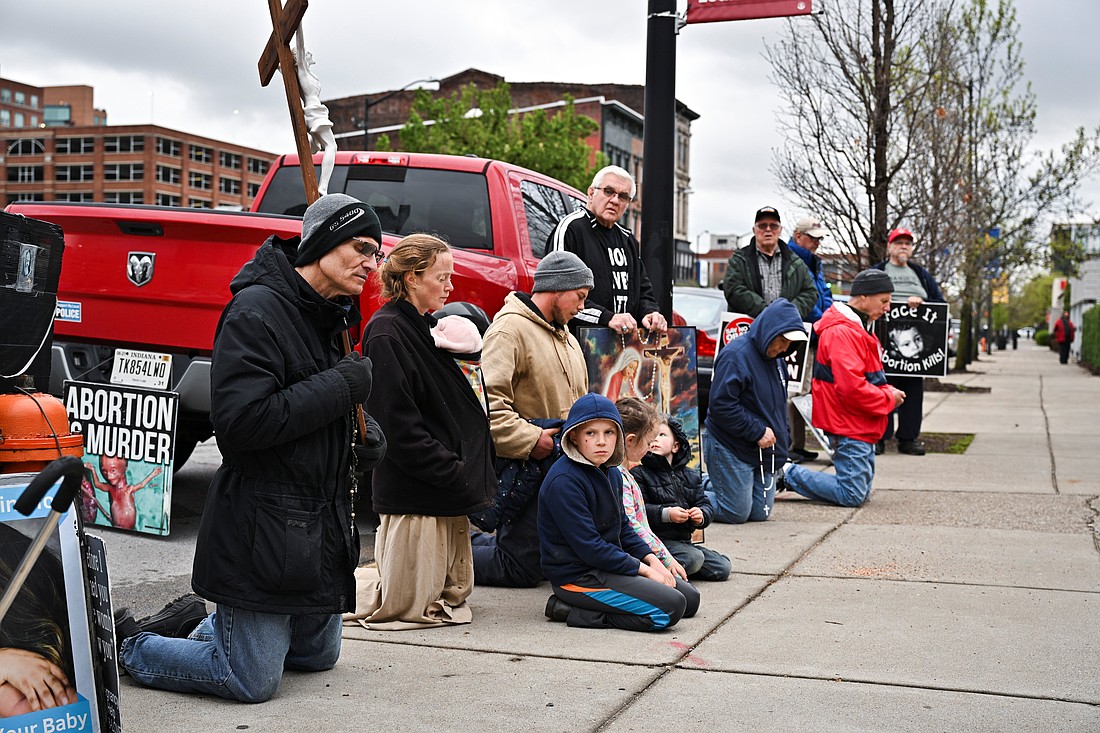
WASHINGTON OSV News – Three years after a landmark decision by the U.S. Supreme Court to overturn its prior abortion precedent, states have enacted or considered differing legislation surrounding the issue of abortion.
Since the Supreme Court's Dobbs v. Jackson Women's Health Organization decision was issued June 24, 2022, 12 states have banned abortion, while another six limit it at some point between six to 12 weeks gestation.
"As we are celebrating, we are also getting ready for the work that we have left to do," said Kelsey Pritchard, state public affairs director for SBA Pro-Life America, a pro-life advocacy organization.
"We recognize how much work is ahead, with the number of abortions increasing since the Dobbs decision, because we're now at 1.1 million abortions annually," she said.
According to the Guttmacher Institute, in 2024 there were 1,038,100 clinician-provided abortions in the United States, an increase of less than 1% from 2023.
The Dobbs case involved a Mississippi law banning abortion after 15 weeks, in which the state directly challenged the high court's previous abortion-related precedents in Roe v. Wade (1973) and Planned Parenthood v. Casey (1992). The Supreme Court ultimately overturned its own prior rulings, undoing nearly a half-century of its own precedent on the issue and returning it to state legislatures.
"There is a federal role broadly on the issue of abortion," Pritchard said, pointing to ongoing federal funding for Planned Parenthood, the nation's largest abortion provider, and that "those in Washington should be emboldened by the pro-life progress made by their legislators in their states, and be equally committed to act boldly."
While many states have wrapped their regular legislative sessions for the year, Pritchard pointed to some that have enacted laws her organization supports, including what advocates call a medical education or "med ed" bill that directs the state to clarify the state's abortion regulations for health care professionals and the general public.
"Those are bills that essentially make it clear that if you are in a pro-life state under your pro-life law and you are pregnant, you can continue to receive emergency care for ectopic pregnancy, for miscarriage, for any other medical emergency, as you did prior to the Dobbs decision," Pritchard said, noting one such bill in Texas was approved by the Legislature but has yet to be signed by Republican Gov. Greg Abbott.
In April, Tennessee's Republican Gov. Bill Lee approved legislation supporters said would clarify medical exceptions to the state's ban, but opponents said would further restrict abortion. In March, Kentucky lawmakers overrode Democratic Gov. Andy Beshear's veto of House Bill 90, similar legislation.
Arkansas, which has an abortion ban in place, also approved legislation in April to prohibit abortion based on the race of the unborn child. That bill was designed to be in place in the event the overall abortion ban was blocked or overturned.
Conversely, other states have moved to reduce barriers to abortion. Gov. Jared Polis, D-Colo., signed legislation in April that enshrined access to abortion in the state constitution and permitted the use of public funds for abortions.
Asked about her concerns about efforts concerning the issue of abortion at the state level, Pritchard said, "We can expect some more bad abortion ballot measures in 2026."
In 2024, voters approved most of the referendums to expand legal protections for abortion in Arizona, Colorado, Montana, Nevada, Missouri, and related measures in Maryland and New York. But Florida, Nebraska and South Dakota rejected such measures, defying a trend from elections in 2022 and 2023.
A potential 2026 ballot measure in Virginia would amend the Virginia Constitution to establish a right to reproductive freedom, which it would define as "the right to make and effectuate one's own decisions about all matters related to one's pregnancy." In Virginia, amendments to the commonwealth's constitution must be approved by the General Assembly twice in at least two years, after which the public can vote by referendum.
Pritchard said SBA plans to work against the ballot measure's passage in Virginia.
"There's potential, really, for any abortion ballot measure in any state that has a process that allows citizens to pass amendments or laws that way," she said.
The Catholic Church teaches that all human life is sacred from conception to natural death, and as such, opposes direct abortion. After the Dobbs decision, Church officials in the U.S. have reiterated the Church's concern for both mother, and child and called to strengthen available support for those living in poverty or other causes that can push women toward having an abortion.
Kate Scanlon is a national reporter for OSV News covering Washington. Follow her on X @kgscanlon.
The Church needs quality Catholic journalism now more than ever. Please consider supporting this work by signing up for a SUBSCRIPTION (click HERE) or making a DONATION to The Monitor (click HERE). Thank you for your support.
Related Stories
Saturday, December 13, 2025


E-Editions
Events
WASHINGTON OSV News – Three years after a landmark decision by the U.S. Supreme Court to overturn its prior abortion precedent, states have enacted or considered differing legislation surrounding the issue of abortion.
Since the Supreme Court's Dobbs v. Jackson Women's Health Organization decision was issued June 24, 2022, 12 states have banned abortion, while another six limit it at some point between six to 12 weeks gestation.
"As we are celebrating, we are also getting ready for the work that we have left to do," said Kelsey Pritchard, state public affairs director for SBA Pro-Life America, a pro-life advocacy organization.
"We recognize how much work is ahead, with the number of abortions increasing since the Dobbs decision, because we're now at 1.1 million abortions annually," she said.
According to the Guttmacher Institute, in 2024 there were 1,038,100 clinician-provided abortions in the United States, an increase of less than 1% from 2023.
The Dobbs case involved a Mississippi law banning abortion after 15 weeks, in which the state directly challenged the high court's previous abortion-related precedents in Roe v. Wade (1973) and Planned Parenthood v. Casey (1992). The Supreme Court ultimately overturned its own prior rulings, undoing nearly a half-century of its own precedent on the issue and returning it to state legislatures.
"There is a federal role broadly on the issue of abortion," Pritchard said, pointing to ongoing federal funding for Planned Parenthood, the nation's largest abortion provider, and that "those in Washington should be emboldened by the pro-life progress made by their legislators in their states, and be equally committed to act boldly."
While many states have wrapped their regular legislative sessions for the year, Pritchard pointed to some that have enacted laws her organization supports, including what advocates call a medical education or "med ed" bill that directs the state to clarify the state's abortion regulations for health care professionals and the general public.
"Those are bills that essentially make it clear that if you are in a pro-life state under your pro-life law and you are pregnant, you can continue to receive emergency care for ectopic pregnancy, for miscarriage, for any other medical emergency, as you did prior to the Dobbs decision," Pritchard said, noting one such bill in Texas was approved by the Legislature but has yet to be signed by Republican Gov. Greg Abbott.
In April, Tennessee's Republican Gov. Bill Lee approved legislation supporters said would clarify medical exceptions to the state's ban, but opponents said would further restrict abortion. In March, Kentucky lawmakers overrode Democratic Gov. Andy Beshear's veto of House Bill 90, similar legislation.
Arkansas, which has an abortion ban in place, also approved legislation in April to prohibit abortion based on the race of the unborn child. That bill was designed to be in place in the event the overall abortion ban was blocked or overturned.
Conversely, other states have moved to reduce barriers to abortion. Gov. Jared Polis, D-Colo., signed legislation in April that enshrined access to abortion in the state constitution and permitted the use of public funds for abortions.
Asked about her concerns about efforts concerning the issue of abortion at the state level, Pritchard said, "We can expect some more bad abortion ballot measures in 2026."
In 2024, voters approved most of the referendums to expand legal protections for abortion in Arizona, Colorado, Montana, Nevada, Missouri, and related measures in Maryland and New York. But Florida, Nebraska and South Dakota rejected such measures, defying a trend from elections in 2022 and 2023.
A potential 2026 ballot measure in Virginia would amend the Virginia Constitution to establish a right to reproductive freedom, which it would define as "the right to make and effectuate one's own decisions about all matters related to one's pregnancy." In Virginia, amendments to the commonwealth's constitution must be approved by the General Assembly twice in at least two years, after which the public can vote by referendum.
Pritchard said SBA plans to work against the ballot measure's passage in Virginia.
"There's potential, really, for any abortion ballot measure in any state that has a process that allows citizens to pass amendments or laws that way," she said.
The Catholic Church teaches that all human life is sacred from conception to natural death, and as such, opposes direct abortion. After the Dobbs decision, Church officials in the U.S. have reiterated the Church's concern for both mother, and child and called to strengthen available support for those living in poverty or other causes that can push women toward having an abortion.
Kate Scanlon is a national reporter for OSV News covering Washington. Follow her on X @kgscanlon.
The Church needs quality Catholic journalism now more than ever. Please consider supporting this work by signing up for a SUBSCRIPTION (click HERE) or making a DONATION to The Monitor (click HERE). Thank you for your support.