


Deacon-doctor speaks on vaccine ethics
July 21, 2025 at 10:35 p.m.
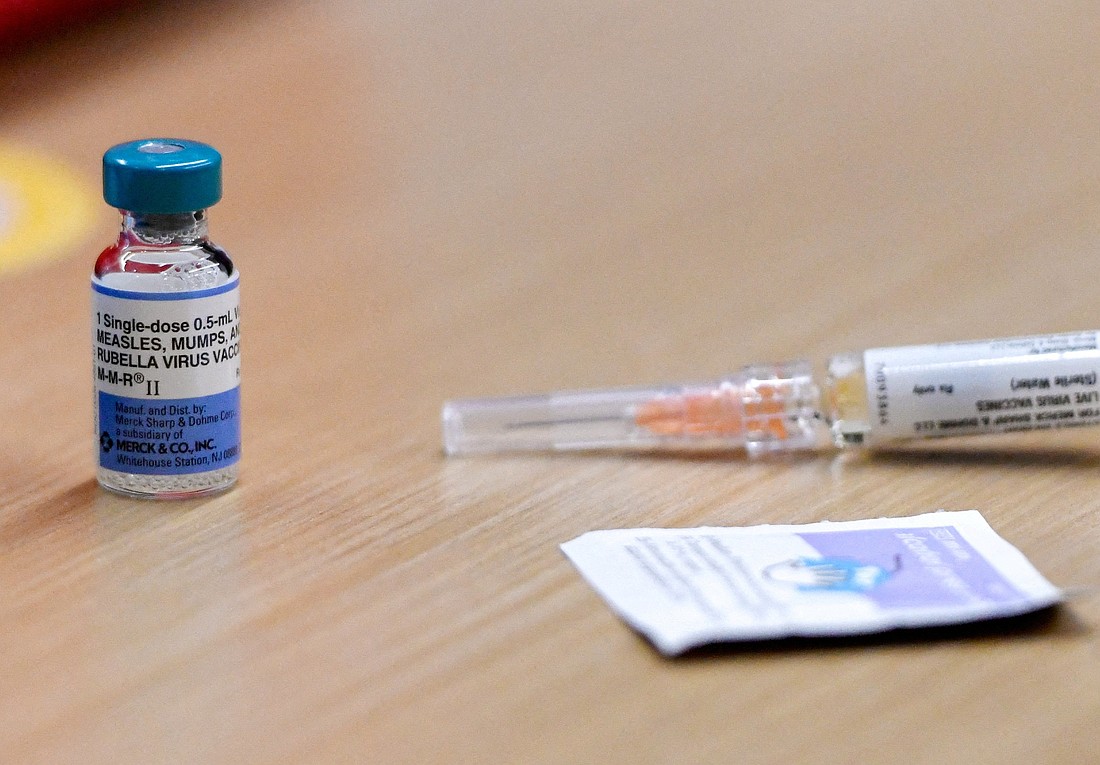
As questions and concerns are often raised about the ethics of vaccines, OSV News’ Charlie Camosy recently spoke on these matters with permanent deacon Timothy P. Flanigan, a doctor and professor of medicine in the Infectious Diseases Division of the Miriam and Rhode Island Hospitals and Brown Medical School.
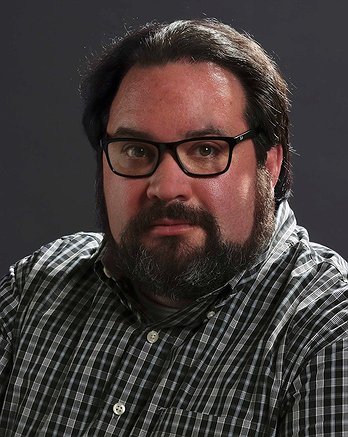 Charlie Camosy is Professor of Medical Humanities at the Creighton School of Medicine and Moral Theology Fellow at St. Joseph Seminary in New York.
• Charlie Camosy: Can you tell us about your academic and research background, and how it’s related to your faith?
• Timothy Flanigan: I am an infectious disease physician, and on the faculty of the Alpert Medical School of Brown University and a permanent deacon [for 10 years] in the Diocese of Providence, Rhode Island at St. Theresa and St. Christopher Church in Tiverton. I’ve provided infectious disease care to adult patients for over 30 years and taught students and fellows in our program.
• CC: On the debate over how modern-day vaccines relate to abortion – what do you think about the claim that the measles, mumps, and rubella (MMR) vaccine contains “aborted fetus debris?”
• TF: It used to be commonplace for vaccines to be produced using cell lines derived from fetal cell lines that were originally derived from an aborted fetus. … Fortunately most vaccines now do not utilize cell lines that were originally associated with an abortion. Unfortunately, the MMR (measles, mumps, rubella) vaccine, as well as Hepatitis A and childhood varicella vaccines, do utilize cell lines that were derived from aborted fetal cells decades ago. These vaccines contain purified attenuated virus and absolutely do not contain “aborted fetus debris.”
• CC: How should Catholics and others think about the ethics surrounding use of vaccines, especially those with some relationship to abortion?
 Timothy P. Flanigan, a doctor and professor of medicine in the Infectious Diseases Division of the Miriam and Rhode Island Hospitals and Brown Medical School, is pictured in this undated photo. Flanigan also serves as a permanent deacon in the Diocese of Providence, Rhode Island. (OSV News photo/courtesy of Timothy Flanigan).
• TF: Catholics have courageously and charitably joined other people of good will in recognizing and speaking out against the termination of innocent life during abortion … We are experiencing a severe measles epidemic in this country currently. Measles is highly infectious and can cause severe illness and rarely death. In 2017, The Pontifical Academy for Life released a short document called “Clarifications on the medical and scientific nature of vaccination.”
The 2017 document notes, “We believe that all clinically recommended vaccinations can be used with a clear conscience and that the use of such vaccines does not signify ... cooperation with voluntary abortion. … the moral responsibility to vaccinate is reiterated in order to avoid serious health risks for children and the general population.”
In light of the serious nature of childhood illness ... I would suggest parents have their children vaccinated for these illnesses as recommended at this time. But we still have to advocate for the development of vaccines that have no connection in its preparation to any material originating from an abortion.
• CC: Can you speak about alternative developments underway?
• TF: Effective December 2019, the vaccines commonly used in children, Pentacel and Quadracel, no longer use cell lines originally derived from aborted fetal cells. In late 2019, Sanofi Pasteur announced that they are no longer using fetal cell lines for Pentacel and Quadracel vaccines. Hopefully, all future vaccine development will not utilize cell lines derived from aborted fetal cells.
• CC: What are some trusted resources you would recommend for folks who want to learn more?
• TF: The National Catholic Bioethics Center frequently provides up to date information that is both scientifically accurate and adheres to Church teachings. Also visit My Catholic Doctor, which also addresses current issues in understandable and faithful language.
Charlie Camosy is professor of medical humanities at the Creighton School of Medicine in Omaha, Nebraska, and moral theology fellow at St. Joseph Seminary, N.Y.
Related Stories
Sunday, December 14, 2025
E-Editions
Events
As questions and concerns are often raised about the ethics of vaccines, OSV News’ Charlie Camosy recently spoke on these matters with permanent deacon Timothy P. Flanigan, a doctor and professor of medicine in the Infectious Diseases Division of the Miriam and Rhode Island Hospitals and Brown Medical School.
Charlie Camosy is Professor of Medical Humanities at the Creighton School of Medicine and Moral Theology Fellow at St. Joseph Seminary in New York.• Charlie Camosy: Can you tell us about your academic and research background, and how it’s related to your faith?
• Timothy Flanigan: I am an infectious disease physician, and on the faculty of the Alpert Medical School of Brown University and a permanent deacon [for 10 years] in the Diocese of Providence, Rhode Island at St. Theresa and St. Christopher Church in Tiverton. I’ve provided infectious disease care to adult patients for over 30 years and taught students and fellows in our program.
• CC: On the debate over how modern-day vaccines relate to abortion – what do you think about the claim that the measles, mumps, and rubella (MMR) vaccine contains “aborted fetus debris?”
• TF: It used to be commonplace for vaccines to be produced using cell lines derived from fetal cell lines that were originally derived from an aborted fetus. … Fortunately most vaccines now do not utilize cell lines that were originally associated with an abortion. Unfortunately, the MMR (measles, mumps, rubella) vaccine, as well as Hepatitis A and childhood varicella vaccines, do utilize cell lines that were derived from aborted fetal cells decades ago. These vaccines contain purified attenuated virus and absolutely do not contain “aborted fetus debris.”
• CC: How should Catholics and others think about the ethics surrounding use of vaccines, especially those with some relationship to abortion?
Timothy P. Flanigan, a doctor and professor of medicine in the Infectious Diseases Division of the Miriam and Rhode Island Hospitals and Brown Medical School, is pictured in this undated photo. Flanigan also serves as a permanent deacon in the Diocese of Providence, Rhode Island. (OSV News photo/courtesy of Timothy Flanigan).• TF: Catholics have courageously and charitably joined other people of good will in recognizing and speaking out against the termination of innocent life during abortion … We are experiencing a severe measles epidemic in this country currently. Measles is highly infectious and can cause severe illness and rarely death. In 2017, The Pontifical Academy for Life released a short document called “Clarifications on the medical and scientific nature of vaccination.”
The 2017 document notes, “We believe that all clinically recommended vaccinations can be used with a clear conscience and that the use of such vaccines does not signify ... cooperation with voluntary abortion. … the moral responsibility to vaccinate is reiterated in order to avoid serious health risks for children and the general population.”
In light of the serious nature of childhood illness ... I would suggest parents have their children vaccinated for these illnesses as recommended at this time. But we still have to advocate for the development of vaccines that have no connection in its preparation to any material originating from an abortion.
• CC: Can you speak about alternative developments underway?
• TF: Effective December 2019, the vaccines commonly used in children, Pentacel and Quadracel, no longer use cell lines originally derived from aborted fetal cells. In late 2019, Sanofi Pasteur announced that they are no longer using fetal cell lines for Pentacel and Quadracel vaccines. Hopefully, all future vaccine development will not utilize cell lines derived from aborted fetal cells.
• CC: What are some trusted resources you would recommend for folks who want to learn more?
• TF: The National Catholic Bioethics Center frequently provides up to date information that is both scientifically accurate and adheres to Church teachings. Also visit My Catholic Doctor, which also addresses current issues in understandable and faithful language.
Charlie Camosy is professor of medical humanities at the Creighton School of Medicine in Omaha, Nebraska, and moral theology fellow at St. Joseph Seminary, N.Y.