


San Juan Diego Cuauhtlatoatzin: 'The first Indigenous saint of the Americas'
December 9, 2025 at 2:47 p.m.
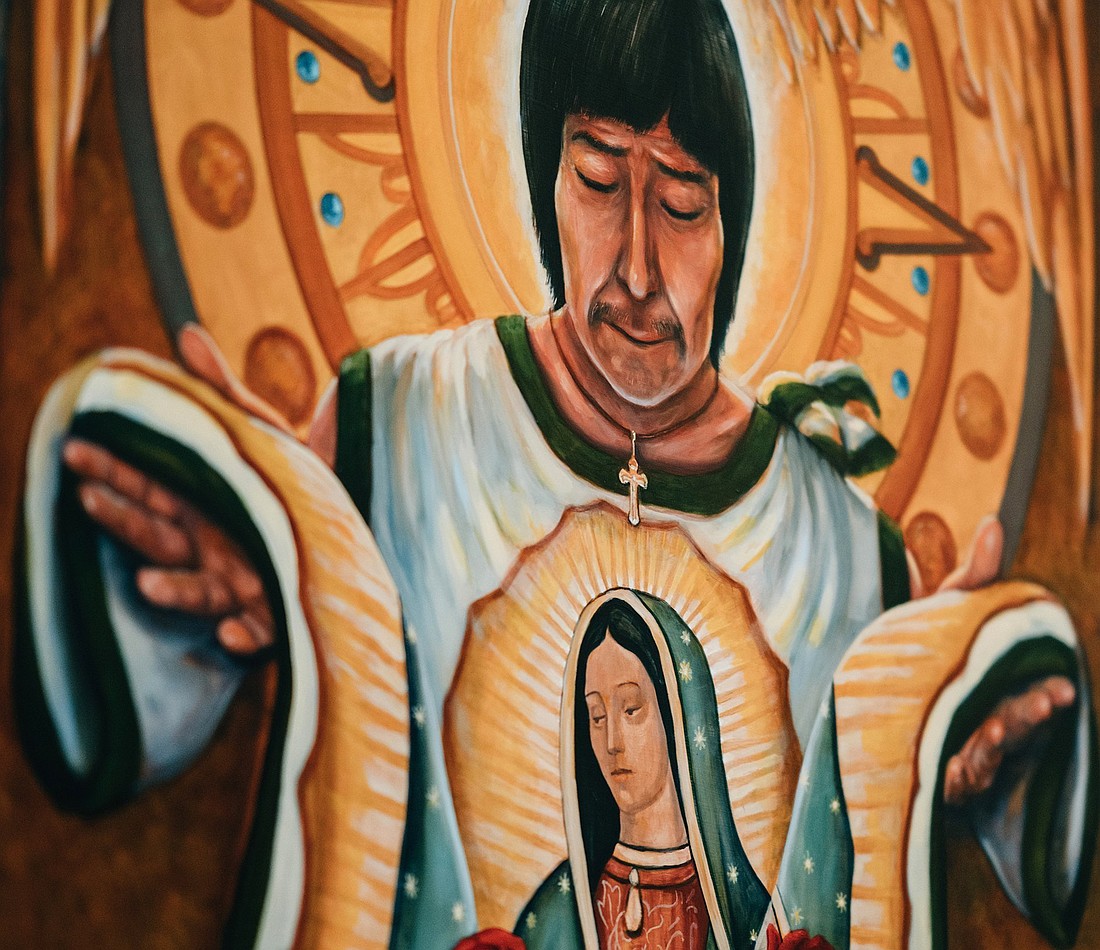
OSV News – "Morenita del Tepeyac." "Queen of Mexico." "Empress of the Americas." These are some of the titles used to honor the Virgin of Guadalupe, revered not only in Mexico, but across Latin America and throughout the world. Yet, this devotion would not have been possible without a humble Indigenous man named Juan Diego Cuauhtlatoatzin, who lived in what is now Mexico from 1474 to 1548 – and who witnessed the apparition of the Virgin of Guadalupe for the first time on Dec. 9, 1531, at Tepeyac Hill.
It was Pope John Paul II who canonized Juan Diego on July 31, 2002, at the Basilica of Guadalupe – the home of the "Empress of the Americas," built upon that very same Tepeyac Hill (near modern Mexico City). On this solemn occasion, the Holy Father emphasized that, "In accepting the Christian message without forgoing his Indigenous identity, Juan Diego discovered the profound truth of the new humanity, in which all are called to be children of God."
In his homily, the Pope described him as a "simple, humble Indian," recalling that he lived a modest life in Cuautitlán, then part of the kingdom of Texcoco. Of Chichimeca heritage, little is known about Juan Diego's childhood and youth. His birth name, Cuauhtlatoatzin, means "The Eagle Who Speaks" in his native language. When Franciscan missionaries arrived in Mexico in 1524, he and his wife María Lucía were among the first to receive the Sacrament of Baptism. The couple also received the Sacrament of Matrimony and lived a Christian marriage until María Lucía's death in 1529.
The future saint of the Catholic Church continuously nourished his faith through studying the catechism and by participating in the Eucharist. On that fateful December 9, 1531, Juan Diego was making his way to Church in Tlatelolco to attend Mass when, upon passing Tepeyac Hill, a radiant Virgin Mary appeared to him and revealed herself as "the perfect ever Virgin Holy Mary, Mother of the true God."
Speaking to him in Nahuatl, Juan Diego's native language, Our Lady of Guadalupe told him that it was her desire for a Church to be built on that very place. Overjoyed, Juan Diego ran to tell the bishop, Juan de Zumárraga, who heard him out but did not believe him.
Three days later, on December 12, the Virgin appeared to him once more. This time, she asked Juan Diego to climb to the top of Tepeyac, gather roses (despite it being winter), and bring them to her. The humble Indigenous man obeyed, and after collecting the flowers, wrapped them in his tilma, or cloak. Then, the Virgin instructed him to present them to the bishop as proof of the authenticity of her apparitions. Once in the bishop's presence, Juan Diego opened his cloak and let the beautiful roses fall, revealing the inexplicably imprinted image of the Virgin of Guadalupe on the fabric.
Thus, Juan Diego "facilitated the fruitful meeting of two worlds and became the catalyst for the new Mexican identity, closely united to Our Lady of Guadalupe, whose mestizo face expresses her spiritual motherhood which embraces all Mexicans," Pope John Paul II stated during his canonization Mass.
After the Guadalupan event, Bishop Juan de Zumárraga ordered a chapel to be built at Tepeyac, and Juan Diego – demonstrating faithful and profound devotion to the Virgin of Guadalupe – left everything and moved into a small dwelling next to the place where the tilma bearing the image of the Virgin was kept until it was later transferred to the Old Basilica of Guadalupe, now known as the Expiatory Temple of Christ the King. There, he would spend his final years safeguarding the cloak imprinted with the Virgin's image as a precious treasure, maintaining the place, and welcoming pilgrims who came to pray.
Jun Diego, who would become the first Indigenous saint of the Americas, died in May of 1548 at the age of 74. The Catholic Church commemorates Saint Juan Diego Cuauhtlatoatzin each December 9, recalling the first apparition of the Virgin Mary of Guadalupe at the Hill of Tepeyac – the site where the Basilica of Guadalupe now draws millions of pilgrims each year, who turn to her as the mother who guides them to Jesus.
Maria del Pilar Guzman writes for OSV News from Boston.
Catholic journalism is needed now more than ever. Please consider supporting this work by signing up for a SUBSCRIPTION (click HERE) or making a DONATION to The Monitor (click HERE). Thank you for your contribution.
Related Stories
Sunday, December 14, 2025

E-Editions
Events
OSV News – "Morenita del Tepeyac." "Queen of Mexico." "Empress of the Americas." These are some of the titles used to honor the Virgin of Guadalupe, revered not only in Mexico, but across Latin America and throughout the world. Yet, this devotion would not have been possible without a humble Indigenous man named Juan Diego Cuauhtlatoatzin, who lived in what is now Mexico from 1474 to 1548 – and who witnessed the apparition of the Virgin of Guadalupe for the first time on Dec. 9, 1531, at Tepeyac Hill.
It was Pope John Paul II who canonized Juan Diego on July 31, 2002, at the Basilica of Guadalupe – the home of the "Empress of the Americas," built upon that very same Tepeyac Hill (near modern Mexico City). On this solemn occasion, the Holy Father emphasized that, "In accepting the Christian message without forgoing his Indigenous identity, Juan Diego discovered the profound truth of the new humanity, in which all are called to be children of God."
In his homily, the Pope described him as a "simple, humble Indian," recalling that he lived a modest life in Cuautitlán, then part of the kingdom of Texcoco. Of Chichimeca heritage, little is known about Juan Diego's childhood and youth. His birth name, Cuauhtlatoatzin, means "The Eagle Who Speaks" in his native language. When Franciscan missionaries arrived in Mexico in 1524, he and his wife María Lucía were among the first to receive the Sacrament of Baptism. The couple also received the Sacrament of Matrimony and lived a Christian marriage until María Lucía's death in 1529.
The future saint of the Catholic Church continuously nourished his faith through studying the catechism and by participating in the Eucharist. On that fateful December 9, 1531, Juan Diego was making his way to Church in Tlatelolco to attend Mass when, upon passing Tepeyac Hill, a radiant Virgin Mary appeared to him and revealed herself as "the perfect ever Virgin Holy Mary, Mother of the true God."
Speaking to him in Nahuatl, Juan Diego's native language, Our Lady of Guadalupe told him that it was her desire for a Church to be built on that very place. Overjoyed, Juan Diego ran to tell the bishop, Juan de Zumárraga, who heard him out but did not believe him.
Three days later, on December 12, the Virgin appeared to him once more. This time, she asked Juan Diego to climb to the top of Tepeyac, gather roses (despite it being winter), and bring them to her. The humble Indigenous man obeyed, and after collecting the flowers, wrapped them in his tilma, or cloak. Then, the Virgin instructed him to present them to the bishop as proof of the authenticity of her apparitions. Once in the bishop's presence, Juan Diego opened his cloak and let the beautiful roses fall, revealing the inexplicably imprinted image of the Virgin of Guadalupe on the fabric.
Thus, Juan Diego "facilitated the fruitful meeting of two worlds and became the catalyst for the new Mexican identity, closely united to Our Lady of Guadalupe, whose mestizo face expresses her spiritual motherhood which embraces all Mexicans," Pope John Paul II stated during his canonization Mass.
After the Guadalupan event, Bishop Juan de Zumárraga ordered a chapel to be built at Tepeyac, and Juan Diego – demonstrating faithful and profound devotion to the Virgin of Guadalupe – left everything and moved into a small dwelling next to the place where the tilma bearing the image of the Virgin was kept until it was later transferred to the Old Basilica of Guadalupe, now known as the Expiatory Temple of Christ the King. There, he would spend his final years safeguarding the cloak imprinted with the Virgin's image as a precious treasure, maintaining the place, and welcoming pilgrims who came to pray.
Jun Diego, who would become the first Indigenous saint of the Americas, died in May of 1548 at the age of 74. The Catholic Church commemorates Saint Juan Diego Cuauhtlatoatzin each December 9, recalling the first apparition of the Virgin Mary of Guadalupe at the Hill of Tepeyac – the site where the Basilica of Guadalupe now draws millions of pilgrims each year, who turn to her as the mother who guides them to Jesus.
Maria del Pilar Guzman writes for OSV News from Boston.
Catholic journalism is needed now more than ever. Please consider supporting this work by signing up for a SUBSCRIPTION (click HERE) or making a DONATION to The Monitor (click HERE). Thank you for your contribution.