


Nicaraguan-style law used to expel religious groups stokes fears in El Salvador
August 29, 2025 at 11:04 p.m.
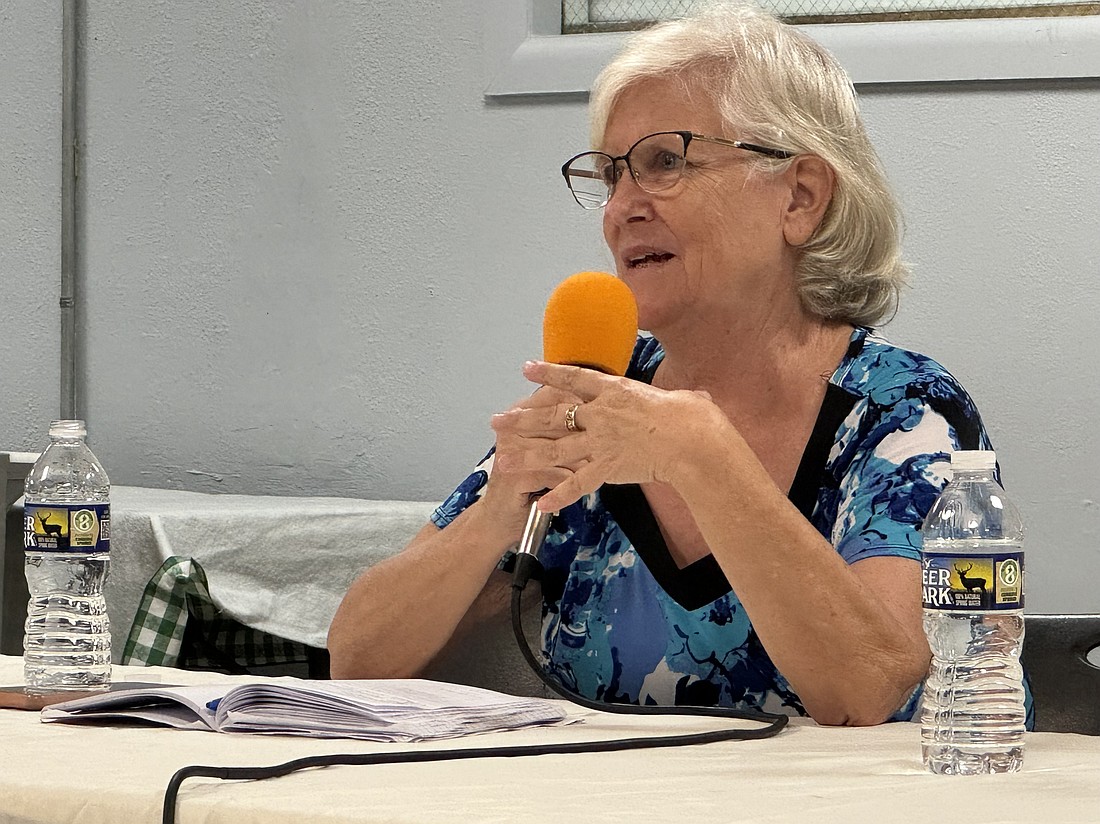
OSV News – With financial help from Catholic parishes and organizations in the Diocese of Kansas City, the Centro de Intercambio y Solidaridad, or CIS, has championed solidarity and fomented fellowship through programs between the people of the United States and El Salvador since 1993.
In El Salvador, CIS – whose name translates to Center for Exchange and Solidarity – has funded scholarships, taught English (as well as Spanish to U.S. visitors), provided resources and tools to help poverty-stricken Salvadorans stay in the country and avoid having t migrate north.
But now, one of its founders in the country's capital of San Salvador worries that a new law that resembles a statute in Nicaragua – used to silence, expel and strip Catholic groups and others of property and a voice – is about to put in peril nonprofits' work among El Salvador's poor.
"It's very worrisome, the situation," said Leslie Schuld, co-founder of CIS in San Salvador, about the foreign agent law approved in May by the country's legislative assembly, the equivalent of Congress.
The new law imposes a high tax on donations or other funding from outside the country intended for local nonprofits, but it exempts them from the levy as long as they don't criticize the government or take part in anything it deems political.
"It's a copy of the one in Nicaragua with the same objectives of social control and control of criticism against human rights abuses," said a political analyst in the country who spoke with Global Sisters Report on condition of anonymity.
A similar law in Nicaragua, which imposed high fees and controls over nonprofits beginning in 2020, created conditions that led to the expulsion of the Missionaries of Charity from the country in 2022, the analyst said. Countless religious communities, of both men and women, have since trickled out of the country. In 2023, the Nicaraguan government confiscated a Jesuit-run university in Managua and stripped the order of its private property.
The government also confiscated other assets and bank accounts in its repression of religious groups, the U.S. Department of State said in its 2023 religious freedom report.
Like Nicaragua, the law in El Salvador makes no distinction between civil and religious nonprofit organizations, or NGOs.
"All the NGOs (in El Salvador) are worried. I mean, not 100%, but maybe 99.9%. If they're not, then I don't know what. They're in a bubble or something," Schuld said.
Though her organization, which receives donations from parishes in the U.S. and Canada, is not political, it has denounced the government's mass arrests that led to the detention of one its teachers, as well as students, and a boat driver who transported to school CIS' young Salvadoran scholarship recipients who live on a rural island.
The government has said the crackdown is necessary to keep the gangs that long terrorized El Salvador at bay.
In May, Ernesto Castro, the president of the country's legislative assembly, accused nonprofits (without naming them) of being delinquents and thugs and said that while no one was taking away their right to criticize, they should just raise more money for the right to do so – to the tune of 30% of the donations they receive from abroad.
The money would go to the government, which would use it to the benefit of Salvadorans, Castro said. Though nonprofits are not banned, they will be charged an amount that makes it difficult for them to survive, if they say anything the government disapproves of.
Not all nonprofits would be affected, Castro said, pouncing on critics by saying they were exaggerating the law's intent. But already, the European Union, whose members are generous donors to El Salvador's various NGOs, including Church-run charities, criticized the move in a June statement.
Though what happened in Nicaragua is the closest example of what some fear could happen in El Salvador, Catholic Church organizations have faced similar obstacles in other parts of the world. The country of Georgia, for example, enacted a foreign agents law last in 2024, a move a law professor in the country said targeted Churches and independent media in a nation leaning against democracy and more toward Russia – which enacted a similar law in 2012.
Though Catholic Church groups in El Salvador have been silent publicly about human rights abuses, they have organized and vigorously opposed the government's efforts to promote metal mining in the country, participating in outdoor demonstrations. The criticism was repeated in June, in the bishops' pastoral letter, unusual for its criticism, which took aim at the government's imprisonment of Venezuelans deported by the U.S. and taken to a notorious Salvadoran prison.
Though the government has issued no response, the Salvadoran analyst said experts believe it's only a matter of time until organizations related to the Church in El Salvador face consequences similar to those experienced by Nicaraguan Catholics and organizations that have criticized the government.
"They are going after people that work for social justice, for human rights," Schuld said.
In recent months, at least 40 journalists have left the country fearing they would be detained, said El Salvador's national press office. Cristosal, a major faith-based human rights group, announced July 17 it was leaving El Salvador following continued harassment and threats by the government after the arrest of Ruth Eleonora Lopez, its anti-corruption director.
The Associated Press reported July 23 "the biggest exodus of journalists, lawyers, academics, environmentalists and human rights activists (from El Salvador) in years."
"There are thousands of people in jail right now based on untruths that are being published about them," Schuld said. "They're being maligned, saying that they're gang members with absolutely no evidence, no proof."
But the government has opted to target those who defend them, she said.
"Journalists, human rights organizations, and nonprofits – they're their targets right now," Schuld said. "They first went after the political parties, which were in opposition to them … Now the nonprofits, the journalists, and the human rights defenders are the opposition. We are not opposition. We are not looking for political power."
And there's no help in sight, the analyst said, as Salvadoran government officials celebrated the election of Donald Trump to the U.S. presidency in late 2024, knowing he wouldn't call them out on abuses.
"They saw Trump's arrival as a green light," he said. "It was a reason for joy."
Nonprofits have until early September to report to the new registry of foreign agents that will let them know whether they are exempt from the tax. But in the meantime, groups like CIS worry about the future, whether donations will dry up because of it, or whether it will be feasible to stay open.
Even if they're exempt from paying the tax, the law is "very unclear," Schuld said, and it's hard to know whether officials can just walk in and start questioning or harassing staff. Its curriculum, which focuses on respect for the environment, gender equality, and defense of human rights, may make CIS a target, she said.
"It's worrisome, on the economic level. But then also, we believe the intent is just to silence critical voices."
This story was originally published by Global Sisters Report, a project of National Catholic Reporter, and is distributed through a partnership with OSV News. Rhina Guidos is the Latin America regional correspondent for Global Sisters Report.
Diocese of Kansas City, the Centro de Intercambio y Solidaridad, or CIS, has championed solidarity and fomented fellowship through programs between the people of the United States and El Salvador since 1993.
In El Salvador, CIS – whose name translates to Center for Exchange and Solidarity – has funded scholarships, taught English (as well as Spanish to U.S. visitors), provided resources and tools to help poverty-stricken Salvadorans stay in the country and avoid having t migrate north.
But now, one of its founders in the country's capital of San Salvador worries that a new law that resembles a statute in Nicaragua – used to silence, expel and strip Catholic groups and others of property and a voice – is about to put in peril nonprofits' work among El Salvador's poor.
"It's very worrisome, the situation," said Leslie Schuld, co-founder of CIS in San Salvador, about the foreign agent law approved in May by the country's legislative assembly, the equivalent of Congress.
The new law imposes a high tax on donations or other funding from outside the country intended for local nonprofits, but it exempts them from the levy as long as they don't criticize the government or take part in anything it deems political.
"It's a copy of the one in Nicaragua with the same objectives of social control and control of criticism against human rights abuses," said a political analyst in the country who spoke with Global Sisters Report on condition of anonymity.
A similar law in Nicaragua, which imposed high fees and controls over nonprofits beginning in 2020, created conditions that led to the expulsion of the Missionaries of Charity from the country in 2022, the analyst said. Countless religious communities, of both men and women, have since trickled out of the country. In 2023, the Nicaraguan government confiscated a Jesuit-run university in Managua and stripped the order of its private property.
The government also confiscated other assets and bank accounts in its repression of religious groups, the U.S. Department of State said in its 2023 religious freedom report.
Like Nicaragua, the law in El Salvador makes no distinction between civil and religious nonprofit organizations, or NGOs.
"All the NGOs (in El Salvador) are worried. I mean, not 100%, but maybe 99.9%. If they're not, then I don't know what. They're in a bubble or something," Schuld said.
Though her organization, which receives donations from parishes in the U.S. and Canada, is not political, it has denounced the government's mass arrests that led to the detention of one its teachers, as well as students, and a boat driver who transported to school CIS' young Salvadoran scholarship recipients who live on a rural island.
The government has said the crackdown is necessary to keep the gangs that long terrorized El Salvador at bay.
In May, Ernesto Castro, the president of the country's legislative assembly, accused nonprofits (without naming them) of being delinquents and thugs and said that while no one was taking away their right to criticize, they should just raise more money for the right to do so – to the tune of 30% of the donations they receive from abroad.
The money would go to the government, which would use it to the benefit of Salvadorans, Castro said. Though nonprofits are not banned, they will be charged an amount that makes it difficult for them to survive, if they say anything the government disapproves of.
Not all nonprofits would be affected, Castro said, pouncing on critics by saying they were exaggerating the law's intent. But already, the European Union, whose members are generous donors to El Salvador's various NGOs, including Church-run charities, criticized the move in a June statement.
Though what happened in Nicaragua is the closest example of what some fear could happen in El Salvador, Catholic Church organizations have faced similar obstacles in other parts of the world. The country of Georgia, for example, enacted a foreign agents law last in 2024, a move a law professor in the country said targeted Churches and independent media in a nation leaning against democracy and more toward Russia – which enacted a similar law in 2012.
Though Catholic Church groups in El Salvador have been silent publicly about human rights abuses, they have organized and vigorously opposed the government's efforts to promote metal mining in the country, participating in outdoor demonstrations. The criticism was repeated in June, in the bishops' pastoral letter, unusual for its criticism, which took aim at the government's imprisonment of Venezuelans deported by the U.S. and taken to a notorious Salvadoran prison.
Though the government has issued no response, the Salvadoran analyst said experts believe it's only a matter of time until organizations related to the Church in El Salvador face consequences similar to those experienced by Nicaraguan Catholics and organizations that have criticized the government.
"They are going after people that work for social justice, for human rights," Schuld said.
In recent months, at least 40 journalists have left the country fearing they would be detained, said El Salvador's national press office. Cristosal, a major faith-based human rights group, announced July 17 it was leaving El Salvador following continued harassment and threats by the government after the arrest of Ruth Eleonora Lopez, its anti-corruption director.
The Associated Press reported July 23 "the biggest exodus of journalists, lawyers, academics, environmentalists and human rights activists (from El Salvador) in years."
"There are thousands of people in jail right now based on untruths that are being published about them," Schuld said. "They're being maligned, saying that they're gang members with absolutely no evidence, no proof."
But the government has opted to target those who defend them, she said.
"Journalists, human rights organizations, and nonprofits – they're their targets right now," Schuld said. "They first went after the political parties, which were in opposition to them … Now the nonprofits, the journalists, and the human rights defenders are the opposition. We are not opposition. We are not looking for political power."
And there's no help in sight, the analyst said, as Salvadoran government officials celebrated the election of Donald Trump to the U.S. presidency in late 2024, knowing he wouldn't call them out on abuses.
"They saw Trump's arrival as a green light," he said. "It was a reason for joy."
Nonprofits have until early September to report to the new registry of foreign agents that will let them know whether they are exempt from the tax. But in the meantime, groups like CIS worry about the future, whether donations will dry up because of it, or whether it will be feasible to stay open.
Even if they're exempt from paying the tax, the law is "very unclear," Schuld said, and it's hard to know whether officials can just walk in and start questioning or harassing staff. Its curriculum, which focuses on respect for the environment, gender equality, and defense of human rights, may make CIS a target, she said.
"It's worrisome, on the economic level. But then also, we believe the intent is just to silence critical voices."
This story was originally published by Global Sisters Report, a project of National Catholic Reporter, and is distributed through a partnership with OSV News. Rhina Guidos is the Latin America regional correspondent for Global Sisters Report.
Catholic journalism is needed now more than ever. Please consider supporting this work by signing up for a SUBSCRIPTION (click HERE) or making a DONATION to The Monitor (click HERE). Thank you for your support.
Related Stories
Saturday, December 27, 2025

E-Editions
Events
OSV News – With financial help from Catholic parishes and organizations in the Diocese of Kansas City, the Centro de Intercambio y Solidaridad, or CIS, has championed solidarity and fomented fellowship through programs between the people of the United States and El Salvador since 1993.
In El Salvador, CIS – whose name translates to Center for Exchange and Solidarity – has funded scholarships, taught English (as well as Spanish to U.S. visitors), provided resources and tools to help poverty-stricken Salvadorans stay in the country and avoid having t migrate north.
But now, one of its founders in the country's capital of San Salvador worries that a new law that resembles a statute in Nicaragua – used to silence, expel and strip Catholic groups and others of property and a voice – is about to put in peril nonprofits' work among El Salvador's poor.
"It's very worrisome, the situation," said Leslie Schuld, co-founder of CIS in San Salvador, about the foreign agent law approved in May by the country's legislative assembly, the equivalent of Congress.
The new law imposes a high tax on donations or other funding from outside the country intended for local nonprofits, but it exempts them from the levy as long as they don't criticize the government or take part in anything it deems political.
"It's a copy of the one in Nicaragua with the same objectives of social control and control of criticism against human rights abuses," said a political analyst in the country who spoke with Global Sisters Report on condition of anonymity.
A similar law in Nicaragua, which imposed high fees and controls over nonprofits beginning in 2020, created conditions that led to the expulsion of the Missionaries of Charity from the country in 2022, the analyst said. Countless religious communities, of both men and women, have since trickled out of the country. In 2023, the Nicaraguan government confiscated a Jesuit-run university in Managua and stripped the order of its private property.
The government also confiscated other assets and bank accounts in its repression of religious groups, the U.S. Department of State said in its 2023 religious freedom report.
Like Nicaragua, the law in El Salvador makes no distinction between civil and religious nonprofit organizations, or NGOs.
"All the NGOs (in El Salvador) are worried. I mean, not 100%, but maybe 99.9%. If they're not, then I don't know what. They're in a bubble or something," Schuld said.
Though her organization, which receives donations from parishes in the U.S. and Canada, is not political, it has denounced the government's mass arrests that led to the detention of one its teachers, as well as students, and a boat driver who transported to school CIS' young Salvadoran scholarship recipients who live on a rural island.
The government has said the crackdown is necessary to keep the gangs that long terrorized El Salvador at bay.
In May, Ernesto Castro, the president of the country's legislative assembly, accused nonprofits (without naming them) of being delinquents and thugs and said that while no one was taking away their right to criticize, they should just raise more money for the right to do so – to the tune of 30% of the donations they receive from abroad.
The money would go to the government, which would use it to the benefit of Salvadorans, Castro said. Though nonprofits are not banned, they will be charged an amount that makes it difficult for them to survive, if they say anything the government disapproves of.
Not all nonprofits would be affected, Castro said, pouncing on critics by saying they were exaggerating the law's intent. But already, the European Union, whose members are generous donors to El Salvador's various NGOs, including Church-run charities, criticized the move in a June statement.
Though what happened in Nicaragua is the closest example of what some fear could happen in El Salvador, Catholic Church organizations have faced similar obstacles in other parts of the world. The country of Georgia, for example, enacted a foreign agents law last in 2024, a move a law professor in the country said targeted Churches and independent media in a nation leaning against democracy and more toward Russia – which enacted a similar law in 2012.
Though Catholic Church groups in El Salvador have been silent publicly about human rights abuses, they have organized and vigorously opposed the government's efforts to promote metal mining in the country, participating in outdoor demonstrations. The criticism was repeated in June, in the bishops' pastoral letter, unusual for its criticism, which took aim at the government's imprisonment of Venezuelans deported by the U.S. and taken to a notorious Salvadoran prison.
Though the government has issued no response, the Salvadoran analyst said experts believe it's only a matter of time until organizations related to the Church in El Salvador face consequences similar to those experienced by Nicaraguan Catholics and organizations that have criticized the government.
"They are going after people that work for social justice, for human rights," Schuld said.
In recent months, at least 40 journalists have left the country fearing they would be detained, said El Salvador's national press office. Cristosal, a major faith-based human rights group, announced July 17 it was leaving El Salvador following continued harassment and threats by the government after the arrest of Ruth Eleonora Lopez, its anti-corruption director.
The Associated Press reported July 23 "the biggest exodus of journalists, lawyers, academics, environmentalists and human rights activists (from El Salvador) in years."
"There are thousands of people in jail right now based on untruths that are being published about them," Schuld said. "They're being maligned, saying that they're gang members with absolutely no evidence, no proof."
But the government has opted to target those who defend them, she said.
"Journalists, human rights organizations, and nonprofits – they're their targets right now," Schuld said. "They first went after the political parties, which were in opposition to them … Now the nonprofits, the journalists, and the human rights defenders are the opposition. We are not opposition. We are not looking for political power."
And there's no help in sight, the analyst said, as Salvadoran government officials celebrated the election of Donald Trump to the U.S. presidency in late 2024, knowing he wouldn't call them out on abuses.
"They saw Trump's arrival as a green light," he said. "It was a reason for joy."
Nonprofits have until early September to report to the new registry of foreign agents that will let them know whether they are exempt from the tax. But in the meantime, groups like CIS worry about the future, whether donations will dry up because of it, or whether it will be feasible to stay open.
Even if they're exempt from paying the tax, the law is "very unclear," Schuld said, and it's hard to know whether officials can just walk in and start questioning or harassing staff. Its curriculum, which focuses on respect for the environment, gender equality, and defense of human rights, may make CIS a target, she said.
"It's worrisome, on the economic level. But then also, we believe the intent is just to silence critical voices."
This story was originally published by Global Sisters Report, a project of National Catholic Reporter, and is distributed through a partnership with OSV News. Rhina Guidos is the Latin America regional correspondent for Global Sisters Report.
Diocese of Kansas City, the Centro de Intercambio y Solidaridad, or CIS, has championed solidarity and fomented fellowship through programs between the people of the United States and El Salvador since 1993.
In El Salvador, CIS – whose name translates to Center for Exchange and Solidarity – has funded scholarships, taught English (as well as Spanish to U.S. visitors), provided resources and tools to help poverty-stricken Salvadorans stay in the country and avoid having t migrate north.
But now, one of its founders in the country's capital of San Salvador worries that a new law that resembles a statute in Nicaragua – used to silence, expel and strip Catholic groups and others of property and a voice – is about to put in peril nonprofits' work among El Salvador's poor.
"It's very worrisome, the situation," said Leslie Schuld, co-founder of CIS in San Salvador, about the foreign agent law approved in May by the country's legislative assembly, the equivalent of Congress.
The new law imposes a high tax on donations or other funding from outside the country intended for local nonprofits, but it exempts them from the levy as long as they don't criticize the government or take part in anything it deems political.
"It's a copy of the one in Nicaragua with the same objectives of social control and control of criticism against human rights abuses," said a political analyst in the country who spoke with Global Sisters Report on condition of anonymity.
A similar law in Nicaragua, which imposed high fees and controls over nonprofits beginning in 2020, created conditions that led to the expulsion of the Missionaries of Charity from the country in 2022, the analyst said. Countless religious communities, of both men and women, have since trickled out of the country. In 2023, the Nicaraguan government confiscated a Jesuit-run university in Managua and stripped the order of its private property.
The government also confiscated other assets and bank accounts in its repression of religious groups, the U.S. Department of State said in its 2023 religious freedom report.
Like Nicaragua, the law in El Salvador makes no distinction between civil and religious nonprofit organizations, or NGOs.
"All the NGOs (in El Salvador) are worried. I mean, not 100%, but maybe 99.9%. If they're not, then I don't know what. They're in a bubble or something," Schuld said.
Though her organization, which receives donations from parishes in the U.S. and Canada, is not political, it has denounced the government's mass arrests that led to the detention of one its teachers, as well as students, and a boat driver who transported to school CIS' young Salvadoran scholarship recipients who live on a rural island.
The government has said the crackdown is necessary to keep the gangs that long terrorized El Salvador at bay.
In May, Ernesto Castro, the president of the country's legislative assembly, accused nonprofits (without naming them) of being delinquents and thugs and said that while no one was taking away their right to criticize, they should just raise more money for the right to do so – to the tune of 30% of the donations they receive from abroad.
The money would go to the government, which would use it to the benefit of Salvadorans, Castro said. Though nonprofits are not banned, they will be charged an amount that makes it difficult for them to survive, if they say anything the government disapproves of.
Not all nonprofits would be affected, Castro said, pouncing on critics by saying they were exaggerating the law's intent. But already, the European Union, whose members are generous donors to El Salvador's various NGOs, including Church-run charities, criticized the move in a June statement.
Though what happened in Nicaragua is the closest example of what some fear could happen in El Salvador, Catholic Church organizations have faced similar obstacles in other parts of the world. The country of Georgia, for example, enacted a foreign agents law last in 2024, a move a law professor in the country said targeted Churches and independent media in a nation leaning against democracy and more toward Russia – which enacted a similar law in 2012.
Though Catholic Church groups in El Salvador have been silent publicly about human rights abuses, they have organized and vigorously opposed the government's efforts to promote metal mining in the country, participating in outdoor demonstrations. The criticism was repeated in June, in the bishops' pastoral letter, unusual for its criticism, which took aim at the government's imprisonment of Venezuelans deported by the U.S. and taken to a notorious Salvadoran prison.
Though the government has issued no response, the Salvadoran analyst said experts believe it's only a matter of time until organizations related to the Church in El Salvador face consequences similar to those experienced by Nicaraguan Catholics and organizations that have criticized the government.
"They are going after people that work for social justice, for human rights," Schuld said.
In recent months, at least 40 journalists have left the country fearing they would be detained, said El Salvador's national press office. Cristosal, a major faith-based human rights group, announced July 17 it was leaving El Salvador following continued harassment and threats by the government after the arrest of Ruth Eleonora Lopez, its anti-corruption director.
The Associated Press reported July 23 "the biggest exodus of journalists, lawyers, academics, environmentalists and human rights activists (from El Salvador) in years."
"There are thousands of people in jail right now based on untruths that are being published about them," Schuld said. "They're being maligned, saying that they're gang members with absolutely no evidence, no proof."
But the government has opted to target those who defend them, she said.
"Journalists, human rights organizations, and nonprofits – they're their targets right now," Schuld said. "They first went after the political parties, which were in opposition to them … Now the nonprofits, the journalists, and the human rights defenders are the opposition. We are not opposition. We are not looking for political power."
And there's no help in sight, the analyst said, as Salvadoran government officials celebrated the election of Donald Trump to the U.S. presidency in late 2024, knowing he wouldn't call them out on abuses.
"They saw Trump's arrival as a green light," he said. "It was a reason for joy."
Nonprofits have until early September to report to the new registry of foreign agents that will let them know whether they are exempt from the tax. But in the meantime, groups like CIS worry about the future, whether donations will dry up because of it, or whether it will be feasible to stay open.
Even if they're exempt from paying the tax, the law is "very unclear," Schuld said, and it's hard to know whether officials can just walk in and start questioning or harassing staff. Its curriculum, which focuses on respect for the environment, gender equality, and defense of human rights, may make CIS a target, she said.
"It's worrisome, on the economic level. But then also, we believe the intent is just to silence critical voices."
This story was originally published by Global Sisters Report, a project of National Catholic Reporter, and is distributed through a partnership with OSV News. Rhina Guidos is the Latin America regional correspondent for Global Sisters Report.
Catholic journalism is needed now more than ever. Please consider supporting this work by signing up for a SUBSCRIPTION (click HERE) or making a DONATION to The Monitor (click HERE). Thank you for your support.