


How accurate is the portrayal of Judas in 'The Chosen?'
August 5, 2025 at 4:12 p.m.
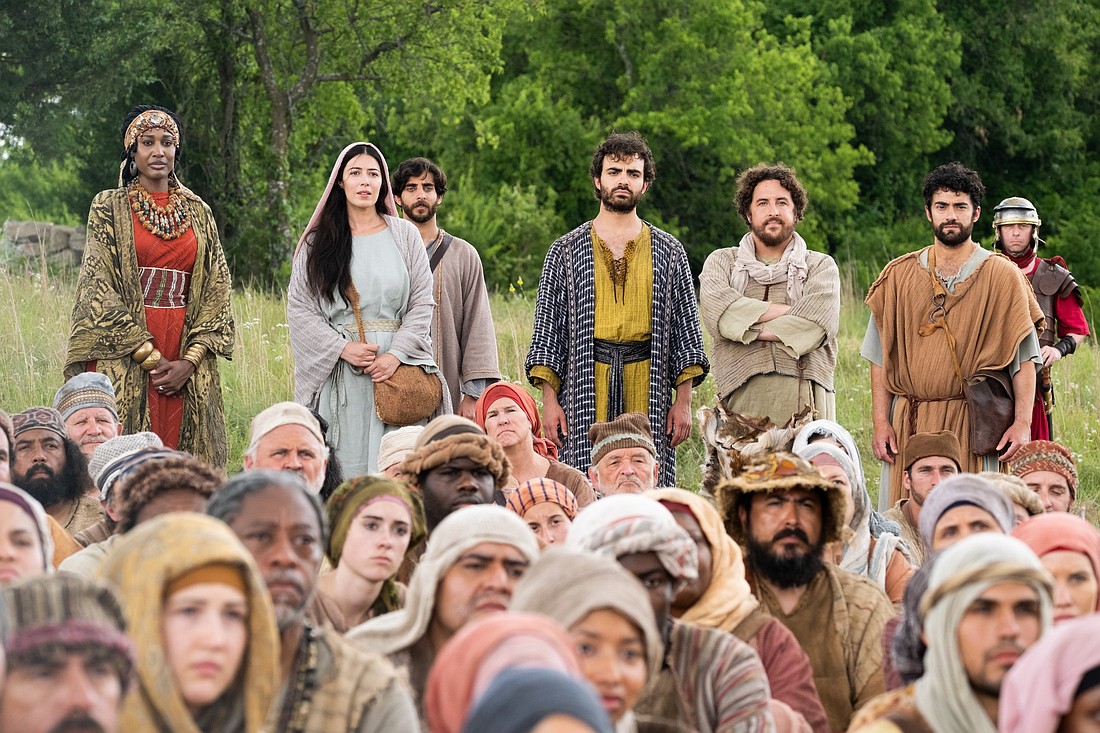
Q: In watching "The Chosen," I find I have real sympathy for Judas, who seemed to misunderstand Jesus and was merely trying to force him to accept the role of king. How accurate is this, though, and either way do you think Jesus forgave Judas? (Indiana)
A: I haven't watched "The Chosen," so I can't comment on the show writers' artistic choices and interpretations. But based just on what you have written here, this does not seem like an accurate reflection of Scripture, and the Gospels themselves certainly do not paint Judas as a sympathetic character.
The Gospels never mention Judas having a misguided but well-intentioned desire for Jesus to take up a role as an earthly king. Although interestingly, the Acts of the Apostles does describe the remaining faithful Apostles as being somewhat confused about whether or not Jesus intended an earthly kingship at the time of his Ascension. As we read: "When they [the Apostles] had gathered together they asked him, 'Lord, are you at this time going to restore the kingdom to Israel'" (Acts 1:6)?
One motive that the Gospels do ascribe to Judas is simple human greed. For example, in Chapter 26 of Matthew's Gospel, we read how Judas: "…went to the chief priests and said, 'What are you willing to give me if I hand [Jesus] over to you?' They paid him thirty pieces of silver, and from that time on he looked for an opportunity to hand him over" (Mt 26:14-16).
John's Gospel gives us some more background on Judas' corrupt and greedy character. In Chapter 12, shortly before Jesus' Passion, his friend Mary of Bethany anoints his feet with expensive perfume as a sign of her love. However, Judas loudly complains: "Why was this oil not sold for three hundred days' wages and given to the poor?" St. John fills in the detail that Judas said this "…not because he cared about the poor but because he was a thief and held the money bag and used to steal the contributions" (Jn 12:5-6).
Direct Satanic or demonic influence is another motive the Gospels attribute to Judas. In setting the scene for its description of the Last Supper, John 13:2 notes that "The devil had already induced Judas, son of Simon the Iscariot, to hand [Jesus] over."
The Gospel of Matthew does mention that Judas regretted his betrayal of Jesus, though he was not able to undo what he had started. As St. Matthew tells us: "He returned the thirty pieces of silver to the chief priests and elders, saying, 'I have sinned in betraying innocent blood.' They said, 'What is that to us? Look to it yourself.'" In despair, Judas "…departed and went off and hanged himself" (Mt 27:4-5).
It does not seem that Judas was forgiven, since as Jesus laments during the Last Supper "…woe to that man by whom the Son of Man is betrayed. It would be better for that man if he had never been born" (Mt 26:24).
But I think that Judas remaining unforgiving was not because Jesus would have refused to pardon him, but rather because Judas took his own life without even attempting to seek forgiveness.
We know that God is infinitely loving and merciful, so I believe that Jesus would have readily and joyfully forgiven Judas if he had only turned back to God and sought reconciliation.
My own thought is that, insofar as we might have any sympathetic feelings toward Judas, it should be sorrow at the loss not only of Judas' own soul, but also at the loss of what could have been a great saint for the Church.
We can apply what Jesus once said of a penitent woman: "her many sins have been forgiven; hence, she has shown great love" (Lk 7:47). Imagine the love a contrite and forgiven Judas might have shown or what a great witness he could have been to the mercy of God.
Jenna Marie Cooper, who holds a licentiate in canon law, is a consecrated virgin and a canonist whose column appears weekly at OSV News. Send your questions to [email protected].
Related Stories
Friday, December 26, 2025



E-Editions

Events
Q: In watching "The Chosen," I find I have real sympathy for Judas, who seemed to misunderstand Jesus and was merely trying to force him to accept the role of king. How accurate is this, though, and either way do you think Jesus forgave Judas? (Indiana)
A: I haven't watched "The Chosen," so I can't comment on the show writers' artistic choices and interpretations. But based just on what you have written here, this does not seem like an accurate reflection of Scripture, and the Gospels themselves certainly do not paint Judas as a sympathetic character.
The Gospels never mention Judas having a misguided but well-intentioned desire for Jesus to take up a role as an earthly king. Although interestingly, the Acts of the Apostles does describe the remaining faithful Apostles as being somewhat confused about whether or not Jesus intended an earthly kingship at the time of his Ascension. As we read: "When they [the Apostles] had gathered together they asked him, 'Lord, are you at this time going to restore the kingdom to Israel'" (Acts 1:6)?
One motive that the Gospels do ascribe to Judas is simple human greed. For example, in Chapter 26 of Matthew's Gospel, we read how Judas: "…went to the chief priests and said, 'What are you willing to give me if I hand [Jesus] over to you?' They paid him thirty pieces of silver, and from that time on he looked for an opportunity to hand him over" (Mt 26:14-16).
John's Gospel gives us some more background on Judas' corrupt and greedy character. In Chapter 12, shortly before Jesus' Passion, his friend Mary of Bethany anoints his feet with expensive perfume as a sign of her love. However, Judas loudly complains: "Why was this oil not sold for three hundred days' wages and given to the poor?" St. John fills in the detail that Judas said this "…not because he cared about the poor but because he was a thief and held the money bag and used to steal the contributions" (Jn 12:5-6).
Direct Satanic or demonic influence is another motive the Gospels attribute to Judas. In setting the scene for its description of the Last Supper, John 13:2 notes that "The devil had already induced Judas, son of Simon the Iscariot, to hand [Jesus] over."
The Gospel of Matthew does mention that Judas regretted his betrayal of Jesus, though he was not able to undo what he had started. As St. Matthew tells us: "He returned the thirty pieces of silver to the chief priests and elders, saying, 'I have sinned in betraying innocent blood.' They said, 'What is that to us? Look to it yourself.'" In despair, Judas "…departed and went off and hanged himself" (Mt 27:4-5).
It does not seem that Judas was forgiven, since as Jesus laments during the Last Supper "…woe to that man by whom the Son of Man is betrayed. It would be better for that man if he had never been born" (Mt 26:24).
But I think that Judas remaining unforgiving was not because Jesus would have refused to pardon him, but rather because Judas took his own life without even attempting to seek forgiveness.
We know that God is infinitely loving and merciful, so I believe that Jesus would have readily and joyfully forgiven Judas if he had only turned back to God and sought reconciliation.
My own thought is that, insofar as we might have any sympathetic feelings toward Judas, it should be sorrow at the loss not only of Judas' own soul, but also at the loss of what could have been a great saint for the Church.
We can apply what Jesus once said of a penitent woman: "her many sins have been forgiven; hence, she has shown great love" (Lk 7:47). Imagine the love a contrite and forgiven Judas might have shown or what a great witness he could have been to the mercy of God.
Jenna Marie Cooper, who holds a licentiate in canon law, is a consecrated virgin and a canonist whose column appears weekly at OSV News. Send your questions to [email protected].