


Simple Holy Week customs transcend cultures, continents
April 14, 2025 at 2:43 p.m.
OSV News – From baking sweet breads to blessing baskets, Holy Week is full of long-standing traditions that transcend cultures and continents. The following list includes a quick overview of family favorites.
– Palm crosses: From medieval times, people have believed that blessed palms formed into the shape of a cross would protect them from danger. The easiest way to make a cross from blessed palms is to cut two pieces of the palm, arrange in the shape of a cross, put a thumbtack in the middle, and attach the cross to a doorway or a bulletin board. Check the Internet for directions on how to braid or weave palms into more decorative crosses.
– Housecleaning: In many cultures the Monday, Tuesday and Wednesday of Holy Week are designated as days for vigorous housecleaning in preparation for Easter. This custom probably evolved from the Jewish custom of ritual cleaning before Passover.
– Coloring eggs: Decorating eggs was a pagan symbol of rebirth at springtime for the Romans, Greeks, Egyptians, Persians and even the Chinese. Christians adopted the colored egg as a symbol of new life which comes with the Resurrection.
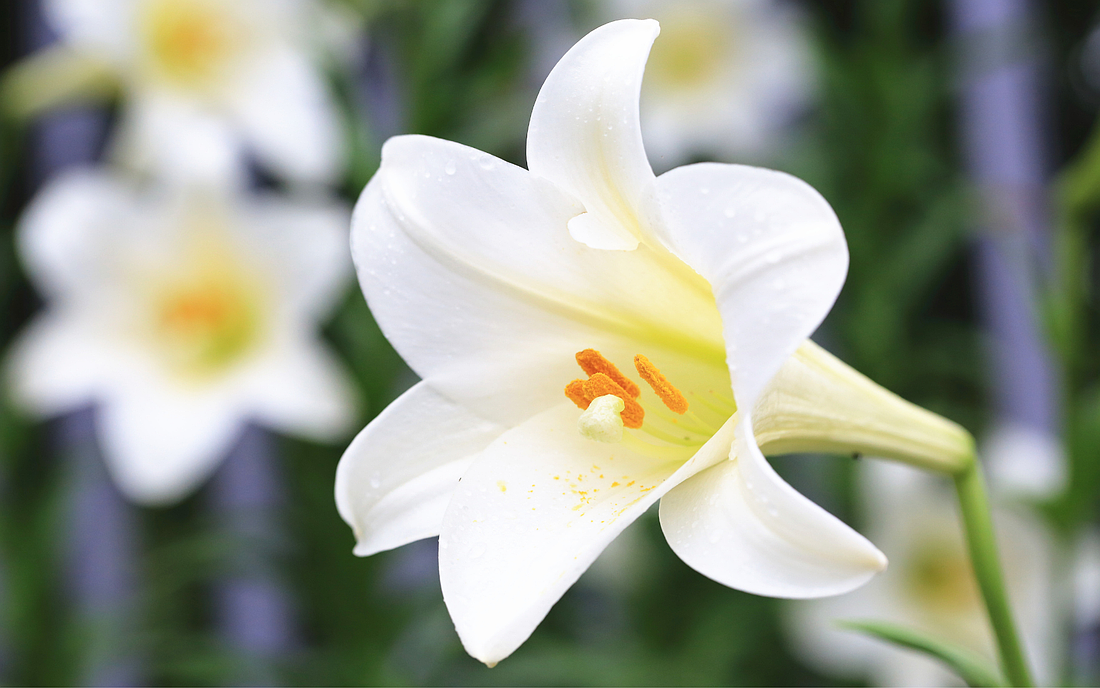
– Easter lilies: The tradition of buying Easter lilies during Holy Week for use as decorations in homes and Churches came into practice in the 1800s. The white flower is a symbol
of purity and new life that heralds the resurrection of Jesus.
– Visiting Churches: The custom of visiting several Churches to say a prayer on Holy Thursday was a tradition that evolved from the practice of making pilgrimages to holy places.
– Sweet breads: In many cultures, Holy Week was traditionally a time for baking sweet breads, cakes and pastries that would be served on Easter Sunday.
– Blessing of Easter baskets: In many cultures, families bring food that will be eaten on Easter Sunday to Church in a basket for a special blessing on Holy Saturday.
– New clothes: From the time of the early Christians, the newly baptized wore white garments made from new linen. In medieval times, it became a tradition for people to wear new clothes on Easter Sunday, symbolizing the “new life” that comes with the Resurrection. In some places it was believed that bad luck would come to those who could afford new Easter clothes but refused to buy them.
– Holy Water blessings: Some families bring holy water containers to Mass on Easter so they can bring home some Easter water, which is blessed during the Easter Vigil, to bless their homes.
Many people and families also participate in the full cycle of Triduum liturgies, from Holy Thursday to Easter Sunday, walking with the Lord through his passion, death and resurrection. However you and your family do to mark Holy Week, intentionally set it apart from the other 51 weeks of the year, because this one is truly special.
Lorene Hanley Duquin is a Catholic author and lecturer who has worked in parishes and on a diocesan level.
The Church needs quality Catholic journalism now more than ever. Please consider supporting this work by signing up for a SUBSCRIPTION (click HERE) or making a DONATION to The Monitor (click HERE). Thank you for your support.
Related Stories
Saturday, December 13, 2025
E-Editions
Events
OSV News – From baking sweet breads to blessing baskets, Holy Week is full of long-standing traditions that transcend cultures and continents. The following list includes a quick overview of family favorites.
– Palm crosses: From medieval times, people have believed that blessed palms formed into the shape of a cross would protect them from danger. The easiest way to make a cross from blessed palms is to cut two pieces of the palm, arrange in the shape of a cross, put a thumbtack in the middle, and attach the cross to a doorway or a bulletin board. Check the Internet for directions on how to braid or weave palms into more decorative crosses.
– Housecleaning: In many cultures the Monday, Tuesday and Wednesday of Holy Week are designated as days for vigorous housecleaning in preparation for Easter. This custom probably evolved from the Jewish custom of ritual cleaning before Passover.
– Coloring eggs: Decorating eggs was a pagan symbol of rebirth at springtime for the Romans, Greeks, Egyptians, Persians and even the Chinese. Christians adopted the colored egg as a symbol of new life which comes with the Resurrection.
– Easter lilies: The tradition of buying Easter lilies during Holy Week for use as decorations in homes and Churches came into practice in the 1800s. The white flower is a symbol
of purity and new life that heralds the resurrection of Jesus.
– Visiting Churches: The custom of visiting several Churches to say a prayer on Holy Thursday was a tradition that evolved from the practice of making pilgrimages to holy places.
– Sweet breads: In many cultures, Holy Week was traditionally a time for baking sweet breads, cakes and pastries that would be served on Easter Sunday.
– Blessing of Easter baskets: In many cultures, families bring food that will be eaten on Easter Sunday to Church in a basket for a special blessing on Holy Saturday.
– New clothes: From the time of the early Christians, the newly baptized wore white garments made from new linen. In medieval times, it became a tradition for people to wear new clothes on Easter Sunday, symbolizing the “new life” that comes with the Resurrection. In some places it was believed that bad luck would come to those who could afford new Easter clothes but refused to buy them.
– Holy Water blessings: Some families bring holy water containers to Mass on Easter so they can bring home some Easter water, which is blessed during the Easter Vigil, to bless their homes.
Many people and families also participate in the full cycle of Triduum liturgies, from Holy Thursday to Easter Sunday, walking with the Lord through his passion, death and resurrection. However you and your family do to mark Holy Week, intentionally set it apart from the other 51 weeks of the year, because this one is truly special.
Lorene Hanley Duquin is a Catholic author and lecturer who has worked in parishes and on a diocesan level.
The Church needs quality Catholic journalism now more than ever. Please consider supporting this work by signing up for a SUBSCRIPTION (click HERE) or making a DONATION to The Monitor (click HERE). Thank you for your support.