


Nuclear arsenals do not provide 'security,' top Vatican cardinal says
November 17, 2021 at 10:13 p.m.
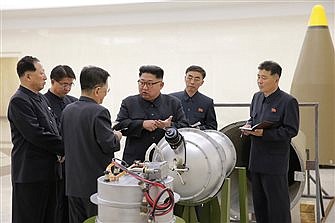
Security "cannot be based on the threat of mutual destruction and fear," Cardinal Pietro Parolin said in a video message played Nov. 17 at an event titled "Nuclear Arms Conversion? It's Worthwhile."
The event was sponsored by the Assisi-based Committee for a Civilization of Love and its "Nuclear for Peace" project.
"The ultimate goal of the total elimination of nuclear weapons is both a challenge and a moral and humanitarian imperative," Cardinal Parolin said. The Catholic Church has pressed for disarmament for decades.
The cardinal insisted that a practical approach to disarmament "should promote reflection on a multilateral and cooperative ethic of peace and security that goes beyond the fear and isolationism that permeate many current debates."
"How many resources are wasted on weapons, especially nuclear weapons, resources that could be used for more significant priorities to ensure the security of people, such as promoting peace and integral human development, fighting poverty, guaranteeing health needs," the cardinal said, quoting Pope Francis' message for World Peace Day 2021.
[[In-content Ad]]
Cardinal Parolin asked Catholics to get involved, pressing their governments to divert money from weapons systems to health care, education and the elimination of poverty.
In the coming months, he said, "the international community, and in particular for the nuclear powers," will have opportunities to demonstrate their understanding of today's challenges, address them and resolve them.
In January, the 10th Review Conference of the Nuclear Non-Proliferation Treaty will take place, he noted. And in March, there will be the first meeting of the parties to the Treaty on the Prohibition of Nuclear Weapons.
The entry into force of the prohibition treaty earlier this year "marked a decisive step forward and is linked to the full implementation of the commitments of the Treaty on the Non-Proliferation of Nuclear Weapons with a view to complete disarmament," he said.
While both treaties represent "a success of multilateral diplomacy," the cardinal said, they would not have been negotiated and signed "without the action of the many civil society associations committed to the continuous promotion of disarmament and peace."
Related Stories
Monday, December 29, 2025



E-Editions

Events
Security "cannot be based on the threat of mutual destruction and fear," Cardinal Pietro Parolin said in a video message played Nov. 17 at an event titled "Nuclear Arms Conversion? It's Worthwhile."
The event was sponsored by the Assisi-based Committee for a Civilization of Love and its "Nuclear for Peace" project.
"The ultimate goal of the total elimination of nuclear weapons is both a challenge and a moral and humanitarian imperative," Cardinal Parolin said. The Catholic Church has pressed for disarmament for decades.
The cardinal insisted that a practical approach to disarmament "should promote reflection on a multilateral and cooperative ethic of peace and security that goes beyond the fear and isolationism that permeate many current debates."
"How many resources are wasted on weapons, especially nuclear weapons, resources that could be used for more significant priorities to ensure the security of people, such as promoting peace and integral human development, fighting poverty, guaranteeing health needs," the cardinal said, quoting Pope Francis' message for World Peace Day 2021.
[[In-content Ad]]
Cardinal Parolin asked Catholics to get involved, pressing their governments to divert money from weapons systems to health care, education and the elimination of poverty.
In the coming months, he said, "the international community, and in particular for the nuclear powers," will have opportunities to demonstrate their understanding of today's challenges, address them and resolve them.
In January, the 10th Review Conference of the Nuclear Non-Proliferation Treaty will take place, he noted. And in March, there will be the first meeting of the parties to the Treaty on the Prohibition of Nuclear Weapons.
The entry into force of the prohibition treaty earlier this year "marked a decisive step forward and is linked to the full implementation of the commitments of the Treaty on the Non-Proliferation of Nuclear Weapons with a view to complete disarmament," he said.
While both treaties represent "a success of multilateral diplomacy," the cardinal said, they would not have been negotiated and signed "without the action of the many civil society associations committed to the continuous promotion of disarmament and peace."