


Survey shows wide support among Americans for COVID-19 worship restrictions
August 8, 2020 at 2:05 p.m.
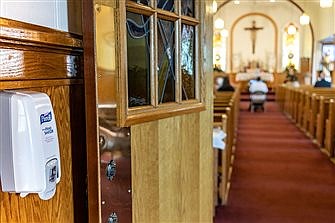
Americans, by a 4-to-1 margin, said houses of worship should be subject to the same social-distancing rules as other organizations. The ratio backing this view was 3-to-1 for Christians, 4-to-1 for Jews, and 9-to-1 for those who are religiously unaffiliated.
Among Republicans and those who lean Republican, the margin was 2-to-1, and among Democrats and those who lean Democratic, the margin was 13-to-1.
The results were issued Aug. 7 by the Pew Research Center in a new report, "Americans Oppose Religious Exemptions From Coronavirus-Related Restrictions."
"On this question, Americans seem to align with two recent Supreme Court orders, which rejected lawsuits claiming that state restrictions on worship violated the First Amendment’s guarantee of religious freedom," the Pew report said.
Among adults who go to Church regularly, 55 percent said their congregation's place of worship is open with modifications, 31 percent said it is closed, and 6 percent said it is open as normal prior to the COVID-19 outbreak. Asked what restrictions are in place, 45 percent said their house of worship required social distancing, 36 percent restricted attendance, 35 percent required masks and 20 percent limited communal singing.
Eight percent of Catholics told Pew their Church was open just as it had been before the pandemic, but 27 percent said theirs was still closed, while 62 percent said theirs was open but with restrictions. By comparison, 40 percent of mainline Protestant, and 41 percent of Black Protestant Churches remained closed, but just 18 percent of evangelical Protestant Churches remained closed.
By a 3-to-2 margin, Catholics felt at least somewhat confident they would not catch or spread COVID-19 by going to Mass, but there is a difference between white and Hispanic Catholics. Among whites, 71 percent said they felt at least somewhat confident about not being infected. But among Hispanics, only 47 percent said they felt confident about not catching or spreading the coronavirus, while 51 percent said were either "not too" or "not at all" confident about keeping the virus at bay if they went to Church.
Clear majorities of Christians of all stripes said they had watched religious services online or on television, according to Pew. Catholics brought up the rear at 63 percent in this category; 32 percent said they had gone to Church in the past month. Twenty-one percent said they had done both, but 26 percent said they had done neither.
Ten percent of Americans, according to Pew, said they'll go to Church more often after the pandemic has abated, while 5 percent said they will go less often. Of Americans who go to Church at least monthly, 16 percent said they will go more often, and 7 percent said they will go less often.
Of those who have been watching religious services online, 19 percent said they will continue to watch online after the pandemic, while 28 percent said they'll watch less often after the outbreak subsides, while 53 percent said their viewing habits will stay the same.
The Pew report said online watchers report great levels of satisfaction, with 91 percent saying they are at least somewhat satisfied by what they've seen. Forty percent reported they watch services from their own house of worship, while 29 percent said they've watched some other congregation's worship services, with the rest saying they've watched both.
Among those watching or attending services, 76 percent said they've heard from the pulpit about the importance of taking steps to limit COVID-19's spread – far outstripping other subjects such as support for Black Lives Matter protests (41 percent); the importance of voting, protesting or being politically engaged (40 percent); and opposition to abortion (35 percent). Opposition to government orders that stopped Churches from holding in-person religious services was a topic heard by 31 percent of survey respondents, while 25 percent said they'd heard opposition to Black Lives Matter protests in a sermon, and 11 percent said they'd heard support for legal abortion.
Since the pandemic, 42 percent of Catholics said they've given "about the same amount" of money to their home parish – split 53 percent for white Catholics and 30 percent for Hispanic Catholics. Five percent of Catholics have given more, and 28 percent have given less, while 22 percent said they have not donated at all – 12 percent were white Catholics and 37 percent Hispanic Catholics.
Catholics told Pew they will go to Church as often as they did before the pandemic. But 9 percent of white Catholics and 12 percent of Hispanic Catholics said they will go more often, while 4 percent of white Catholics and 13 percent of Hispanic Catholics said they will go less frequently.
Eight percent of U.S adults who go to Church at least monthly said their congregation's status is too relaxed, while 21 percent said it is too restrictive.
To help cope with the coronavirus outbreak, 66 percent of Catholics said they prayed at least weekly. Activities done more frequently than prayer included watching TV or movies, spending time outdoors, or talking on the phone or via video with friends or family.
The Pew survey interviewed 10,211 U.S. adults, and said its margin for error is plus or minus 1.5 percentage points. Among the interviewees, 2,228 were Catholics, and included 1,149 white Catholics and 964 Hispanic Catholics. The margin of error for all Catholics was 3.2 percentage points; for white Catholics, 4.0 percentage points; and for Hispanic Catholics, 5.8 percentage points.
Related Stories
Friday, January 02, 2026
E-Editions
Events
Americans, by a 4-to-1 margin, said houses of worship should be subject to the same social-distancing rules as other organizations. The ratio backing this view was 3-to-1 for Christians, 4-to-1 for Jews, and 9-to-1 for those who are religiously unaffiliated.
Among Republicans and those who lean Republican, the margin was 2-to-1, and among Democrats and those who lean Democratic, the margin was 13-to-1.
The results were issued Aug. 7 by the Pew Research Center in a new report, "Americans Oppose Religious Exemptions From Coronavirus-Related Restrictions."
"On this question, Americans seem to align with two recent Supreme Court orders, which rejected lawsuits claiming that state restrictions on worship violated the First Amendment’s guarantee of religious freedom," the Pew report said.
Among adults who go to Church regularly, 55 percent said their congregation's place of worship is open with modifications, 31 percent said it is closed, and 6 percent said it is open as normal prior to the COVID-19 outbreak. Asked what restrictions are in place, 45 percent said their house of worship required social distancing, 36 percent restricted attendance, 35 percent required masks and 20 percent limited communal singing.
Eight percent of Catholics told Pew their Church was open just as it had been before the pandemic, but 27 percent said theirs was still closed, while 62 percent said theirs was open but with restrictions. By comparison, 40 percent of mainline Protestant, and 41 percent of Black Protestant Churches remained closed, but just 18 percent of evangelical Protestant Churches remained closed.
By a 3-to-2 margin, Catholics felt at least somewhat confident they would not catch or spread COVID-19 by going to Mass, but there is a difference between white and Hispanic Catholics. Among whites, 71 percent said they felt at least somewhat confident about not being infected. But among Hispanics, only 47 percent said they felt confident about not catching or spreading the coronavirus, while 51 percent said were either "not too" or "not at all" confident about keeping the virus at bay if they went to Church.
Clear majorities of Christians of all stripes said they had watched religious services online or on television, according to Pew. Catholics brought up the rear at 63 percent in this category; 32 percent said they had gone to Church in the past month. Twenty-one percent said they had done both, but 26 percent said they had done neither.
Ten percent of Americans, according to Pew, said they'll go to Church more often after the pandemic has abated, while 5 percent said they will go less often. Of Americans who go to Church at least monthly, 16 percent said they will go more often, and 7 percent said they will go less often.
Of those who have been watching religious services online, 19 percent said they will continue to watch online after the pandemic, while 28 percent said they'll watch less often after the outbreak subsides, while 53 percent said their viewing habits will stay the same.
The Pew report said online watchers report great levels of satisfaction, with 91 percent saying they are at least somewhat satisfied by what they've seen. Forty percent reported they watch services from their own house of worship, while 29 percent said they've watched some other congregation's worship services, with the rest saying they've watched both.
Among those watching or attending services, 76 percent said they've heard from the pulpit about the importance of taking steps to limit COVID-19's spread – far outstripping other subjects such as support for Black Lives Matter protests (41 percent); the importance of voting, protesting or being politically engaged (40 percent); and opposition to abortion (35 percent). Opposition to government orders that stopped Churches from holding in-person religious services was a topic heard by 31 percent of survey respondents, while 25 percent said they'd heard opposition to Black Lives Matter protests in a sermon, and 11 percent said they'd heard support for legal abortion.
Since the pandemic, 42 percent of Catholics said they've given "about the same amount" of money to their home parish – split 53 percent for white Catholics and 30 percent for Hispanic Catholics. Five percent of Catholics have given more, and 28 percent have given less, while 22 percent said they have not donated at all – 12 percent were white Catholics and 37 percent Hispanic Catholics.
Catholics told Pew they will go to Church as often as they did before the pandemic. But 9 percent of white Catholics and 12 percent of Hispanic Catholics said they will go more often, while 4 percent of white Catholics and 13 percent of Hispanic Catholics said they will go less frequently.
Eight percent of U.S adults who go to Church at least monthly said their congregation's status is too relaxed, while 21 percent said it is too restrictive.
To help cope with the coronavirus outbreak, 66 percent of Catholics said they prayed at least weekly. Activities done more frequently than prayer included watching TV or movies, spending time outdoors, or talking on the phone or via video with friends or family.
The Pew survey interviewed 10,211 U.S. adults, and said its margin for error is plus or minus 1.5 percentage points. Among the interviewees, 2,228 were Catholics, and included 1,149 white Catholics and 964 Hispanic Catholics. The margin of error for all Catholics was 3.2 percentage points; for white Catholics, 4.0 percentage points; and for Hispanic Catholics, 5.8 percentage points.