


Parents get lesson on how to spot drug use in children at talk in Hamilton Square
July 29, 2019 at 12:37 p.m.
By Rose O’Connor | Correspondent
Kevin Meara understands the need to educate youth and their families on the dangers of drugs and drug addiction.
“I did two shifts at Ground Zero; I saw a lot of things you want to forget, and that did not prepare me for June 30, 2008,” he said.
On that day, Meara lost his 24-year-old son, KC, to a drug overdose.
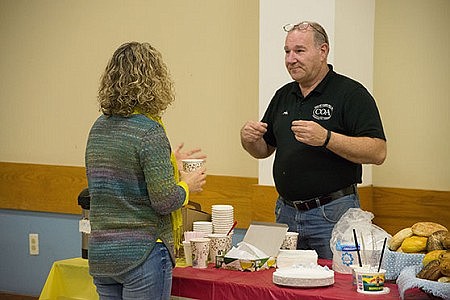
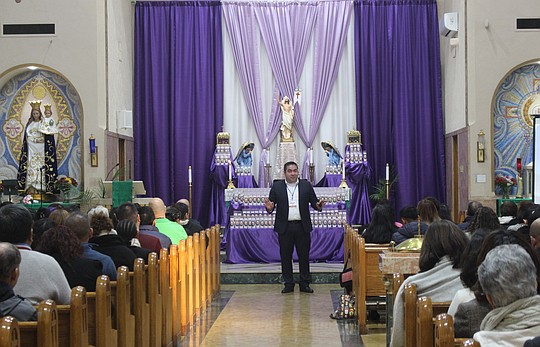
Meara was one of a handful of speakers Feb. 15 at the “Not My Child: an addiction awareness discussion for parents,” hosted by The Gregorian Youth Ministry at St. Gregory the Great Parish, Hamilton Square, and City of Angels NJ, an organization founded by Meara that performs interventions and referrals of addicts to treatment programs. The parents-only workshop offered information about drug abuse prevention and treatment.
“We wanted to provide the opportunity for parents to have the same information that we give our youth,” said Dave Doran, parish director of youth ministry.
After losing his son, Meara found himself in a position where other parents sought answers to questions, so Meara went about finding solutions to questions and established the Hamilton-based City of Angels. Founded in 2009, City of Angels helps those who suffer from alcohol and/or drug addiction and maintains a no-charge policy for its support services.
Meara encouraged the more than 50 parents in attendance to pay close attention to changes in their children’s behavior even prior to the start of puberty. “You have a gut instinct – use it.”
Fellow speaker Bill Giovannetti agreed. Giovannetti is a member of the Knights of Columbus St. Gregory council who is active in Nar-Anon, a group that aids family and friends of addicts.
“It’s about prevention before it happens,” he said. “As parents, you need to get tough; this is an epidemic that’s out of control. But there is hope.”
Parents of two children ages 18 and 21, Jane and Scott (who preferred not to use their last names) know all too well the need for tough love with children who are addicted to drugs.
“One of our sons at age 13 began acting out, was hyperactive and was prescribed medication for ADHD, depression and anxiety,” Scott shared. “Later, we found beer bottles and marijuana but put a ‘Band-Aid’ on it and said he was just experimenting.”
It was during an overdose during a family vacation where Jane and Scott realized he needed more help than they could give.
Following the vacation, they scheduled an intervention, and with tough love and the reality that he was not allowed back home until clean, their son is now sober and an addiction counselor himself.
“There is hope. With tough parenting actions and working together, we got through it,” Jane said. “We learn every day from others and their stories.”
Robbinsville Police Detective Scott Kivet also shared a message of hope – especially when there is a mental health component added to the rehabilitation process.
“In 2010, I realized I was locking up the same people – we need to get these people help,” he recalled.
To do this, the Township of Robbinsville instituted in June 2016 the C.A.R.E. (Community Addiction Recovery Effort) unit, which aids those arrested in the township struggling with opiate/opioid addiction by providing resources and access to treatment at the time of arrest. West Windsor and Ewing are also involved in the effort.
Now when someone is arrested with heroin and narcotics, “We call a recovery coach,” said Kivet, a member of the C.A.R.E. unit.
He warned parents of leaving unused prescription drugs unlocked in the medicine cabinet. “Not all addicts live under bridges, and not all dealers look like bad guys. A lot of times it begins with doctors giving prescription drugs.”
As Detective Kivet remarked, “Kids don’t want to be heroin addicts,” a fact that Kevin Meara echoed.
“Ninety percent of heroin users are self-medicating from some kind of emotional pain,” Meara said.
As Josh, who is in recovery and volunteers at City of Angels, spoke, “I was an alcoholic, and began self-medicating because I could not deal. But I want to tell you there is help and there is hope.”
Parents had the opportunity to ask questions of the presenters and were interested in hearing what was being done in the local communities to curb drugs, especially heroin use. Many were eager to share why they were at the presentation, although they preferred to not use their full names.
“I have a daughter in college, and I’ve heard how they use the prescription drug Adderall [used to treat Attention Deficit/Hyperactivity Disorder] and that concerns me. I want to learn more about these drugs and how to prevent my kids from trying them,” Monica said.
“My son is currently in rehab and had been in a crisis center receiving in-patient care. We are facing the realization he may need a long-term care facility,” a parishioner from St. Gregory the Great said. “So I wanted to come and hear what they had to share.”
“I have a college student, a high school student and a middle school student,” another parishioner remarked. “I want to know what they are facing.”
As does the state of New Jersey.
On Feb. 15, Gov. Chris Christie signed a sweeping piece of legislation that requires insurance companies to provide coverage for up to six months of treatment for substance abuse. He also imposed the nation’s strongest limit on initial opioid drug prescriptions while requiring an educational component alerting the patients and prescribing doctors about the dangers of the drugs.
[[In-content Ad]]
Related Stories
Saturday, December 13, 2025



E-Editions

Events
By Rose O’Connor | Correspondent
Kevin Meara understands the need to educate youth and their families on the dangers of drugs and drug addiction.
“I did two shifts at Ground Zero; I saw a lot of things you want to forget, and that did not prepare me for June 30, 2008,” he said.
On that day, Meara lost his 24-year-old son, KC, to a drug overdose.
Meara was one of a handful of speakers Feb. 15 at the “Not My Child: an addiction awareness discussion for parents,” hosted by The Gregorian Youth Ministry at St. Gregory the Great Parish, Hamilton Square, and City of Angels NJ, an organization founded by Meara that performs interventions and referrals of addicts to treatment programs. The parents-only workshop offered information about drug abuse prevention and treatment.
“We wanted to provide the opportunity for parents to have the same information that we give our youth,” said Dave Doran, parish director of youth ministry.
After losing his son, Meara found himself in a position where other parents sought answers to questions, so Meara went about finding solutions to questions and established the Hamilton-based City of Angels. Founded in 2009, City of Angels helps those who suffer from alcohol and/or drug addiction and maintains a no-charge policy for its support services.
Meara encouraged the more than 50 parents in attendance to pay close attention to changes in their children’s behavior even prior to the start of puberty. “You have a gut instinct – use it.”
Fellow speaker Bill Giovannetti agreed. Giovannetti is a member of the Knights of Columbus St. Gregory council who is active in Nar-Anon, a group that aids family and friends of addicts.
“It’s about prevention before it happens,” he said. “As parents, you need to get tough; this is an epidemic that’s out of control. But there is hope.”
Parents of two children ages 18 and 21, Jane and Scott (who preferred not to use their last names) know all too well the need for tough love with children who are addicted to drugs.
“One of our sons at age 13 began acting out, was hyperactive and was prescribed medication for ADHD, depression and anxiety,” Scott shared. “Later, we found beer bottles and marijuana but put a ‘Band-Aid’ on it and said he was just experimenting.”
It was during an overdose during a family vacation where Jane and Scott realized he needed more help than they could give.
Following the vacation, they scheduled an intervention, and with tough love and the reality that he was not allowed back home until clean, their son is now sober and an addiction counselor himself.
“There is hope. With tough parenting actions and working together, we got through it,” Jane said. “We learn every day from others and their stories.”
Robbinsville Police Detective Scott Kivet also shared a message of hope – especially when there is a mental health component added to the rehabilitation process.
“In 2010, I realized I was locking up the same people – we need to get these people help,” he recalled.
To do this, the Township of Robbinsville instituted in June 2016 the C.A.R.E. (Community Addiction Recovery Effort) unit, which aids those arrested in the township struggling with opiate/opioid addiction by providing resources and access to treatment at the time of arrest. West Windsor and Ewing are also involved in the effort.
Now when someone is arrested with heroin and narcotics, “We call a recovery coach,” said Kivet, a member of the C.A.R.E. unit.
He warned parents of leaving unused prescription drugs unlocked in the medicine cabinet. “Not all addicts live under bridges, and not all dealers look like bad guys. A lot of times it begins with doctors giving prescription drugs.”
As Detective Kivet remarked, “Kids don’t want to be heroin addicts,” a fact that Kevin Meara echoed.
“Ninety percent of heroin users are self-medicating from some kind of emotional pain,” Meara said.
As Josh, who is in recovery and volunteers at City of Angels, spoke, “I was an alcoholic, and began self-medicating because I could not deal. But I want to tell you there is help and there is hope.”
Parents had the opportunity to ask questions of the presenters and were interested in hearing what was being done in the local communities to curb drugs, especially heroin use. Many were eager to share why they were at the presentation, although they preferred to not use their full names.
“I have a daughter in college, and I’ve heard how they use the prescription drug Adderall [used to treat Attention Deficit/Hyperactivity Disorder] and that concerns me. I want to learn more about these drugs and how to prevent my kids from trying them,” Monica said.
“My son is currently in rehab and had been in a crisis center receiving in-patient care. We are facing the realization he may need a long-term care facility,” a parishioner from St. Gregory the Great said. “So I wanted to come and hear what they had to share.”
“I have a college student, a high school student and a middle school student,” another parishioner remarked. “I want to know what they are facing.”
As does the state of New Jersey.
On Feb. 15, Gov. Chris Christie signed a sweeping piece of legislation that requires insurance companies to provide coverage for up to six months of treatment for substance abuse. He also imposed the nation’s strongest limit on initial opioid drug prescriptions while requiring an educational component alerting the patients and prescribing doctors about the dangers of the drugs.
[[In-content Ad]]