


New director for Behavioral Health Services
July 29, 2019 at 12:37 p.m.
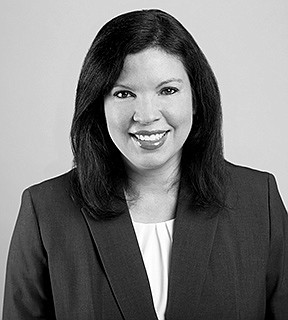
Dr. Adriana Torres-O’Connor has a clear and concise vision of what she wants to bring to her new post as director for Catholic Charities, Diocese of Trenton’s Behavioral Health Services.
It’s simply her goal to make behavioral health treatment more readily available for people “who need it, but either do not know how to access it or are apprehensive to do so because of the stigma that continues to be associated with behavioral health services.”
“Behavioral health treatment is effective and is an essential part of a person’s healthcare services, if they are in need. Behavioral health treatment can help return a person to the path where he/she can be their best self,” she said.
Dr. Torres-O’Connor arrived to Catholic Charities’ Behavioral Health Services based in Delaware House, Westampton, in March. She is responsible for overseeing the agency’s largest service area provider which is comprised of recovery and wellness programs in 11 locations throughout Mercer and Burlington counties, with more than 22 programs and a staff of more than “350 highly qualified and dedicated behavioral health clinical and para professionals as well as administrative staff.”
“As a premiere provider of behavioral health and addiction services, Catholic Charities provides high quality and compassionate care to consumers and families and I’m looking forward to integrating my knowledge and experiences with this dynamic team of professionals,” she said.
Reflecting on the mission of Behavioral Health Services, Dr. Torres-O’Connor then noted how Catholic Charities assisted more than 7,500 people in 2015. While people seek services for a variety of reasons, she said, “the universal underlying theme for any referral is that someone’s current experience in life is no longer working for them.”
Dr. Torres-O’Connor said the World Health Organization has identified behavioral health as a priority worldwide due to economic, health and social impact untreated behavioral health issues can have on families, societies and the world at-large. The WHO has indicated that there has been almost a 50 percent worldwide increase in the behavioral health disorders of depression and anxiety from 1990 through 2013, and that the National Institute of Mental Health estimates that one in five Americans experiences a diagnosable behavioral health disorder, but far fewer seek treatment by a behavioral health provider.
“Consequently, many who need behavioral health treatment do not get the treatment they need nor do they seek help from their primary care or medical specialty doctor who is often not trained or experienced to provide the type of specialty care needed by an individual experiencing behavioral health or addiction issues,” she said.
A resident of Westmont, Dr. Torres-O’Connor’s previous work experience included working as program director at House of Hope CDC, which offers care coordination and therapeutic support services to individuals with mental health and addiction disorders and their families. She was director of clinical services for Crossroads Programs, which provides residential and therapeutic support services to at-risk and homeless youth to help them lead healthy and productive lives.
Dr. Torres-O’Connor’s received her bachelor’s degree from Douglass College of Rutgers University, and her master of social work degree from New York University, and her doctorate of psychology in clinical and school psychology and a master of business administration from Widener University, Chester, Pa.
Marlene Lao-Collins, Catholic Charities’ executive director, noted that Dr. Torres-O’Connor was chosen to lead Behavioral Health Service through the imminent transition to a fee-for-service system of care based on her impressive experience and credentials.
“Her clinical knowledge and experience in the Pennsylvania transition from cost-reimbursement to fee-for-service is a great match for what Catholic Charities needs in order to meet the needs of our clients as well as the funding challenges ahead.”
Lao-Collins noted that Dr. Torres-O’Connor will report to Harry Postel, associate executive director of operations and now former service area director for Behavioral Health Services.
To learn more about Behavioral Health Services and how they can be of assistance, call the Behavioral Health Services Access Center at 1-800-360-7711.
[[In-content Ad]]Related Stories
Wednesday, December 24, 2025





E-Editions

Events
Dr. Adriana Torres-O’Connor has a clear and concise vision of what she wants to bring to her new post as director for Catholic Charities, Diocese of Trenton’s Behavioral Health Services.
It’s simply her goal to make behavioral health treatment more readily available for people “who need it, but either do not know how to access it or are apprehensive to do so because of the stigma that continues to be associated with behavioral health services.”
“Behavioral health treatment is effective and is an essential part of a person’s healthcare services, if they are in need. Behavioral health treatment can help return a person to the path where he/she can be their best self,” she said.
Dr. Torres-O’Connor arrived to Catholic Charities’ Behavioral Health Services based in Delaware House, Westampton, in March. She is responsible for overseeing the agency’s largest service area provider which is comprised of recovery and wellness programs in 11 locations throughout Mercer and Burlington counties, with more than 22 programs and a staff of more than “350 highly qualified and dedicated behavioral health clinical and para professionals as well as administrative staff.”
“As a premiere provider of behavioral health and addiction services, Catholic Charities provides high quality and compassionate care to consumers and families and I’m looking forward to integrating my knowledge and experiences with this dynamic team of professionals,” she said.
Reflecting on the mission of Behavioral Health Services, Dr. Torres-O’Connor then noted how Catholic Charities assisted more than 7,500 people in 2015. While people seek services for a variety of reasons, she said, “the universal underlying theme for any referral is that someone’s current experience in life is no longer working for them.”
Dr. Torres-O’Connor said the World Health Organization has identified behavioral health as a priority worldwide due to economic, health and social impact untreated behavioral health issues can have on families, societies and the world at-large. The WHO has indicated that there has been almost a 50 percent worldwide increase in the behavioral health disorders of depression and anxiety from 1990 through 2013, and that the National Institute of Mental Health estimates that one in five Americans experiences a diagnosable behavioral health disorder, but far fewer seek treatment by a behavioral health provider.
“Consequently, many who need behavioral health treatment do not get the treatment they need nor do they seek help from their primary care or medical specialty doctor who is often not trained or experienced to provide the type of specialty care needed by an individual experiencing behavioral health or addiction issues,” she said.
A resident of Westmont, Dr. Torres-O’Connor’s previous work experience included working as program director at House of Hope CDC, which offers care coordination and therapeutic support services to individuals with mental health and addiction disorders and their families. She was director of clinical services for Crossroads Programs, which provides residential and therapeutic support services to at-risk and homeless youth to help them lead healthy and productive lives.
Dr. Torres-O’Connor’s received her bachelor’s degree from Douglass College of Rutgers University, and her master of social work degree from New York University, and her doctorate of psychology in clinical and school psychology and a master of business administration from Widener University, Chester, Pa.
Marlene Lao-Collins, Catholic Charities’ executive director, noted that Dr. Torres-O’Connor was chosen to lead Behavioral Health Service through the imminent transition to a fee-for-service system of care based on her impressive experience and credentials.
“Her clinical knowledge and experience in the Pennsylvania transition from cost-reimbursement to fee-for-service is a great match for what Catholic Charities needs in order to meet the needs of our clients as well as the funding challenges ahead.”
Lao-Collins noted that Dr. Torres-O’Connor will report to Harry Postel, associate executive director of operations and now former service area director for Behavioral Health Services.
To learn more about Behavioral Health Services and how they can be of assistance, call the Behavioral Health Services Access Center at 1-800-360-7711.
[[In-content Ad]]