


Doctors, patients should 'do no harm' with covenant of medical care
July 29, 2019 at 12:37 p.m.
By Father Vincent Euk
The Hippocratic Oath was composed around the fourth century. While it is under 400 words, the oath represents the beginnings of scientific medicine as we know it today. It brought an end to superstitious beliefs regarding the causes and cures of diseases.
The oath is of a covenantal nature comprising a pledge between a knowledgeable physician, guided by a love for mankind, and a suffering patient. Its eight paragraphs are characterized by Primum non nocere, or “Do no harm.” The practice of the art was solely to benefit the patient.
Hippocrates affirmed that physicians must respect human life and nature. It reflects the natural law reasoning that exemplifies the best impulses of our human nature. This secular and traditional Hippocratic Oath states, “I will give no deadly medicine to anyone if asked, nor suggest any such counsel; and in like manner I would not give to a woman a pessary to produce abortion. With purity and with holiness I will pass my life and practice my Art.”
In the turn of events starting most prominently with Nazi Germany, through legislation devoid of ethics and reconstructing medicine with Social Darwinism, many physicians had become killers. Following World War II there was a resurgence of this quest for population control through artificial birth control.
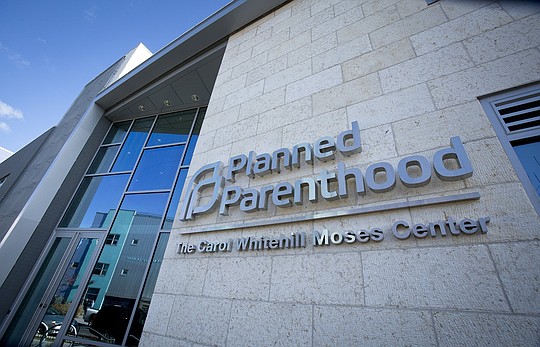
With the help of Planned Parenthood, unethical experiments and deception enabled many researchers to disregard the dignity of early human life. Through medical manipulation and crafty lawyers, the most instinctively abhorrent practice of elective abortions became law.
In 1974 the National Commission for the Protection of Human Subjects was established by the United States Congress. It mandated ethical principles to govern human research and other aspects of medicine. These principles replaced respect for person, which implied an innate human dignity with autonomy, and gave individual patients a self-generated omnipotence and independence in dealing with their physicians.
In reality, when a sick patient presents himself to a physician, he will never be as knowledgeable about his illness as a physician who has decades of experience and study. The illness of an autonomous patient can increase emotional and social constraints which can impede the physician’s care.
Medical care is becoming more and more technical. This has a tendency toward becoming very depersonalized by dividing the diseased body from the sick person, and can feed a desire to elevate individual autonomy to an irrational degree.
Some of the demands of the patient, such as abortion, euthanasia and physician-assisted suicide, may put the physician into a difficult situation depending upon how the laws of the state are manipulated by the anti-life special interest groups, such as Planned Parenthood or Death with Dignity and the like. The Commission also disparaged the physician-patient relationship as paternalistic, undermining the covenantal aspect of the Hippocratic ethic.
Medicine has become more complex and the laity find it extremely difficult to understand. With commercials for drugs in the media, and with much information available on the Internet, the laity are becoming more and more demanding for what they feel they should have, whether rightly or wrongly, in their medical care. This relativistic medicine can replace the healing trust imparted to the more informed physician with antagonism.
With the rising costs of medical care physicians are being stifled by what diagnostic treatments they can use by insurance companies. This opens the door for euthanasia practices, especially since the real difficult task of killing the unborn has already been accomplished.
Hippocrates was a real genius in seeing the connection between abortion and euthanasia, however, he was wrong in its order of progression. The abuses of modern science in its quest to rid some of us from death and its desire to control the population benefit whom Pope Leo XIII termed “the rich.”
Father Euk is pastor in St. Veronica Parish, Howell.
[[In-content Ad]]Related Stories
Saturday, December 20, 2025




E-Editions
Events
By Father Vincent Euk
The Hippocratic Oath was composed around the fourth century. While it is under 400 words, the oath represents the beginnings of scientific medicine as we know it today. It brought an end to superstitious beliefs regarding the causes and cures of diseases.
The oath is of a covenantal nature comprising a pledge between a knowledgeable physician, guided by a love for mankind, and a suffering patient. Its eight paragraphs are characterized by Primum non nocere, or “Do no harm.” The practice of the art was solely to benefit the patient.
Hippocrates affirmed that physicians must respect human life and nature. It reflects the natural law reasoning that exemplifies the best impulses of our human nature. This secular and traditional Hippocratic Oath states, “I will give no deadly medicine to anyone if asked, nor suggest any such counsel; and in like manner I would not give to a woman a pessary to produce abortion. With purity and with holiness I will pass my life and practice my Art.”
In the turn of events starting most prominently with Nazi Germany, through legislation devoid of ethics and reconstructing medicine with Social Darwinism, many physicians had become killers. Following World War II there was a resurgence of this quest for population control through artificial birth control.
With the help of Planned Parenthood, unethical experiments and deception enabled many researchers to disregard the dignity of early human life. Through medical manipulation and crafty lawyers, the most instinctively abhorrent practice of elective abortions became law.
In 1974 the National Commission for the Protection of Human Subjects was established by the United States Congress. It mandated ethical principles to govern human research and other aspects of medicine. These principles replaced respect for person, which implied an innate human dignity with autonomy, and gave individual patients a self-generated omnipotence and independence in dealing with their physicians.
In reality, when a sick patient presents himself to a physician, he will never be as knowledgeable about his illness as a physician who has decades of experience and study. The illness of an autonomous patient can increase emotional and social constraints which can impede the physician’s care.
Medical care is becoming more and more technical. This has a tendency toward becoming very depersonalized by dividing the diseased body from the sick person, and can feed a desire to elevate individual autonomy to an irrational degree.
Some of the demands of the patient, such as abortion, euthanasia and physician-assisted suicide, may put the physician into a difficult situation depending upon how the laws of the state are manipulated by the anti-life special interest groups, such as Planned Parenthood or Death with Dignity and the like. The Commission also disparaged the physician-patient relationship as paternalistic, undermining the covenantal aspect of the Hippocratic ethic.
Medicine has become more complex and the laity find it extremely difficult to understand. With commercials for drugs in the media, and with much information available on the Internet, the laity are becoming more and more demanding for what they feel they should have, whether rightly or wrongly, in their medical care. This relativistic medicine can replace the healing trust imparted to the more informed physician with antagonism.
With the rising costs of medical care physicians are being stifled by what diagnostic treatments they can use by insurance companies. This opens the door for euthanasia practices, especially since the real difficult task of killing the unborn has already been accomplished.
Hippocrates was a real genius in seeing the connection between abortion and euthanasia, however, he was wrong in its order of progression. The abuses of modern science in its quest to rid some of us from death and its desire to control the population benefit whom Pope Leo XIII termed “the rich.”
Father Euk is pastor in St. Veronica Parish, Howell.
[[In-content Ad]]