
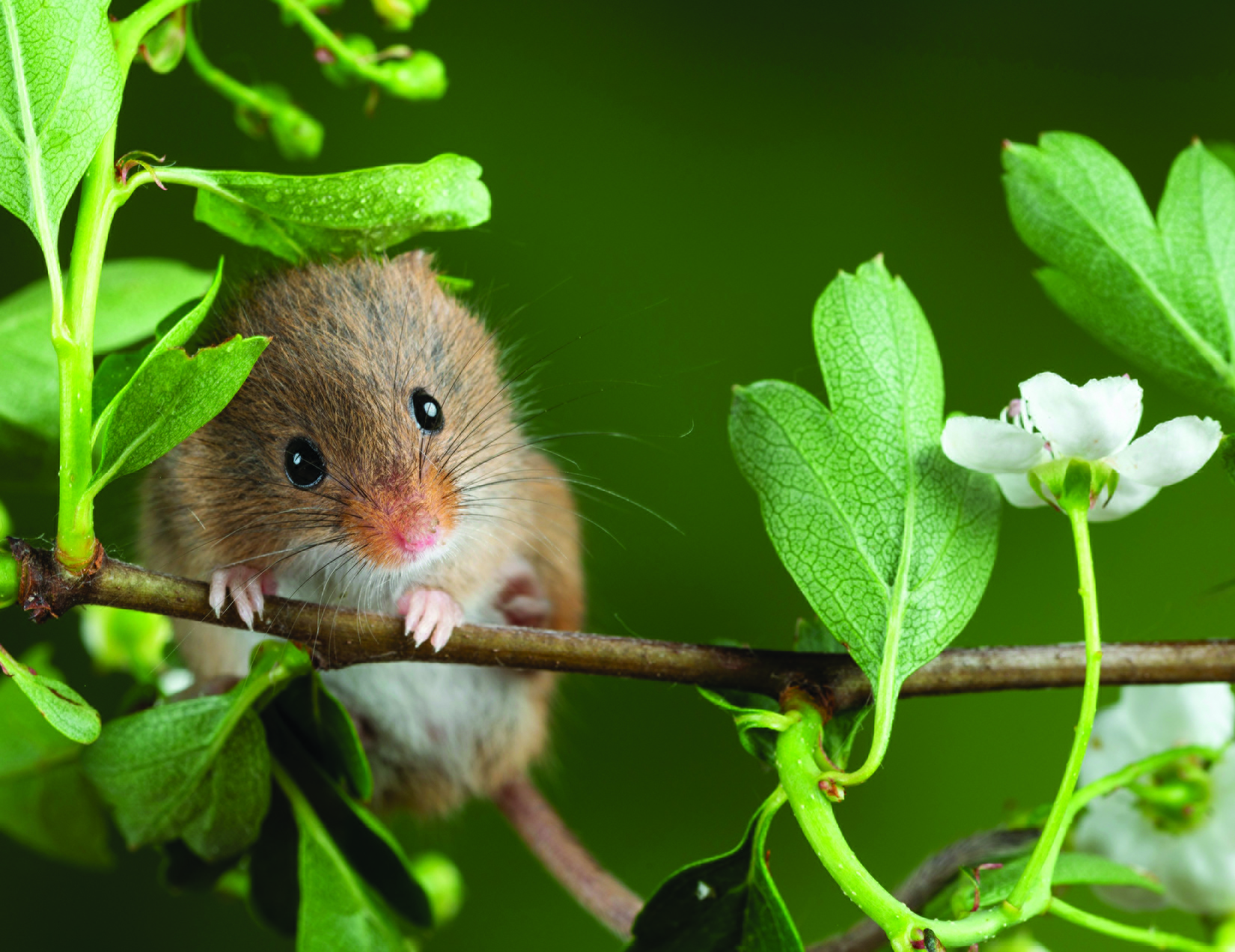
Photo at top is from unsplash.com
By Mary Morrell
When I was young, my dad would take me to Montgomery Ward, the mail order catalogue and department store chain, every Saturday. After spending some time shopping, we would go the cafeteria where we would slide our trays down the line and be sure to pick up the fluted glass filled with homemade chocolate pudding and a dollop of whipped cream.
While we were eating, he would ask me to carefully observe the people around us, their clothes, their shoes, their mannerisms, their choice of food, how they ate and how they spoke. He stressed that I should pay attention to the little things, because they could sometimes tell you the biggest things about a person. Then he would pick out one person, and we would share with each other our “version” of who that person might be, based on our observations.
The importance of the game, he said, was not simply to be right about what we see, which is viewed through the lens of our own experiences. The importance was learning to observe with attention, not only with your eyes, but your heart and mind, as well.
I have carried the memories and the lessons of those times throughout my life and have come to understand the thought that “human behavior is eloquent.”
But over the years, I have also learned that there is nothing more eloquent than nature, which may explain, in part, my need to save any of God’s creatures that I come across who are ill or broken – caterpillars making their way across a busy parking lot, a baby mole, abandoned birds or turtles trying to cross the road.
Yesterday, there was a mouse sitting in the middle of my kitchen floor. My husband called me to come and take care of my little friend. The mouse was young and obviously sick or injured. He tried to run but could only manage a little waddle. I picked him up by the tail and put him in a box. I planned to put him in the field near our house, but worried about his condition. As I pondered things, I watched his little body shudder so I stroked his tiny head. I watched him curl up in the corner and close his eyes. Then he died. Then I cried.
At that moment, this tiny creature was not one of the vermin that finds its way into any space with food and snack in our kitchen cabinets. It was just a mouse, a creature of God, doing what we do instinctively – try to feed ourselves, protect ourselves, find a comfortable place to live or rest.
When we spend time being attentive to the wonders of creation, our observations take on a deeper meaning, and we may find ourselves in agreement with Thomas Merton, who wrote: “I want not only to observe but to know living things, and this implies a dimension of primordial familiarity which is simple and primitive and religious and poor. This is the reality I need, the vestige of God in His creatures. And the light of God in my own soul.”
Headline quote from “When the Trees Say Nothing” by Thomas Merton
Mary Morrell is managing editor of The Catholic Spirit, the Metuchen Diocesan newspaper.