
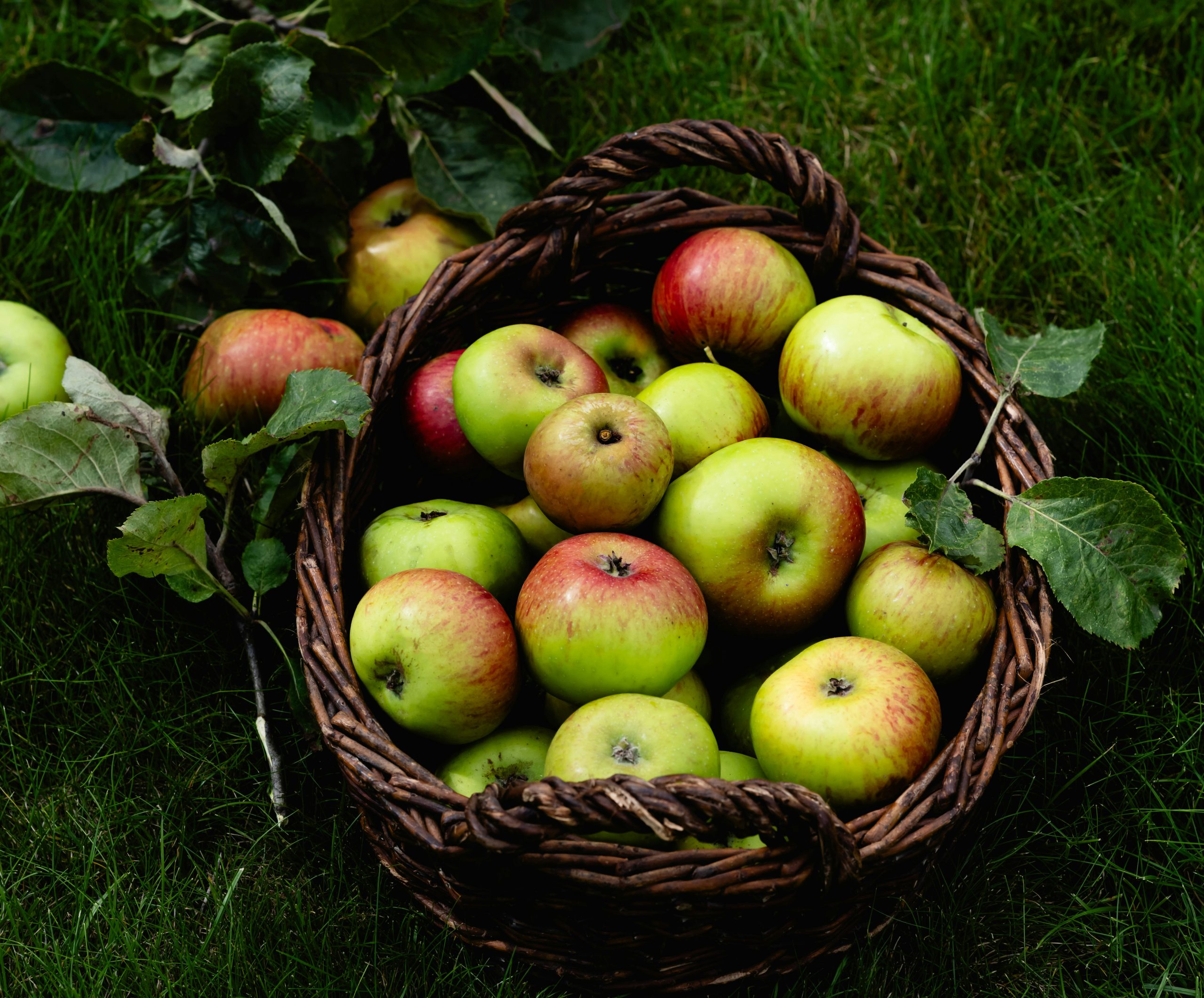
Top photo by Monika Grabowski | Unsplash.com
By Mary Morrell
As I age, I find that a common concern among my peers is memory – how well, or how poorly, ours is working, and what that will mean for us when it comes to our memories, especially of those we love or those who have been an important influence in our lives.
For me, as a writer, many of my memories are archived already so while I may lose some of my memories, my family will have many of them safe between the pages of little books I’ve written over the years.
I have long encouraged others to take up the pen, or sit down at the computer, and write about their memories. I also encourage them to carry a small notebook and be ready to make notes about the things that touch them or teach them or raise questions – no matter where they are.
We may often find that the most unexpected moments will trigger the most meaningful memories – like when I was attending the first annual memorial lecture for my friend and scholar, Father Lawrence Frizzell, a long-time professor at Seton Hall and director of the Institute for Judeo-Christian Studies. The rabbi who served as moderator aptly recalled Father Frizzell as “small in stature, a giant in humility.”
One of the speakers, a monsignor who had known and worked with Father for many years, shared a memory of him which, very unexpectedly, brought me to tears. He spoke of watching Father Frizzell carrying a basket and gathering apples from trees on the campus grounds. He would then take the apples to others in nearby apartments who had come from another country and were in need.
In that shared memory, I realized that all my most meaningful memories of Father Frizzell did not stem from the fact that he was brilliant, that he read and spoke multiple languages, that he was undeterred by challenges when it came to his passion for building bridges between people of all faiths, but that he was always bringing us apples because we were in need, as students and as human beings.
Perhaps that is what memory ultimately distills – not the long resume of accomplishments, not the titles or accolades, but the small, generous gestures that reveal who someone truly was.
We worry, understandably, about what we might forget as the years go on. Names slip. Dates blur. Entire chapters can grow dim around the edges. But the heart has its own way of keeping record. It holds onto the moments that mattered most, often without our consent or planning – a kindness offered quietly, a word spoken at just the right time, a simple act, like gathering apples, that somehow comes to stand for a whole life.
There is something reassuring in knowing that the essence of the people we’ve loved is not so easily lost. It lives in us – in the way we think, the way we respond to others, the way we carry forward what they taught us, often without even realizing it.
Perhaps that is the deeper invitation. Not just to record our memories, but to live in such a way that we are creating the kind of memories worth keeping. To be mindful that the smallest acts of care, the quiet habits of generosity, may one day be the very stories someone tells about us.
If Father Frizzell had been at the lecture to hear all the scholarly tributes offered in his honor, he would have appreciated them, but I suspect he would have been most pleased to know that what endured, what truly stayed with us, was not only what he knew, but how he lived, basket in hand, thinking of others.
And so, as we face life, perhaps the question is not only what we will remember, but what will be remembered about us.
Mary Morrell is editor-in-chief of The Catholic Spirit, the Metuchen Diocesan newspaper.