
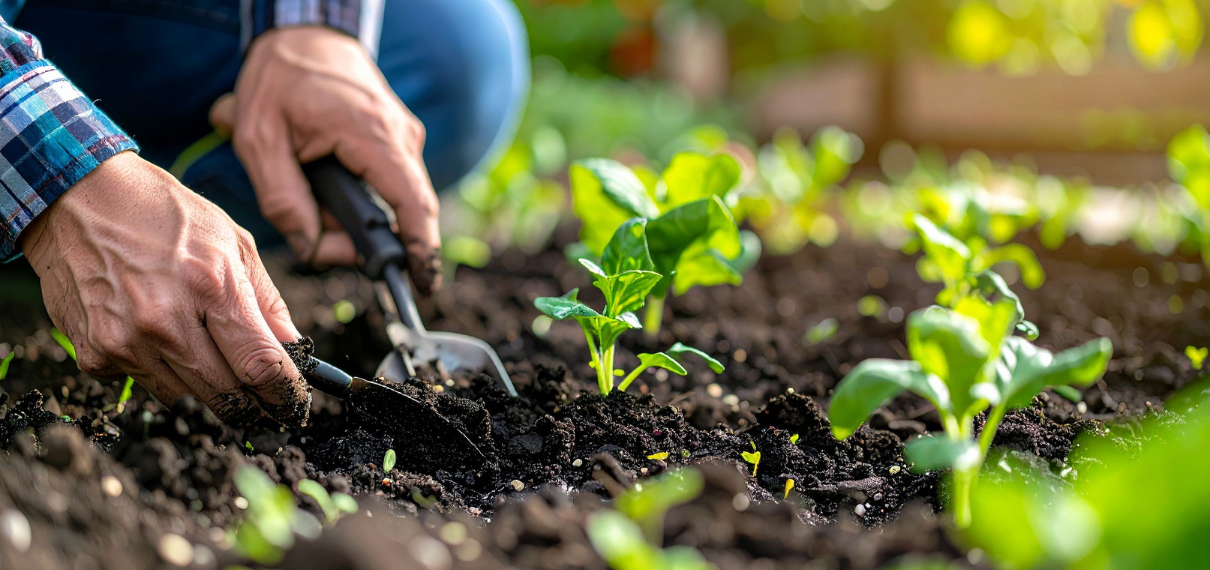
Top photo credit: Canva image
Gospel reflection for July 12, 2026, 15th Sunday in Ordinary Time
Over the past 10 years, many parishes in our Diocese have developed summer catechetical programs, transforming the way in which we form disciples. Jesus tells the parable of the seeds that fall on different types of soil, which points us to the challenges in catechesis. It is essential that we continue to sow the seeds of religious faith and values for each generation, confident that the seed takes root and blossoms forth in its own time. Weekly Mass attendance, regular prayer times and the example of a life well lived all plant seeds. So, too, does ignorance, apathy and hostility. We do reap what we sow.
We have opened now that section of St. Matthew’s Gospel where Jesus tells what are called “the Kingdom of Heaven parables.” In these parables Jesus uses agrarian imagery that would have been familiar to his Galilean audience. We hear Jesus liken the Kingdom of Heaven to a farmer who went out and sowed seeds by randomly spewing them about, paying little heed to where they landed. Some of the seeds were quickly eaten by birds and others, though they sprouted, had little nutrition and withered quickly. Those that really took root, however, bore a greater harvest than could ever have been expected.
The seed in the parable represents the Word of God and the soil is the hearts of those to whom this word is preached. This is the standard interpretation of the text, indeed it is the one that Jesus himself uses to explain the text.
But Jesus never makes clear who the farmer is.
Just prior to this parable section, Matthew presents the discourse where Jesus instructs his disciples as to the meaning of discipleship. He taught them how to conduct themselves on their missionary journeys. Of course, throughout his ministry Jesus did more than teach and perform miracles and other mighty deeds. Through his daily life experience – his encounters with ordinary people in the marketplace, his interactions with the men at the synagogue, and his various discourses with the Pharisees and Sadducees, Jesus provided the example of discipleship to those who followed him. Each of these moments were also opportunities for evangelization. Jesus attracted followers not just by his teaching with authority and his mighty deeds, but also by his demeanor in relationship with others.
Looking back at the parable, then, and pondering the question as to whom Jesus is referring when he speaks of the farmer who sows the seed, it would seem that each and every one of us is this farmer, responsible for planting the seeds of the Kingdom of Heaven throughout our daily living out the Gospel message.
While many of us think that bearing fruit and doing the work of evangelization belongs to the religious professionals: bishops, priests, deacons, Brothers, Sisters, Nuns, catechists and other forms of ecclesial ministry, the parables that Jesus uses to speak of the Kingdom are not directed exclusively to those whom he will call apostles. His audience – the little ones and those who struggled living out the daily responsibility of following the Mosaic Law – was being invited into discipleship and to make other disciples.
The responsibility for living the Gospel belongs to each of us by virtue of our Baptism. As we enter the workplace, or to school, in our social interactions and within our families, we are called to be this farmer – sowing the seeds of the Gospel of the Kingdom of Heaven.
It is not for us to judge the kind of soil – that is the hearts or minds of those whom we encounter – upon which the seed falls. We simply plant seeds, confident that even the most inhospitable soil is capable of bearing a little fruit. Just as the farmer in the parable did not make calculated judgments about where to throw the seed, we ought not to merely live and to preach the Gospel to those who want to listen, while holding back in the face of hostility or confusion.
Each of us will someday be called to present to God the fruits of the harvest which the work of lives – has produced. We have the opportunity to plant many seeds as we live the vocation of a Christian. May we all appear before God with a bountiful harvest of souls.
Father Garry Koch is pastor of St. Benedict Parish, Holmdel.